
“Our new collection has arrived” announces an event inside the shop. It does not yet tell the customer why the collection deserves attention. An editorial launch starts with an idea the reader can recognise: a relationship between shapes, a documented making detail or a new way to use a familiar type of object.
Choose that idea before writing the headline. Then check whether the selected pieces genuinely demonstrate it. The story should emerge from the collection and its confirmed information, rather than forcing every product to support an attractive phrase.
At a glance
- Choose one editorial idea that the products can demonstrate.
- Keep the story connected to practical buying information.
- Use the email to open the subject, then link to the complete edit.
In this guide
- Find the angle in the objects
- Give the article a clear reading path
- A hypothetical launch concept
- Let the email do one useful job
- Check the complete path before launch
- Keep the story useful after the announcement
Find the angle in the objects
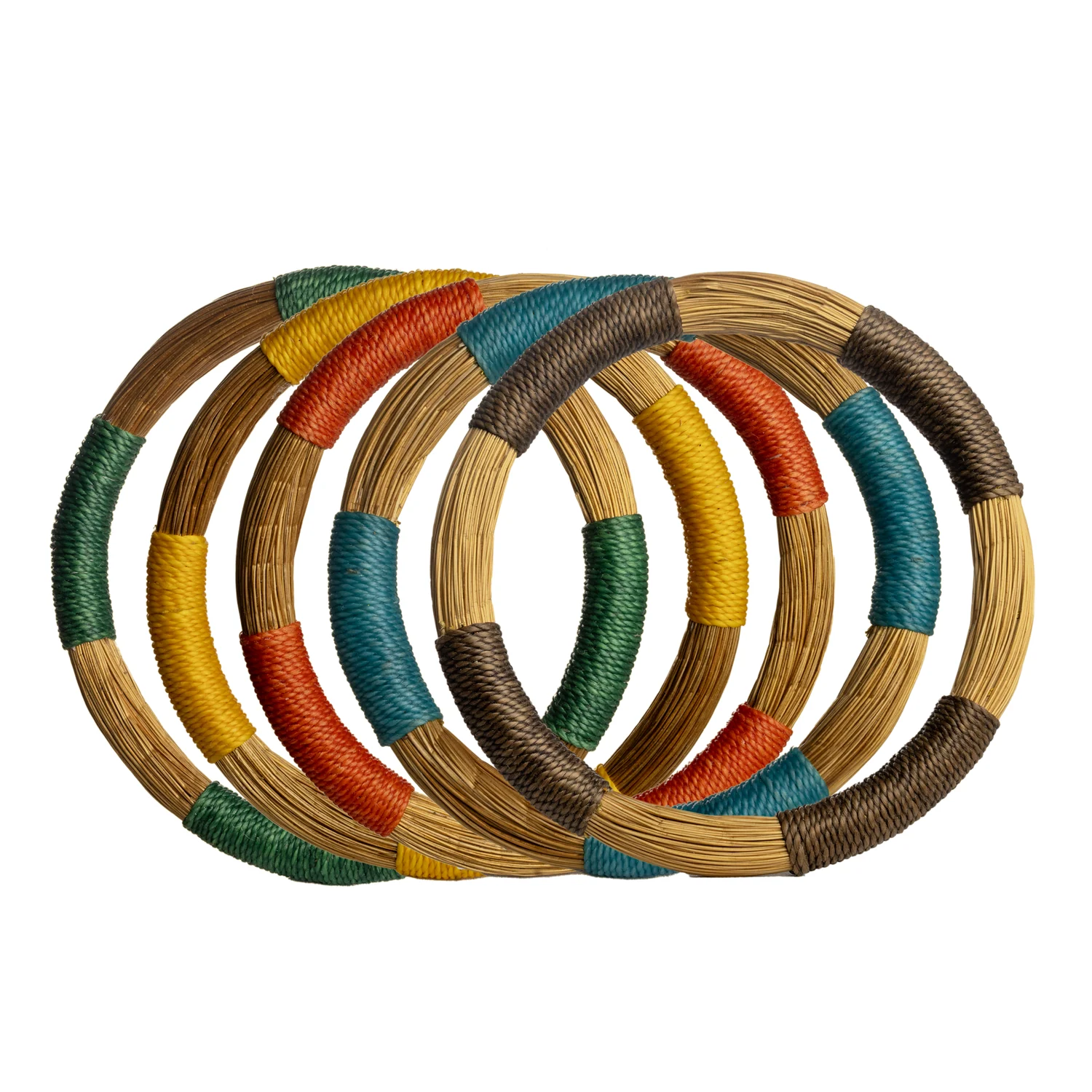
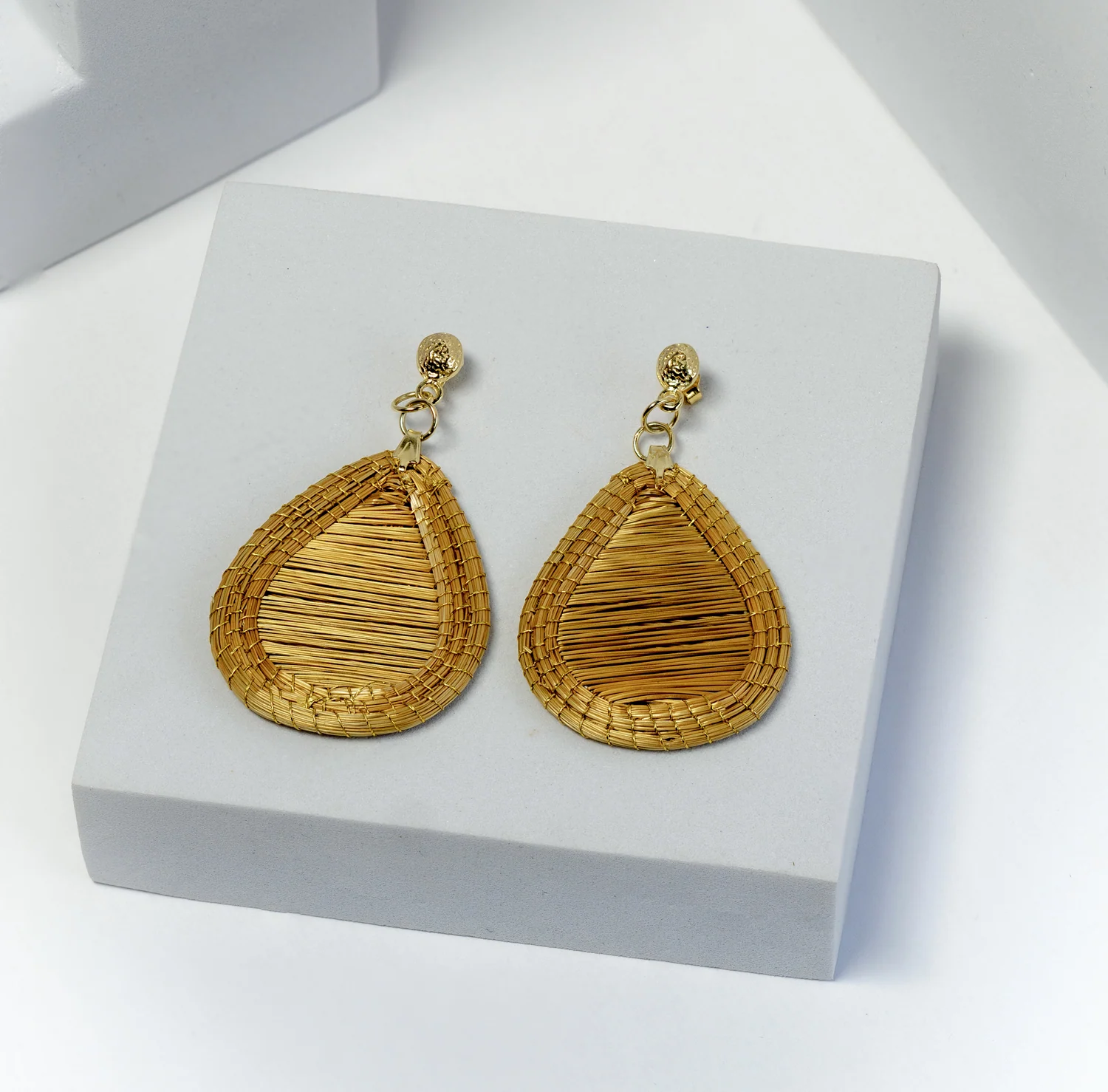
Lay out the product photographs and information sheets. Look for a specific connection you can show: repeated lines, a contrast between open and solid forms or the way a particular construction changes the outline. Keep any making or origin claim tied to the relevant verified product information.
Avoid using an imagined artisan biography to create emotional depth. If a maker’s account is available and approved for use, attribute it accurately. If it is not, the visible design can still support an interesting story. Precision gives the reader something to notice the next time they encounter the object.
Give the article a clear reading path
Open with the editorial idea in ordinary language. Develop it through two or three concrete observations. Add a practical section that answers the questions likely to follow: dimensions, options, care or how the pieces relate to a setting. End with a clear route to the collection and information about what the shop can currently offer.
The article should remain useful if the reader does not buy immediately. It can teach them how to compare proportions or recognise a construction detail without presenting an unsupported lesson about an entire culture. Keep the scope as specific as the evidence.
A hypothetical launch concept
Imagine a shop preparing an edit of pieces with clearly visible repeated forms. Its working article title is “A closer look at repeated lines”. The story describes how repetition changes the surface and outline of the selected objects, using the actual photographs and confirmed information for each piece.
A short email for that hypothetical edit could read as follows:
Subject: A closer look at repeated lines
Some objects reveal their character when you slow down and look at the details. Our new edit explores repeated forms, with a short journal story about the shapes and proportions that connect the selection. Read the story, compare the pieces and find the dimensions and care information on their product pages.
This example is an editorial demonstration, not a claim that a particular Toodobem range is available. Before using an equivalent message, the shop would check that its chosen products, article and product pages actually support every sentence.
Let the email do one useful job
The email does not need to reproduce the entire article. Give the reader the idea, a reason to explore it and a clearly described link. If there are several destinations, distinguish them by purpose, such as reading the story or viewing the edit, rather than repeating a vague “click here”.
Keep the subject aligned with the content. Do not imply a discount, exclusive access or limited availability unless those claims are accurate and authorised. Avoid urgency created only to make the message sound more compelling. The collection’s particular qualities should carry the invitation.
Check the complete path before launch
| Launch element | Editorial check | Operational check |
|---|---|---|
| Headline | The article delivers the promised idea | No unsupported availability claim |
| Product examples | Facts match the selected pieces | Correct variants and links |
| Photography | Images explain the point being made | Permissions and current files confirmed |
| One clear reason to read | Destination pages are ready | |
| Shop team | Colleagues know the story’s factual core | They can locate the relevant products |
Keep the story useful after the announcement
Review the article when the assortment changes. Remove or update references that would mislead a reader about a discontinued variant, while preserving the useful editorial explanation. A launch article can become a lasting piece of the journal if its facts and links remain maintained.
Explore Toodobem’s collections for the product context and the artisan information for documented background. The finished launch should make customers better informed about the edit, with an invitation that feels worthwhile because it has something specific to say.