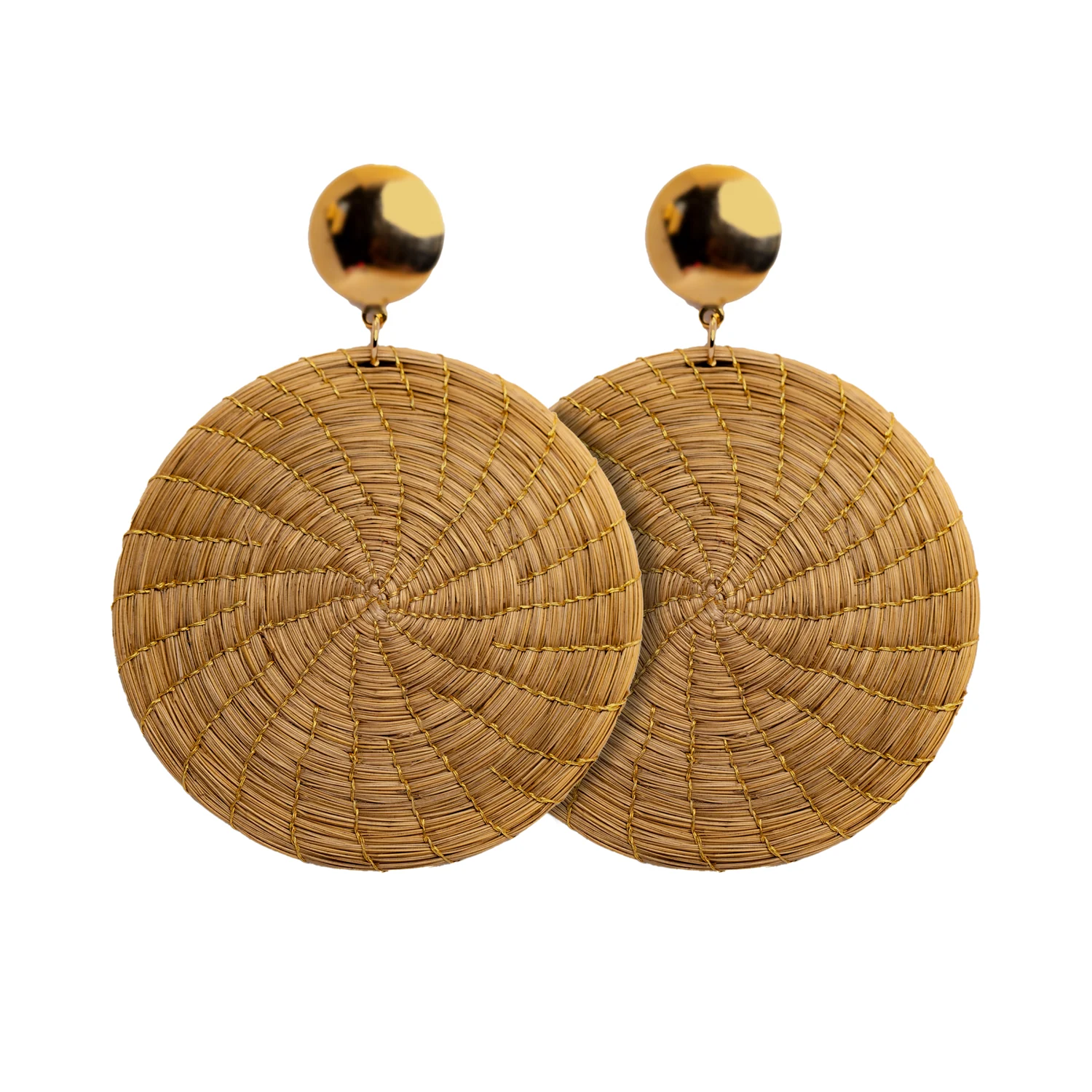
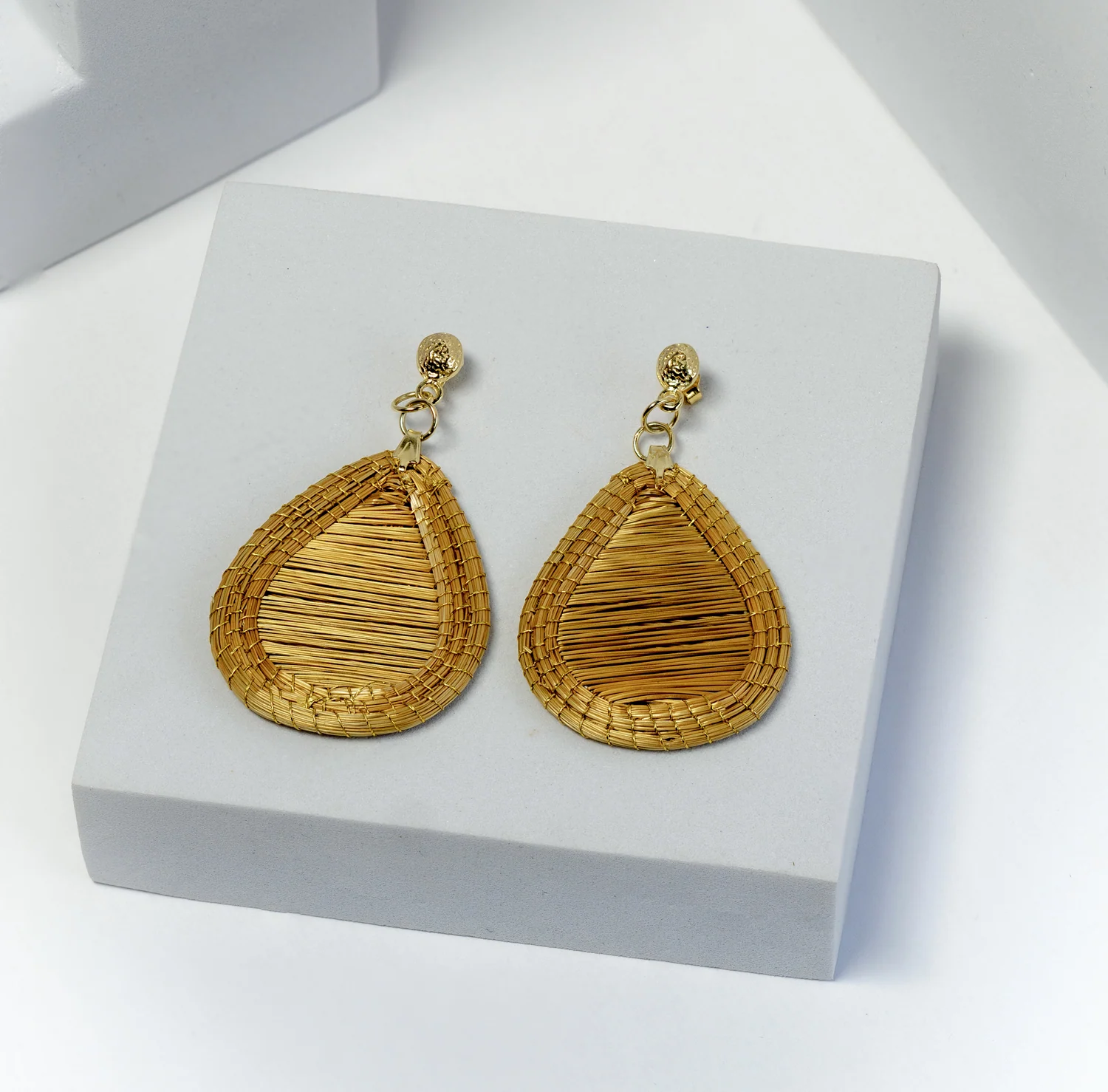
“Beautiful, sustainable and unique” may sound like a finished product description, yet it leaves most buying questions unanswered. What is the piece made from? How large is it? What does the reverse look like? Which part was made by hand? A retailer can produce more distinctive writing by answering those questions before searching for adjectives.
The aim is not to remove feeling from a collection. It is to connect feeling to something the reader can see or understand. A curved silhouette, a tightly repeated pattern or an unusual colour combination gives a writer material. Broad claims about the planet require a different kind of evidence.
At a glance
- Build copy from a product evidence sheet.
- Separate a material description from an environmental claim.
- Review headlines, labels and imagery as well as body text.
In this guide
- Start with three columns: known, observed, unconfirmed
- Keep the environmental question specific
- A practical rewrite exercise
- Write the description in a useful order
- Keep one approved version across the shop
Start with three columns: known, observed, unconfirmed
Create a small evidence sheet before drafting. Put supplier-confirmed material, maker and technique information in the first column. Put your own clearly limited observations, such as the shape shown in the supplied photographs, in the second. Place unanswered questions in the third. Only the first two columns should feed the published description, and observations should not become technical conclusions.
For example, a surface may look metallic without being metal, and a woven appearance does not establish a named traditional technique. “Warm golden colour” describes an appearance. A specific material name belongs in the copy only when the product information supports it. If composition matters to the purchase and remains unknown, ask for clarification before publication.
Keep the environmental question specific
The European Commission’s environmental-claims FAQ explains that wording and overall visual presentation can both communicate environmental claims. Treat a leaf badge or a green headline as an editorial claim to review, alongside the paragraph beneath it.
For day-to-day copywriting, use a simple question: what exact evidence supports the exact words on this page? Evidence about packaging does not automatically support a claim about the whole object. Evidence about one component does not describe every component. A general supplier mission statement does not, by itself, establish the environmental performance of a particular item.
Do not replace one broad term with a softer synonym and assume the problem disappears. “Planet kind” still invites an environmental interpretation. If you cannot substantiate the intended message, describe the verified material, construction and care information instead. Have any environmental claim you do intend to use checked against the rules applying to your consumer communication.
A practical rewrite exercise
Imagine a hypothetical decorative object for which the supplier has confirmed a handwoven body, a specified fibre and approximate dimensions. No environmental certification or lifecycle assessment has been supplied. The following editing choices illustrate how to build useful copy without inventing additional facts.
| Draft wording | Question to ask | Better editorial direction |
|---|---|---|
| Completely sustainable design | What performance and scope are evidenced? | Describe the verified material and making process |
| Perfect for every home | Which size and intended use fit? | Explain scale, shape and a plausible styling context |
| Each piece tells an ancient story | Whose history, and what source supports it? | Use the maker-approved context actually available |
| Guaranteed to last a lifetime | What commitment has been authorised? | Provide confirmed care instructions without a lifespan promise |
Write the description in a useful order
Open with the distinguishing physical idea: the outline, arrangement, texture or proportion. Follow with the documented material and process. Then explain dimensions, fittings, what is included and any relevant variation. End with the specific care information or a link to it. The order moves from interest to decision.
A story can sit within this structure without taking it over. Attribute maker information accurately and name a place only when its connection to the product is confirmed. Avoid presenting a whole country as a single aesthetic or treating an individual artisan as an anonymous representative of a tradition. Readers deserve a story with clear boundaries.
Keep one approved version across the shop
A careful website description is undermined if a shelf card still makes a broader promise. Keep the approved short and long copy together, with its supporting information and review date. When a component, finish or supplier statement changes, check product pages, collection introductions, printed labels and staff notes.
Use Toodobem’s artisan information as a starting point for questions, then ask for product-specific clarification through the trade contact page. Your final description should let a customer picture the item, understand its limits and appreciate the documented work behind it. That is a stronger piece of retail writing than an impressive adjective with no answer behind it.