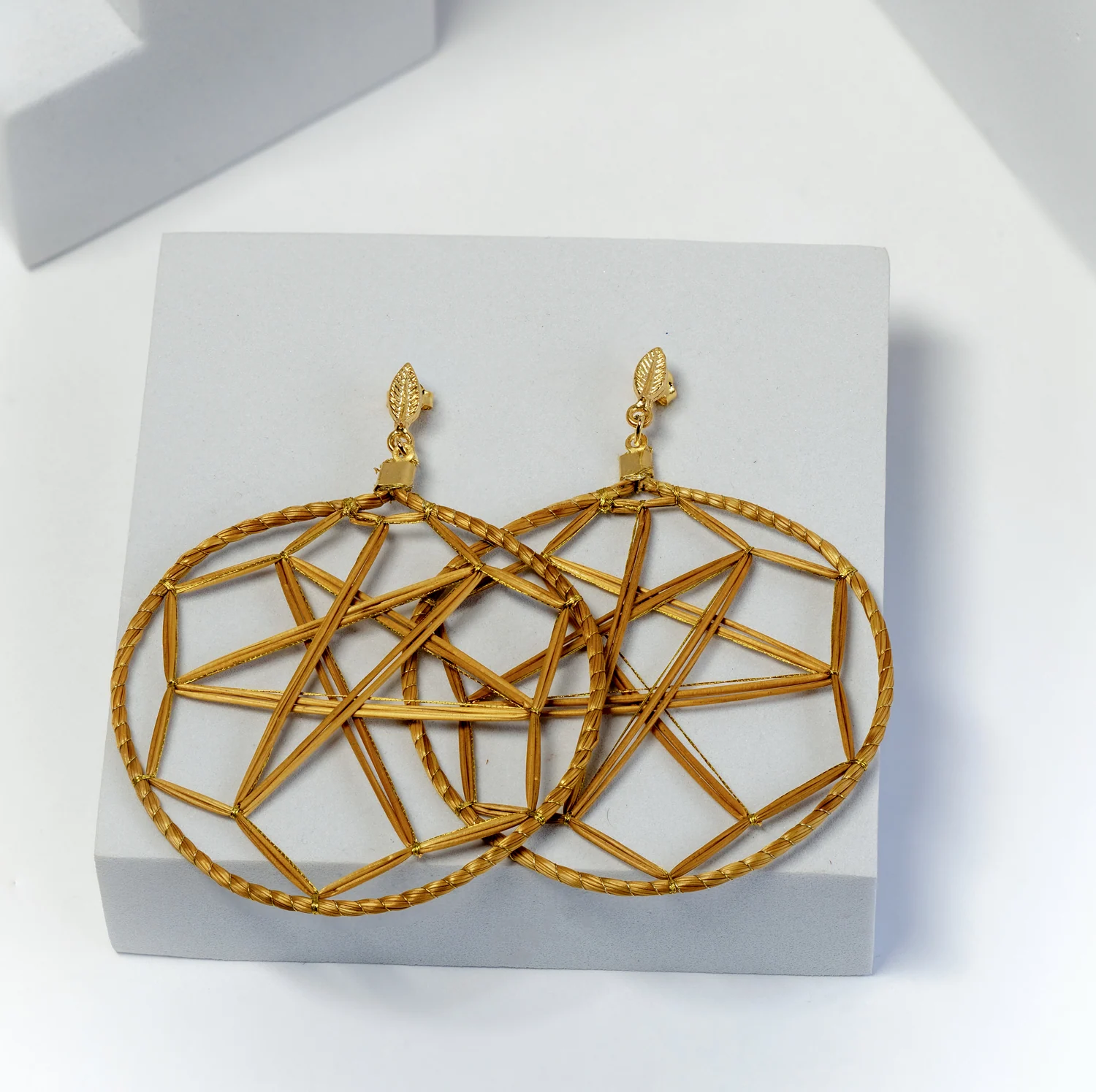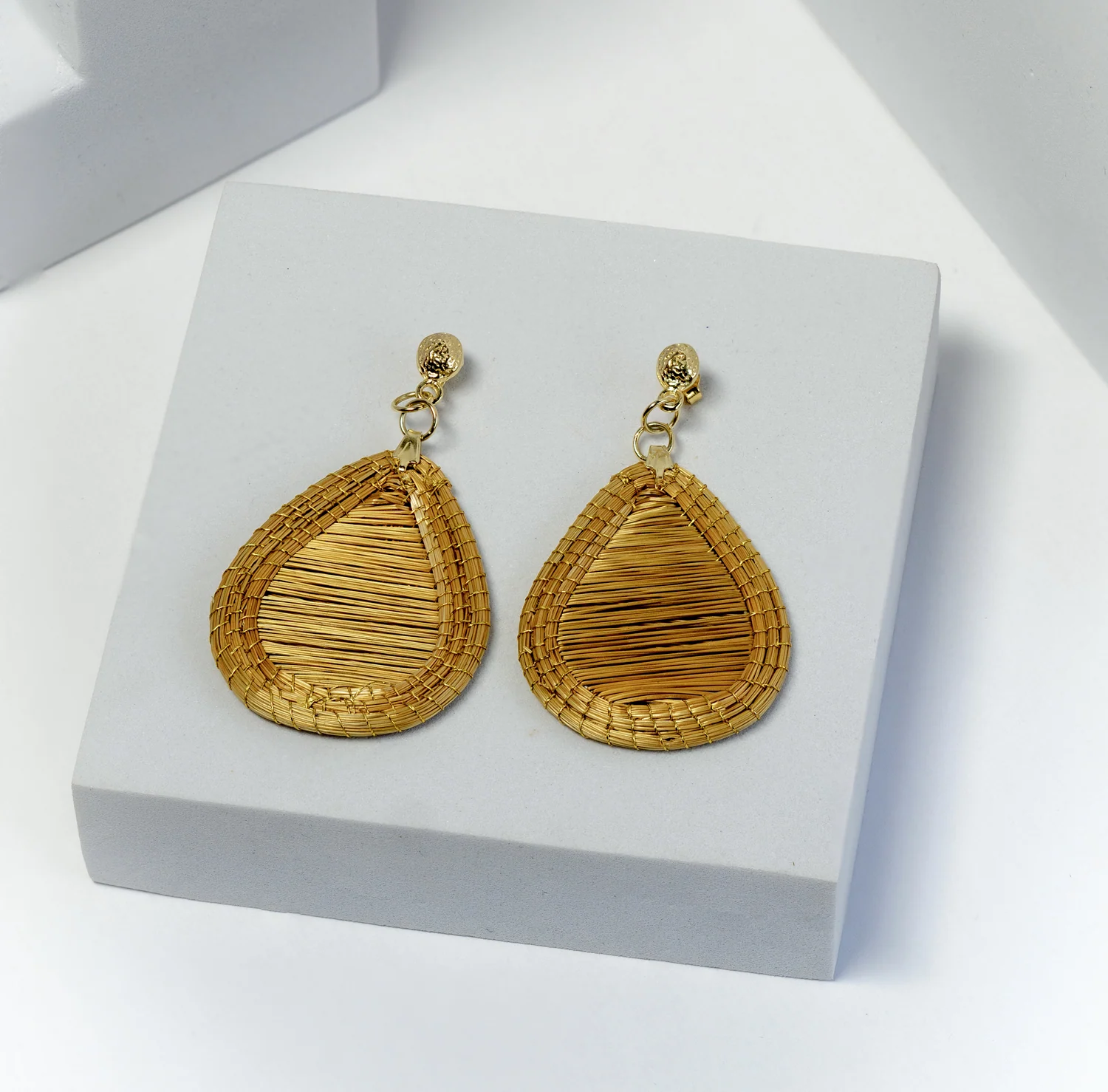

A customer lifts an object, looks at its construction and asks, “How is this made?” The colleague at the counter has a few seconds to respond naturally. A long supplier biography in a folder is little help at that moment. Staff need a small set of accurate facts, a visible detail to point to and a clear way to handle the next question.
Training should make colleagues comfortable with the actual objects. It should also give them permission to stop where their knowledge stops. A short, well-supported answer is more useful than an elaborate account assembled from guesses about Brazil, materials or artisan livelihoods.
At a glance
- Teach three reliable facts before a longer narrative.
- Practise answering questions and acknowledging unknowns.
- Keep staff notes linked to the current product record.
In this guide
- Build a three-part story for each product family
- Practise with the product in hand
- A hypothetical fifteen-minute briefing
- Prepare for questions that change the conversation
- Tell a specific story with respect
- Make training a small, repeatable habit
Build a three-part story for each product family
Start with the object: what makes this piece visually or practically distinctive? Next comes the making: what material and process are confirmed for it? Finally, add the person or place, using only the context the supplier has authorised and documented. These three parts create several possible conversations rather than a single script.
Give each fact its source in the internal training notes. This need not appear as a footnote on a sales card, but a colleague should know where to look if the information is challenged or updated. Keep the product reference beside the story so that information from a similar-looking piece does not migrate into the wrong description.
Practise with the product in hand
Place two or three pieces on a clear table. Ask each colleague to choose one detail they can show without interpretation: a closure, a repeated woven line, the depth of a vessel or the relationship between two shapes. Then connect that detail to confirmed information. This makes the story concrete and gives quieter team members a useful place to start.
Use the same exercise to reveal weak data. If nobody can explain what a fitting is made from, add it to the supplier question list. Do not improvise an answer because the training session is underway. A visible unresolved question is a valuable result when it is assigned to someone and followed through.
A hypothetical fifteen-minute briefing
The following timetable is an example for a small shop, not a promised training format from Toodobem. Adapt the length to the number of products and the experience of the team.
| Time | Activity | Outcome |
|---|---|---|
| First three minutes | Handle the pieces and identify differences | Everyone recognises the correct variants |
| Next four minutes | Explain three documented facts | A concise shared factual core |
| Next five minutes | Practise customer questions in pairs | Natural explanations and missing-information notes |
| Final three minutes | Confirm care, packaging and where to check details | A practical handover for the selling floor |
Prepare for questions that change the conversation
Role-play questions about care, dimensions, material composition, origin and the differences between pieces. Ask one colleague to play a customer who wants a short answer and another to play someone who wants detail. Both should receive accurate information, with the amount of explanation adapted to their interest.
Useful language includes “The product information confirms this material” and “I can check that detail before you decide.” Avoid teaching evasive phrases that sound reassuring while answering nothing. If a customer asks a technical question the record does not resolve, note the exact question and obtain a precise answer through the agreed shop process.
Also practise a conversation in which the piece is unsuitable. A customer may want a smaller size, a particular fastening or care requirements this item does not meet. Helping them understand that difference protects the usefulness of the whole recommendation. Craft storytelling should support a decision, not make it difficult to say no.
Tell a specific story with respect
Use the artisan’s name and preferred description where available. Do not embellish their life with assumptions about poverty, isolation, tradition or personal motivation. A product can be valued for skill and design without an invented rescue narrative. If the only confirmed origin is Brazil, do not assign it to a region because the visual style seems familiar.
Review the artisan information alongside the current product records. Keep broader reading about Brazil separate from claims about an individual object unless the connection is established. This distinction lets staff remain curious while keeping the sales conversation precise.
Make training a small, repeatable habit
At the next team handover, ask what customers actually asked. Add recurring questions to the reference sheet and remove wording that colleagues cannot explain. When a replacement batch arrives, check whether its relevant details still match. The training has worked when a new colleague can identify the piece, explain what is known and find a reliable answer to what comes next.