
A supplier conversation can feel productive while leaving the purchase surprisingly vague. You have discussed the collection’s mood and received several photographs, but the order unit, packaging and product dimensions remain unclear. A useful question sheet turns a friendly exchange into information your shop can act on.
For an EU retailer buying through Toodobem, keep the questions centred on your retail operation. What will arrive, how will you identify it, what can you say about it and which commercial arrangements apply to this order? Avoid copying a long international sourcing questionnaire that asks about matters unrelated to your buying route.
At a glance
- Link each question to a product or order decision.
- Separate unanswered essentials from optional requests.
- Keep agreed answers in one dated buying record.
In this guide
- Start by stating the decision
- Group questions by the work they unlock
- Mark what blocks the purchase
- Ask questions that can be answered clearly
- Close the loop with a written recap
Start by stating the decision
Write a short opening note explaining the kind of shop, the intended collection and the approximate launch window. State whether you are comparing an assortment, preparing a first order or checking replenishment. A supplier can give a more relevant answer when the purpose is clear.
Attach a single list of product references. Use the names and identifiers shown in the current catalogue, and add a screenshot only when it helps resolve ambiguity. “The large round one in your email” becomes difficult to trace as soon as several people join the conversation. Keep quantities and variants beside each reference.
Group questions by the work they unlock
| Area | Questions to resolve | Shop task unlocked |
|---|---|---|
| Product identity | Exact reference, variant and unit of sale? | Order and stock record |
| Product information | Confirmed composition, dimensions, care and variation? | Description and staff briefing |
| Commercial details | Current price, currency, quantities and payment arrangements? | Buying approval |
| Presentation | Packaging included and permitted image uses? | Display and online preparation |
| Fulfilment | Current availability and agreed delivery arrangements? | Receiving and launch calendar |
| Follow-up | How should discrepancies be reported for this order? | Clear intake procedure |
These are question prompts, not statements of Toodobem’s policies. The answer may differ by item or order. In particular, do not assume that a catalogue photograph establishes current stock, that an earlier quote remains valid or that packaging visible in a photograph is included in the sale.
Mark what blocks the purchase
Use three simple statuses: essential before ordering, needed before launch and useful for future planning. Exact product identity and the agreed commercial total generally belong in the first group. Additional editorial photographs may belong in the second if the order can be assessed without them. A long-term collection preview can remain in the third.
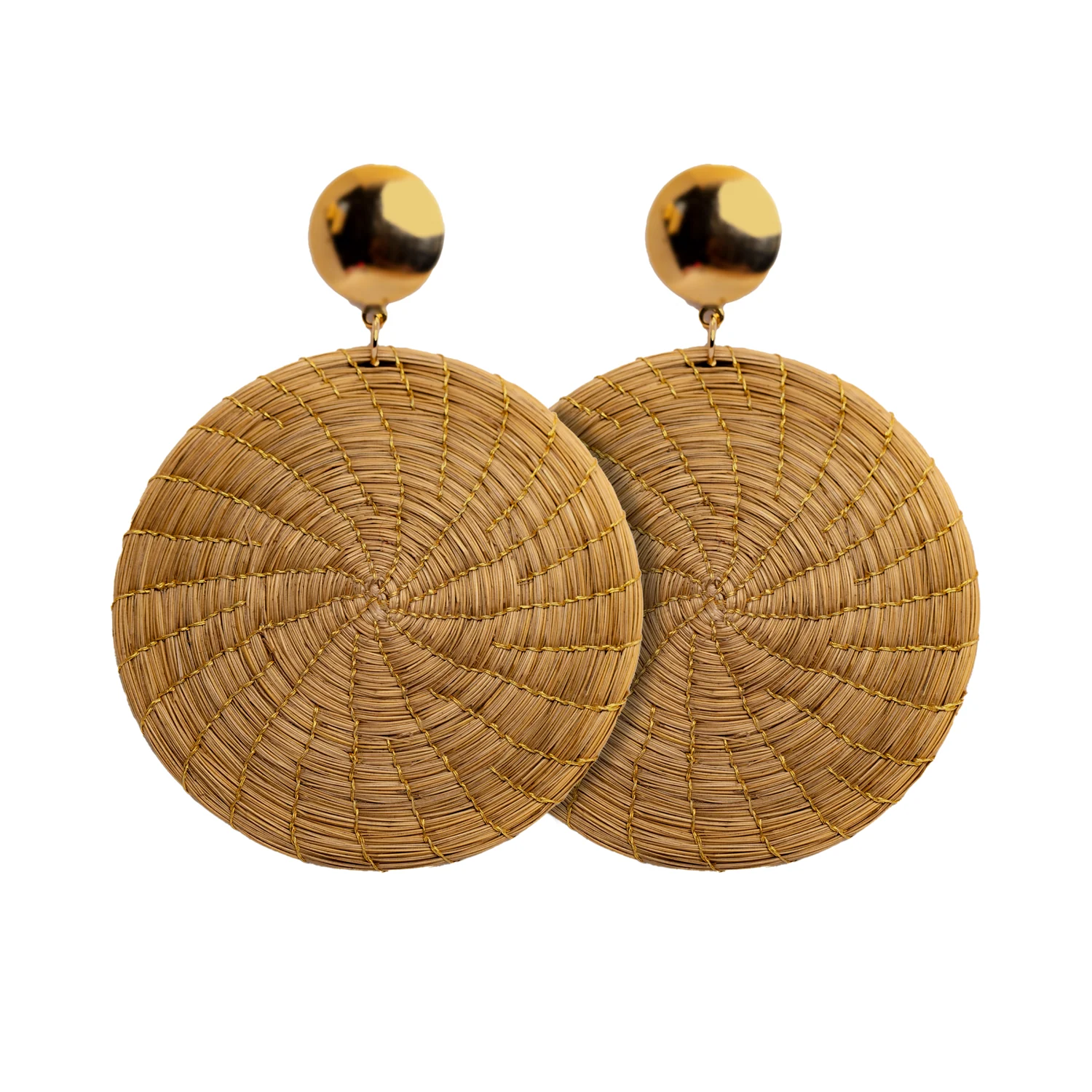
Consider a hypothetical shop selecting eight references. Seven have confirmed measurements, but one statement piece has no total drop measurement. The buyer marks that unanswered question against the one reference rather than holding all eight in a vague “waiting for information” category. The next action is now precise: confirm the measurement, change the selection or leave that line pending.
Ask questions that can be answered clearly
Replace “Is this good quality?” with the particular information you need. Ask how dimensions are measured, which components are included, what variation is expected and what care instructions are supplied. Quality is a broad judgement; these answers give you something concrete to evaluate against your shop’s needs.
Similarly, replace “Can it arrive quickly?” with your desired receiving date and ask what can currently be confirmed. If the timing is conditional, record the condition. Do not turn an estimate into a customer promise by copying it into a launch announcement without checking its status.
For photography and storytelling, ask what material you may reuse and how it should be credited. Ask for confirmation of maker names and product-specific origin where relevant. Keep environmental, technical and performance claims out of your own copy until you have the evidence required to use them accurately.
Close the loop with a written recap
After a call, summarise the agreed points in the buying record and ask the supplier to resolve any discrepancies. Keep the latest answer, date and supporting document together. Do not make colleagues reconstruct the order from several forwarded message threads when the delivery reaches the shop.
Give unresolved questions a named owner and a next action. If an answer changes the order, update the selection and commercial document rather than leaving the correction buried in a note. The question sheet should become shorter as the decision becomes clearer.
Start with the current catalogue and send a focused enquiry through Toodobem’s contact page. A good supplier question sheet is complete when another colleague can understand what has been agreed, what remains open and whether the shop is ready to proceed.