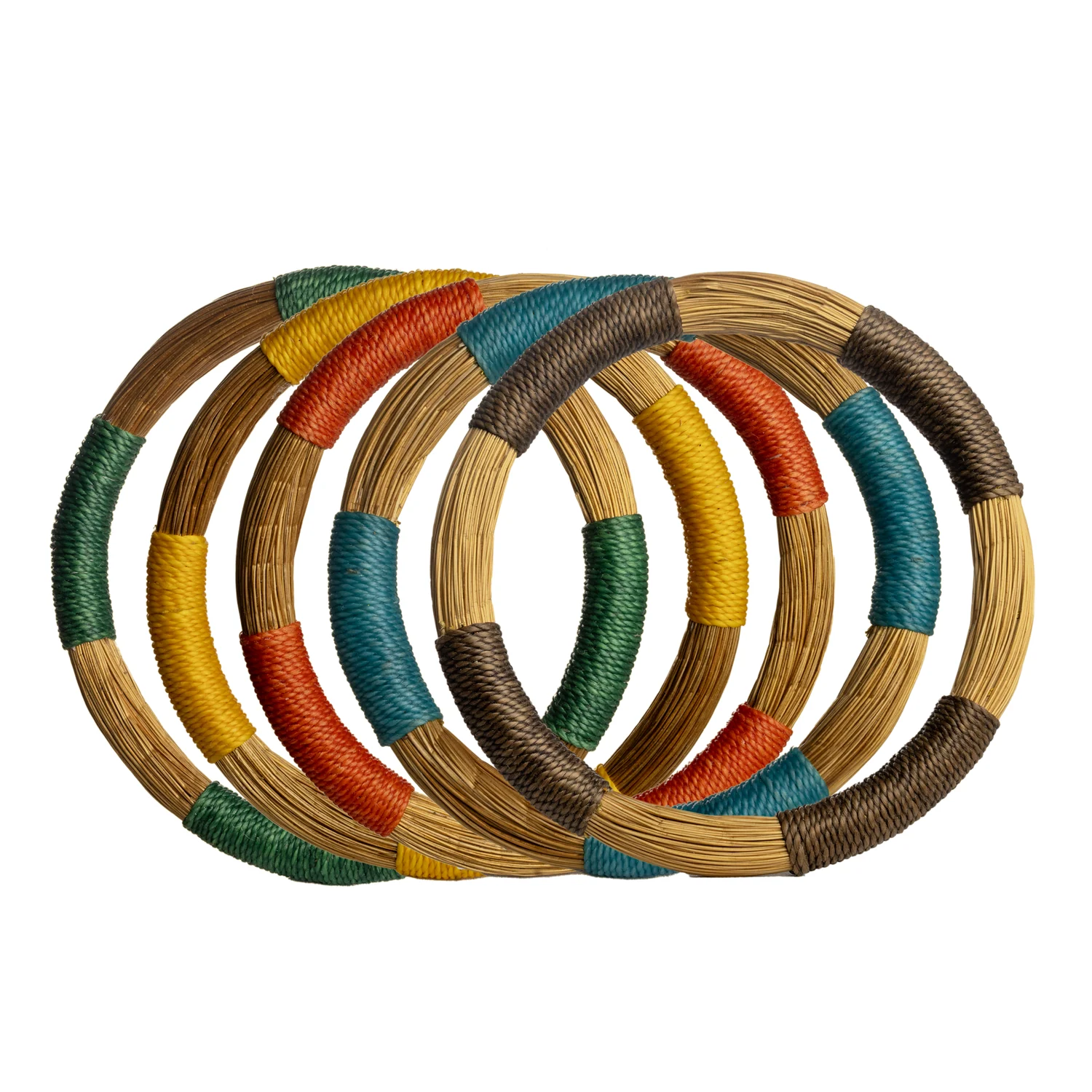

Opening a delivery is one of the most satisfying parts of retail buying. It is also a moment when a small ambiguity can enter every system that follows. A mixed carton is counted as one reference, a display sample is placed on the shelf before being recorded or a damaged piece remains included in online availability.
Create a receiving routine that is simple enough to use on a busy day. The objective is to connect each physical item with the order, its condition and its eventual stock location. A small shop does not need an elaborate warehouse process, but it does need a clear sequence.
At a glance
- Prepare the order record and receiving space in advance.
- Keep counted, unchecked and held stock visibly separate.
- Release inventory only after identity and quantity agree.
In this guide
- Prepare before the boxes arrive
- Record the delivery before dispersing it
- Count by identity, not by resemblance
- Inspect against what was agreed
- Complete the stock entry before the display
- Leave a handover someone else can follow
Prepare before the boxes arrive
Have the confirmed order and relevant packing information available. Identify who will receive the delivery, where it can be opened and where packaging can remain while questions are resolved. Clear a surface large enough to keep product groups separate. If the shop must remain open, decide who will serve customers while another colleague counts.
Use a receiving sheet with the supplier reference, your internal reference, ordered quantity, received quantity, held quantity and a notes field. Include the order identifier and date. A sheet linked to the order is more useful than an unlabelled list of numbers written on the nearest scrap of paper.
Record the delivery before dispersing it
Check the number of packages against the available delivery information and note visible discrepancies or condition issues. Follow the specific reporting process agreed for the order and the delivery service. Do not assume there is one universal deadline or signature rule that applies to every shipment.
Open packages carefully and retain identifying labels until the intake is complete. Photograph relevant packaging and condition issues where necessary, keeping order references legible. Avoid mixing contents from several cartons before you understand how they are organised. If a discrepancy appears, its original package context may help explain it.
Count by identity, not by resemblance
Match each line to the exact product and variant. Check whether the unit of sale is an individual item, a pair or a set. Similar colours or shapes are not enough to establish that two pieces belong to the same stock record. Resolve uncertain identities before moving products to the selling floor.
| Receiving status | Where the item goes | Next action |
|---|---|---|
| Uncounted | Clearly marked intake area | Match and count |
| Counted and acceptable | Ready-for-entry area | Update approved stock record |
| Identity unclear | Separate holding area | Confirm reference or variant |
| Condition question | Protected holding area | Record issue and request instructions |
Inspect against what was agreed
Use the product information and any agreed variation notes when reviewing the delivery. Distinguish an expected handmade difference from a condition problem, but do not decide that every discrepancy is acceptable simply because the item is handmade. Describe what you observe in neutral, specific terms.
In a hypothetical delivery of twenty pairs of earrings, eighteen pairs may be ready for sale, one pair may need a reference check and one may have a visibly bent fitting. Record twenty pairs physically received, eighteen currently sellable and two held for different reasons. Recording only “twenty in stock” hides information that the online shop needs.
Complete the stock entry before the display
Enter the accepted quantity under the correct identity and location. If your system separates physical stock from available-to-sell stock, use those fields consistently. If it does not, keep an equally clear holding record so uncertain pieces cannot be sold accidentally. Count display units as part of inventory unless you have deliberately assigned a different status.
Add labels and customer information only after the identity is confirmed. Check that the retail label belongs to the correct variant and that the product card reflects the current specifications. A receiving process that ends at counting leaves presentation errors for the sales team to discover.
Leave a handover someone else can follow
Summarise what is ready, what is held and who is following up. Attach the relevant photographs or notes to the order record. Keep supplier resolutions with the original discrepancy rather than starting a separate undocumented adjustment. When a replacement or credit is agreed, update the appropriate record without silently changing the original intake history.
Before your next selection from Toodobem’s collections, review which details made the last intake easy or difficult. Clarify recurring identification or packaging questions through the trade contact page. Receiving is complete when the physical shelf, the stock record and the team’s understanding tell the same story.