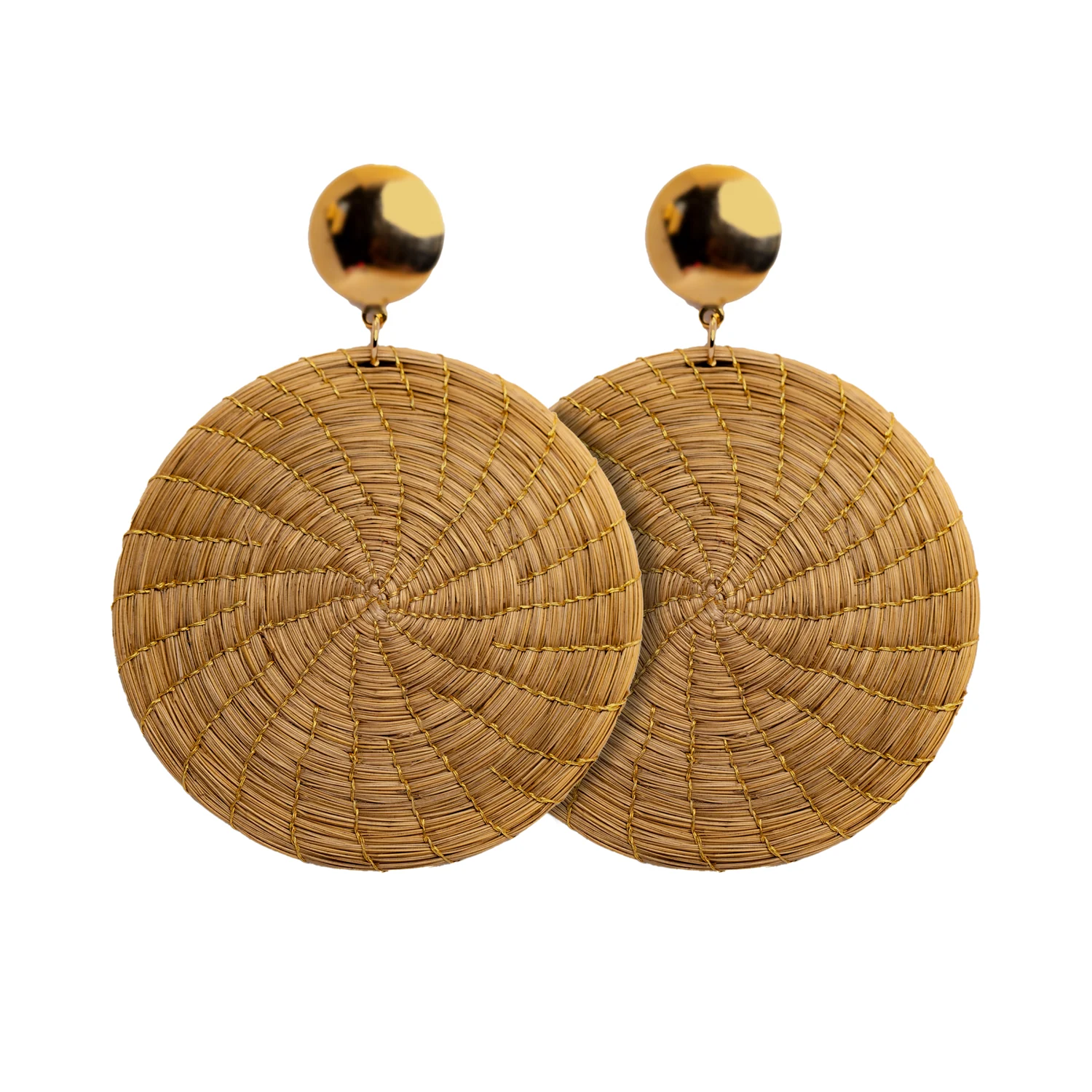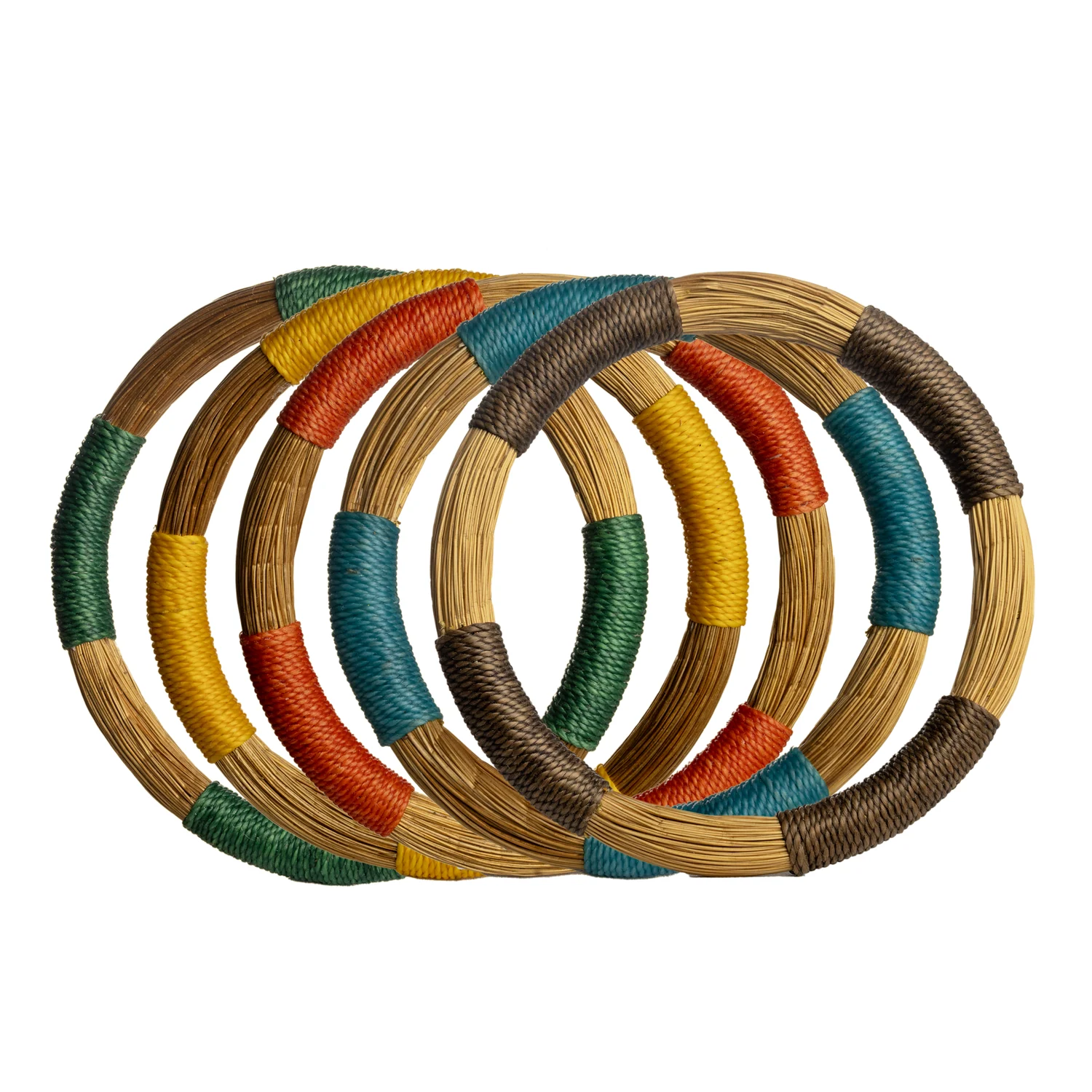

A jewellery tray can look complete while remaining disconnected from the clothes around it. The buyer has selected attractive pieces, but the sales team cannot easily show how they work with the shop’s current silhouettes. In a fashion boutique, an accessory needs a role within the wardrobe as well as an identity of its own.
Begin with garments already selected for the season or permanent edit. Look at necklines, sleeve shapes, fabric texture and the colours the shop actually carries. Then ask which accessory choices create a useful contrast, repeat a visual idea or offer a different way to wear an existing outfit.
At a glance
- Choose accessories against actual garments in your assortment.
- Show the proportions that affect a styling decision.
- Review the accessory category on its own and in context.
In this guide
- Build combinations before adding depth
- Create a small styling map
- A hypothetical three-look exercise
- Keep practical questions within reach
- Make the category easy to shop independently
- Review the relationship after the launch
Build combinations before adding depth
Lay a few representative garments beside potential accessories. Test the relationship at realistic scale, using actual dimensions where samples are unavailable. A photograph cropped around an earring may hide how much visual space it occupies beside a collar. A necklace’s total length matters more than an appealing close-up of its central detail.
Give each proposed accessory a reason to belong. It might soften a strict outline, add a clear focal point to a simple garment or introduce a texture that the clothing edit lacks. These are styling judgements for your shop, not claims that one combination is universally flattering.
Create a small styling map
| Garment feature | Accessory question | What to verify |
|---|---|---|
| Detailed neckline | Does another focal point help or compete? | Visible scale in a complete outfit |
| Plain surface | Which shape adds the intended emphasis? | Dimensions and colour relationship |
| Voluminous sleeve | Can the accessory be worn and handled comfortably? | Relevant measurements and construction |
| Textured fabric | Does the combination reveal both materials clearly? | A realistic handling and styling check |
Use the map to edit, not to create a rigid rulebook. A colleague should be able to propose another combination and explain why it works. The purpose is a shared visual vocabulary that helps the team start a useful conversation with a customer.
A hypothetical three-look exercise
Imagine a boutique presenting a plain dress, a structured shirt and a relaxed knit. Instead of choosing a different accessory family for each, the buyer tests a small group across all three looks. One piece works only with the dress; another creates two convincing combinations; a third does not add anything the shop wants to communicate.
The buyer may still keep the specialist piece if its role is clear. The exercise does not require every accessory to work with everything. It reveals whether the assortment has intentional choices or simply repeats the buyer’s personal favourites. These imagined looks do not describe catalogue stock or a promised styling result.
Keep practical questions within reach
Customers need information beyond the styled image. Provide the measurements, fastening details, confirmed composition and care instructions relevant to the piece. For earrings, distinguish total drop from decorative dimensions and clarify whether a stated weight refers to one earring or the pair.
Do not infer material or allergy suitability from colour or appearance. If a customer has a specific composition requirement, use the confirmed product information and acknowledge what is not known. Styling confidence should not turn into an unsupported technical promise.
Make the category easy to shop independently
Show accessories with clothing, but retain a clear place where customers can compare the accessory options themselves. Label individual items accurately, even when the display presents a complete look. A customer who wants only the earrings should not have to work out whether the whole arrangement is sold as a set.
Give staff a few brief styling observations rather than a memorised sales pitch. Ask what the customer is trying to change or complete, then use the actual garments and measurements to support the answer. A successful recommendation may be a smaller piece, a different shape or no addition at all.
Review the relationship after the launch
Look at accessory sales and recorded customer questions alongside the clothing presentation. Note when a garment change makes an earlier styling combination irrelevant. Refresh the examples before deciding the accessory itself has lost its role.
Use Toodobem’s collections to explore the visual edit and ask for product-specific details before committing to a styling story. An accessory category works when it can explain itself clearly and also helps the shop’s clothing feel more considered.