
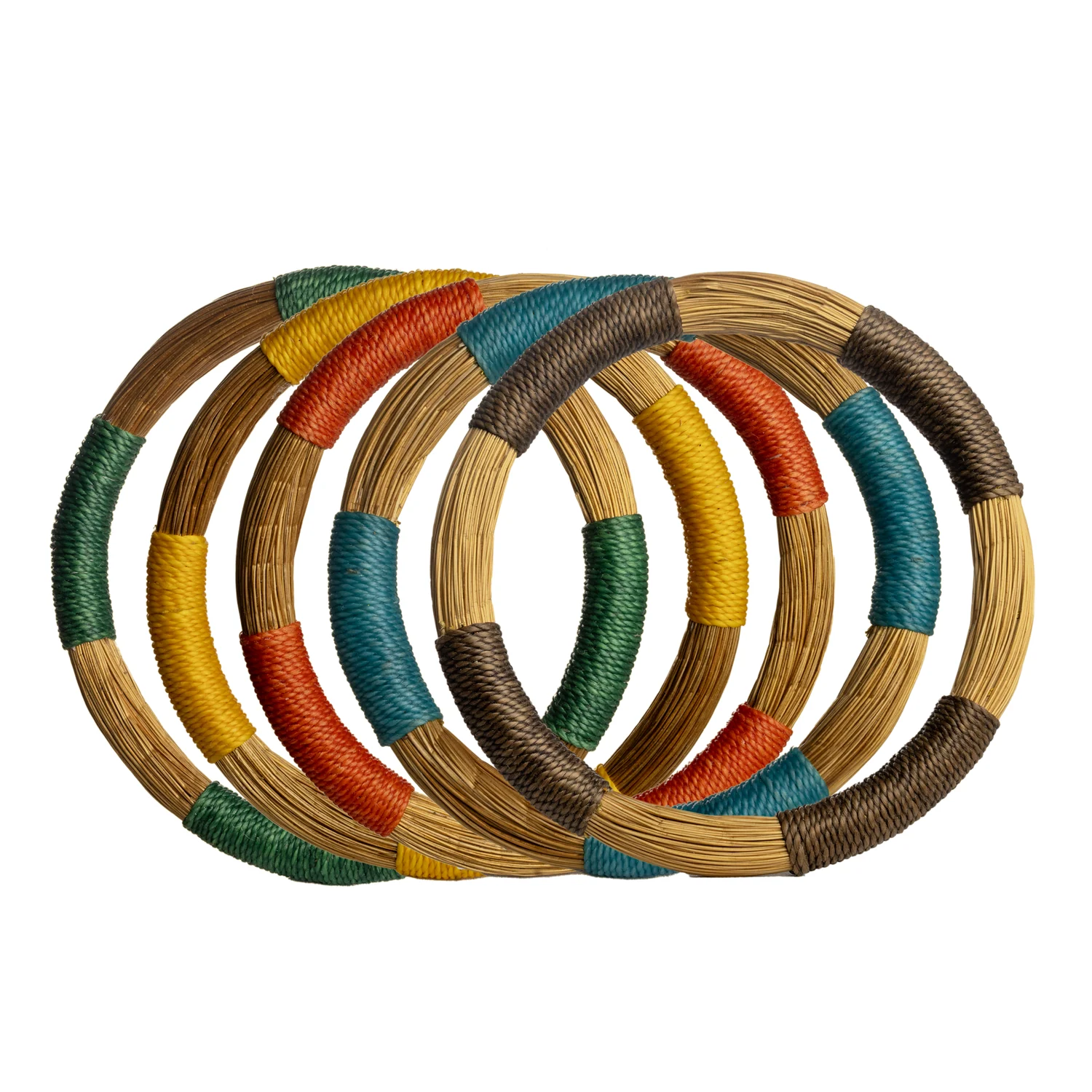
A collection can become permanent simply because nobody decides when to review it. Another can be called seasonal because it arrived with a campaign, even though customers find uses for it throughout the year. Give each line a deliberate role before those labels start guiding the next purchase.
For your shop, a permanent line is one you intend to support over a longer period, subject to review and actual supply conditions. A seasonal edit has a defined occasion, presentation or selling window. Neither description establishes supplier availability, and neither should replace an assessment of what the product contributes.
At a glance
- Define permanence as a shop decision, not a supply promise.
- Give seasonal lines a clear beginning and review point.
- Allow a product’s role to change when evidence supports it.
In this guide
- Ask what remains relevant when the display changes
- Compare the work each role creates
- A hypothetical line with two possible roles
- Keep the assortment from becoming an archive
- Plan flexibility without blurring the decision
- Use the calendar to make the label meaningful
Ask what remains relevant when the display changes
Take the item out of its campaign context. Does it still answer a clear customer need within the shop? Can staff explain its role without referring to a particular event? Does the product information remain useful when the seasonal photographs are removed? These questions help identify a possible permanent line.
A seasonal piece can still be an excellent choice. Its purpose may be a focused visual story or an occasion that matters to your customers. The issue is whether that purpose has been named and whether the buying and presentation work fit the time available. Seasonal does not mean disposable, and permanent does not mean exempt from review.
Compare the work each role creates
| Decision area | Permanent-line approach | Seasonal-edit approach |
|---|---|---|
| Information | Maintain a durable product record and reusable copy | Keep facts stable while reviewing occasion-specific wording |
| Presentation | Find several credible contexts in the shop | Make the chosen context clear and timely |
| Buying review | Assess continued role and current availability | Assess remaining opportunity before adding stock |
| End point | A regular decision to retain, change or pause | A planned review after the occasion or campaign |
A hypothetical line with two possible roles
Imagine a neutral accessory introduced in a festive gift edit. It sells in that context, and customers also ask about wearing it with everyday clothing. The buyer could test a permanent role by presenting it with the continuing wardrobe edit and recording the response after the campaign ends.
The festive result alone does not prove year-round demand, and the everyday questions alone do not justify a large commitment. A defined retest is the useful bridge. This hypothetical example shows how a role can evolve without turning a promising observation into a broad forecast.
Keep the assortment from becoming an archive
Permanent lines need active maintenance. Review whether the current stock matches the photographs, whether care information is complete and whether staff still understand the product. A piece left in the same corner for months has not necessarily received a fair test of its continuing role.
Seasonal lines need a deliberate handover. At the review point, decide whether remaining stock should enter another coherent edit, receive a new role or follow another commercial action your shop has chosen. Avoid vague “save it for next year” decisions without a stock count, storage plan and reason to expect the information will remain current.
Plan flexibility without blurring the decision
Some products can bridge several contexts. Record a primary role and a possible secondary one rather than classifying everything as versatile. The distinction helps the team understand why the item was bought and what evidence would support using it differently.
Keep that flexibility separate from supplier commitments. Ask about current availability and any relevant collection changes each time you plan a purchase. A line your shop treats as permanent may still need a revised specification, photograph or alternative selection if circumstances change.
Use the calendar to make the label meaningful
Set the next review when assigning the role. For a seasonal edit, place it early enough to influence the remaining selling period. For a permanent line, choose a rhythm that allows the team to maintain information and assess its contribution without constant reaction to individual sales.
Review Toodobem’s collections with your existing assortment roles visible, and clarify product or availability questions before updating the plan. The useful distinction is practical: every line has a reason to be there, the shop knows how it will support that reason and a date exists to ask whether the role still holds.