
A new collection has been in the shop for three months. Some pieces have sold, others remain, and the buyer has a strong feeling about what should happen next. Before placing another order or abandoning the range, turn that feeling into a review that another colleague could understand.
Ninety days is a useful chosen checkpoint, not a universal period in which every artisan product must prove itself. The review needs to consider when the collection became available, how it was presented and whether customers had enough information to make a decision. The same number of sales can tell very different stories.
At a glance
- Compare sales with actual time available to customers.
- Separate a product problem from an information or presentation gap.
- Finish with a decision, an owner and a review date.
In this guide
- Reconstruct the opportunity to sell
- Use a small group of questions
- A hypothetical comparison
- Read customer questions as editorial evidence
- Choose one next action per line
- Bring the findings into the next conversation
Reconstruct the opportunity to sell
Record the date each line reached the selling floor and the date its online page became usable. Note periods when it was out of stock, held for a product question or hidden during a display change. A line delivered halfway through the review should not be treated as if it had the same exposure as one available from the beginning.
Check the physical count before analysing the report. Sales, returns, samples, damage holds and transfers can affect the stock position. If the quantities do not reconcile, resolve that issue first. A neat chart built from an inaccurate stock record only makes the uncertainty look more authoritative.
Use a small group of questions
| Review question | Evidence to collect | Possible action |
|---|---|---|
| Did customers have a fair chance to see it? | Display dates and online availability | Run a properly supported retest |
| What helped a sale happen? | Staff notes and relevant customer questions | Repeat the useful explanation |
| What prevented a decision? | Recurring size, care or material questions | Improve missing information |
| Does it fit the shop operationally? | Packaging, handling and stock-record work | Change the process or selection |
| What should happen next? | All of the above, alongside buying capacity | Retain, improve, retest or pause |
A hypothetical comparison
Imagine two product lines, each with twelve units initially available. Line A sells six units during ninety days. Line B sells five but was available for only thirty days because its delivery and product information were completed later. A total-sales ranking places A first, yet it does not establish that B had weaker demand.
The correct response is not to declare B the winner using a simple extrapolation. Its shorter period may include a special event or stronger display position. Record those conditions, recognise that the comparison is incomplete and decide whether another review period will answer the question. These figures are illustrative, not performance claims for Toodobem products.
Read customer questions as editorial evidence
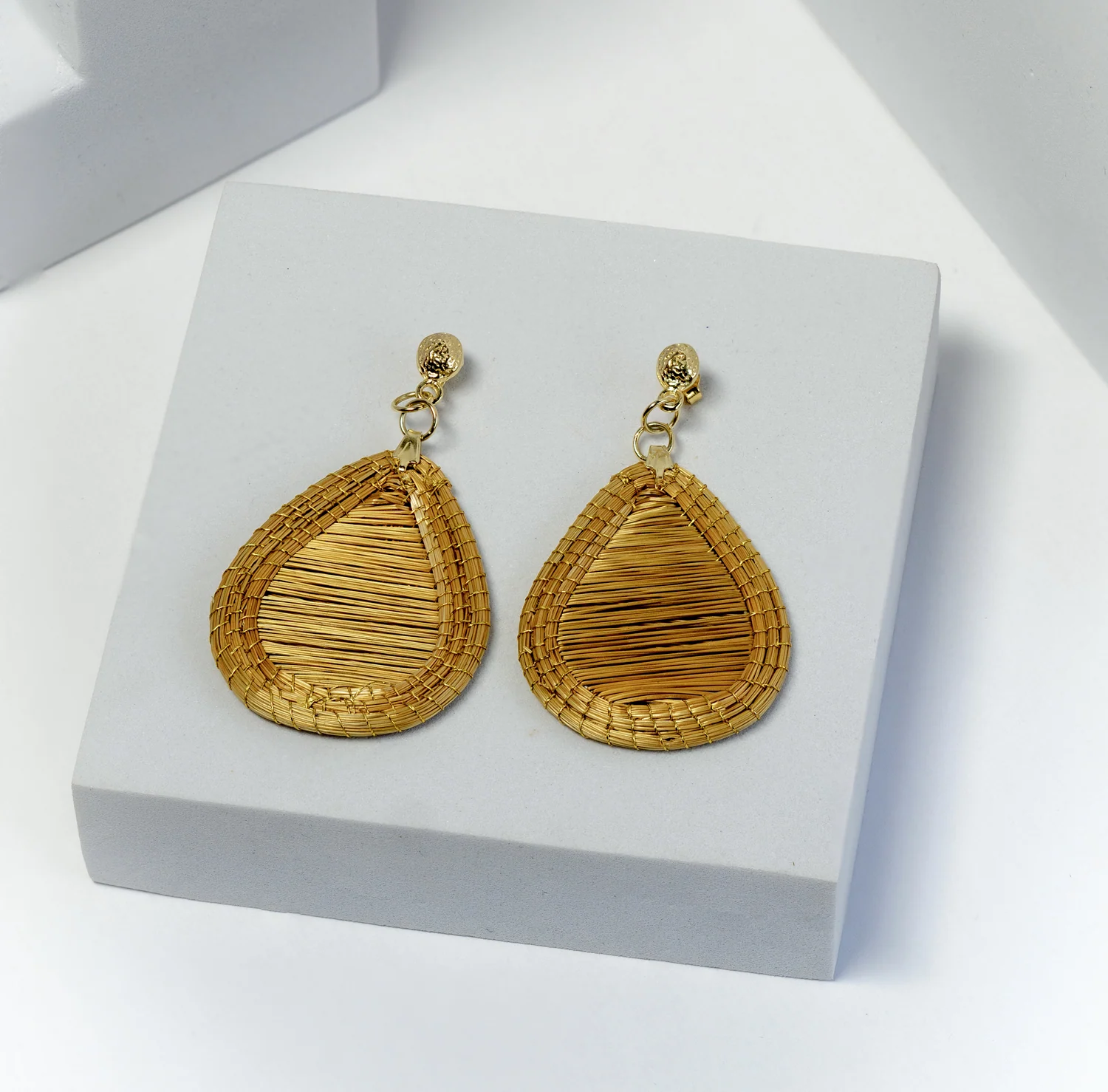
Ask the team which questions came up repeatedly. If customers keep asking whether an item is a pair or a single piece, improve the label and product page. If they struggle to judge size online, review measurements and photography. These are practical changes you can make without pretending to know why every non-purchaser left.
Distinguish a recorded comment from a broad conclusion. One customer requesting a different colour is a useful observation, not proof that the whole market wants it. Look for repeated, specific signals and keep the original wording where possible. A short factual note is more useful than a retrospective story that conveniently explains the result.
Choose one next action per line
Use four working decisions. Retain a line whose role and operation are clear. Improve a line with a specific correctable information or presentation gap. Retest a line that has not yet had a fair selling opportunity. Pause a line that no longer fits the shop’s priorities or practical requirements.
Each decision needs a reason and an owner. “Try harder” is not an action. “Add a scale photograph, brief the team and review after the next display cycle” is. Avoid changing price, position, copy and assortment simultaneously if your purpose is to learn which issue matters.
Bring the findings into the next conversation
Before revisiting Toodobem’s collections, prepare a concise summary of references, observed questions and the information you need. Use the trade contact page to clarify product details rather than turning a performance review into unsupported assumptions about the supplier.
The ninety-day review is complete when it produces a manageable decision that the shop can carry out. Its value lies in making the next buying conversation more precise, with the actual selling conditions visible beside the numbers.