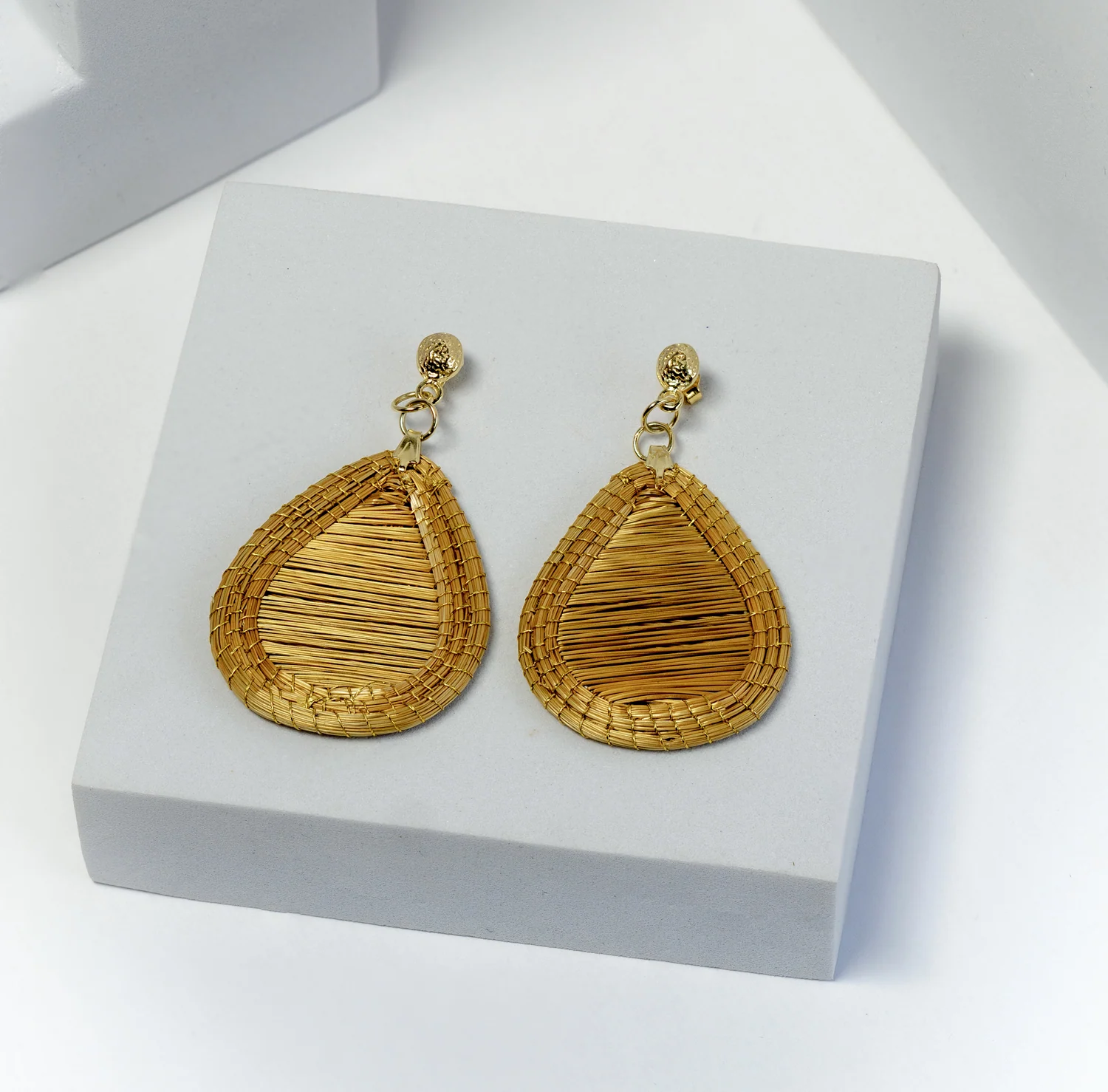
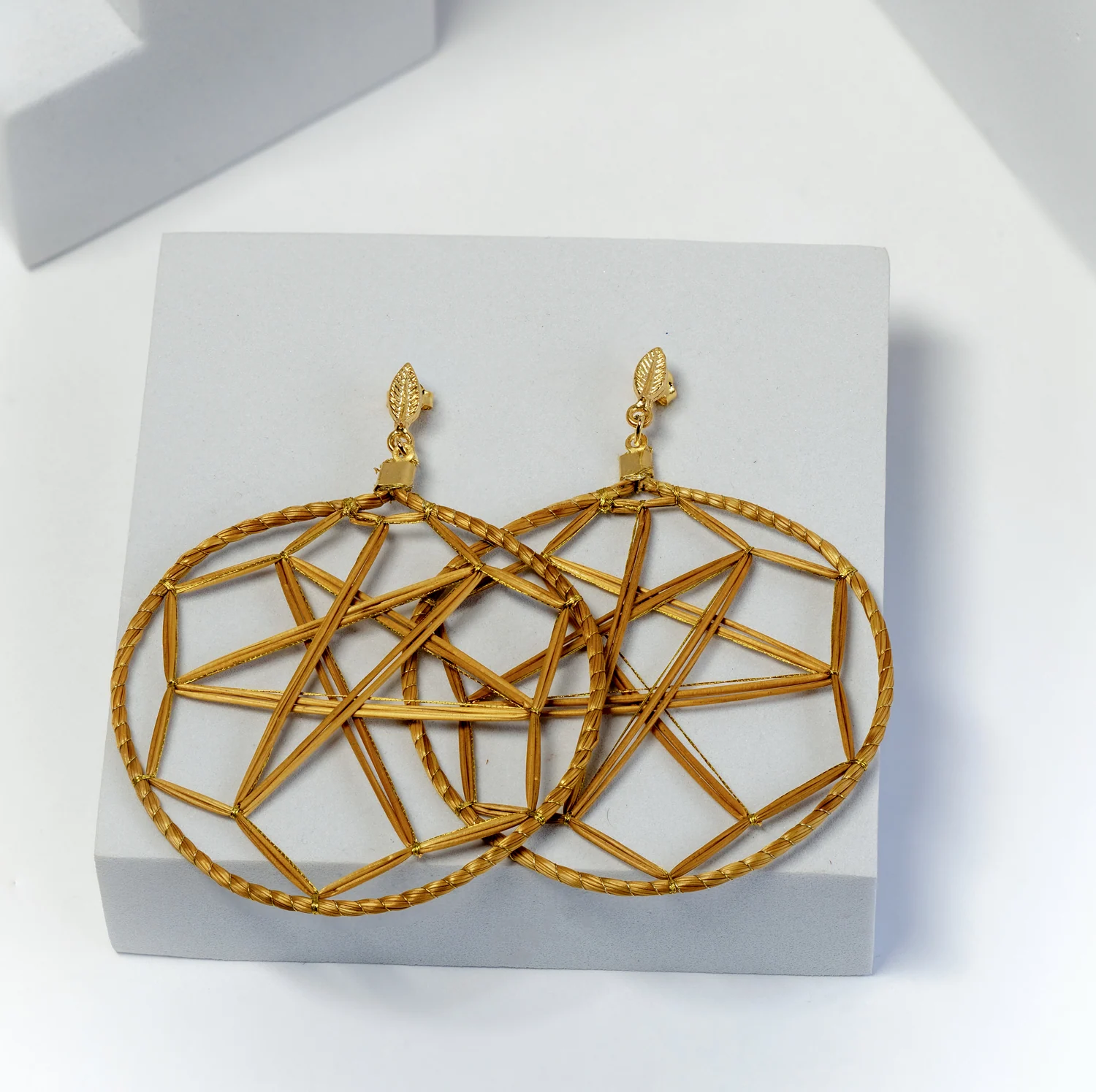
A piece may be introduced as a natural fibre accessory while its practical behaviour depends on a metal fastening, an internal support and the thread joining them. Buyers do not need to become materials scientists, but they do need a description that follows the complete object. A headline ingredient is a starting point, not a specification.
At a glance
- Describe the finished product component by component.
- Define how measurements and weights are taken.
- Record changes that affect use, appearance or care.
In this guide
- Write the specification around decisions
- A practical component map
- Define the measurement, not just the number
- Inspect the joins as their own subject
- Keep performance claims separate from descriptions
- Connect care and change control
Write the specification around decisions
The CBI’s guidance on professional quotations lists materials, dimensions, techniques and colours among useful product details. For a mixed-material object, those headings become more informative when they are attached to individual components rather than compressed into one broad sentence.
Begin with the part that gives the object its main identity. Then add components that affect fastening, support, skin contact, closure or visible finish. You are looking for information that could change the purchase decision or the explanation given to a customer. Do not collect technical language merely to make the file look complete.
A practical component map
| Part | Information to request | Reason |
|---|---|---|
| Main body | Material, construction and finish | Defines the central product |
| Binding or join | Material and assembly method | Explains how parts connect |
| Fastening | Composition, finish and closure type | Supports a precise description of use |
| Added decoration | Material and attachment | Prevents assumptions from appearance |
| Support or lining | Presence, material and intended role | Clarifies structure and care questions |
Not every product contains all these parts. Remove irrelevant rows and add anything that matters to the actual reference. A short accurate map is preferable to a form filled with guesses.
Define the measurement, not just the number
Ask whether height includes the fastening, whether width is measured at the widest point, and whether weight refers to one object, one pair or a packaged unit. For a flexible item, explain the condition in which the measurement is taken. Otherwise, two correct measurements can appear contradictory because they describe different things.
Where variation is expected, record an agreed range or another clear acceptance method. A single nominal dimension may be enough for browsing but insufficient when a display compartment or coordinated pair depends on fit. Give the supplier the reason precision matters so the request is proportionate to the product.
Inspect the joins as their own subject
The connection between materials deserves attention because it is easy to overlook in an attractive front view. Ask how the product is intended to move and which parts should remain fixed. A decorative loop, a functional closure and a support ring should not be treated as interchangeable details simply because they look similar.
In a hypothetical earring specification, the buyer could record the body separately from the connector and hook. If a future version changes only the hook, the file should make that change visible. The main body may remain identical while the total drop length, weight or care guidance changes.
Keep performance claims separate from descriptions
“Metal fitting” describes a component at a broad level. “Suitable for every sensitive wearer” makes a different kind of claim and cannot be inferred from the first. Likewise, “plant fibre” does not establish waterproofness, cleaning resistance or a particular environmental outcome. Request evidence for any performance statement you intend to rely on.
If the evidence is unavailable, narrow the description to what is confirmed. This may still be sufficient for the buying decision. The important point is that an unknown property remains unknown rather than becoming a confident phrase through repetition.
Keep an earlier specification available when a reference changes. A short comparison showing the previous component, the replacement and the date of approval makes the decision traceable. Replacing the old description entirely can erase the explanation for differences between stock already held and a new order.
Connect care and change control
Ask for care guidance covering the full construction. Check whether the advice changes when one component is replaced. Store the answer with the product code and the version of the specification, so it is clear which goods it describes.
Agree that substitutions affecting material, finish, dimensions or function should be identified before the buyer accepts them. This is a request to discuss in the commercial relationship, not an assumption about any supplier’s existing policy. It helps preserve the meaning of an approved sample over time.
Before ordering from the Toodobem catalogue, mark the unresolved component questions on your shortlist and use Toodobem contact to clarify them. A complete specification makes the product easier to choose today and easier to recognise when the next order arrives.