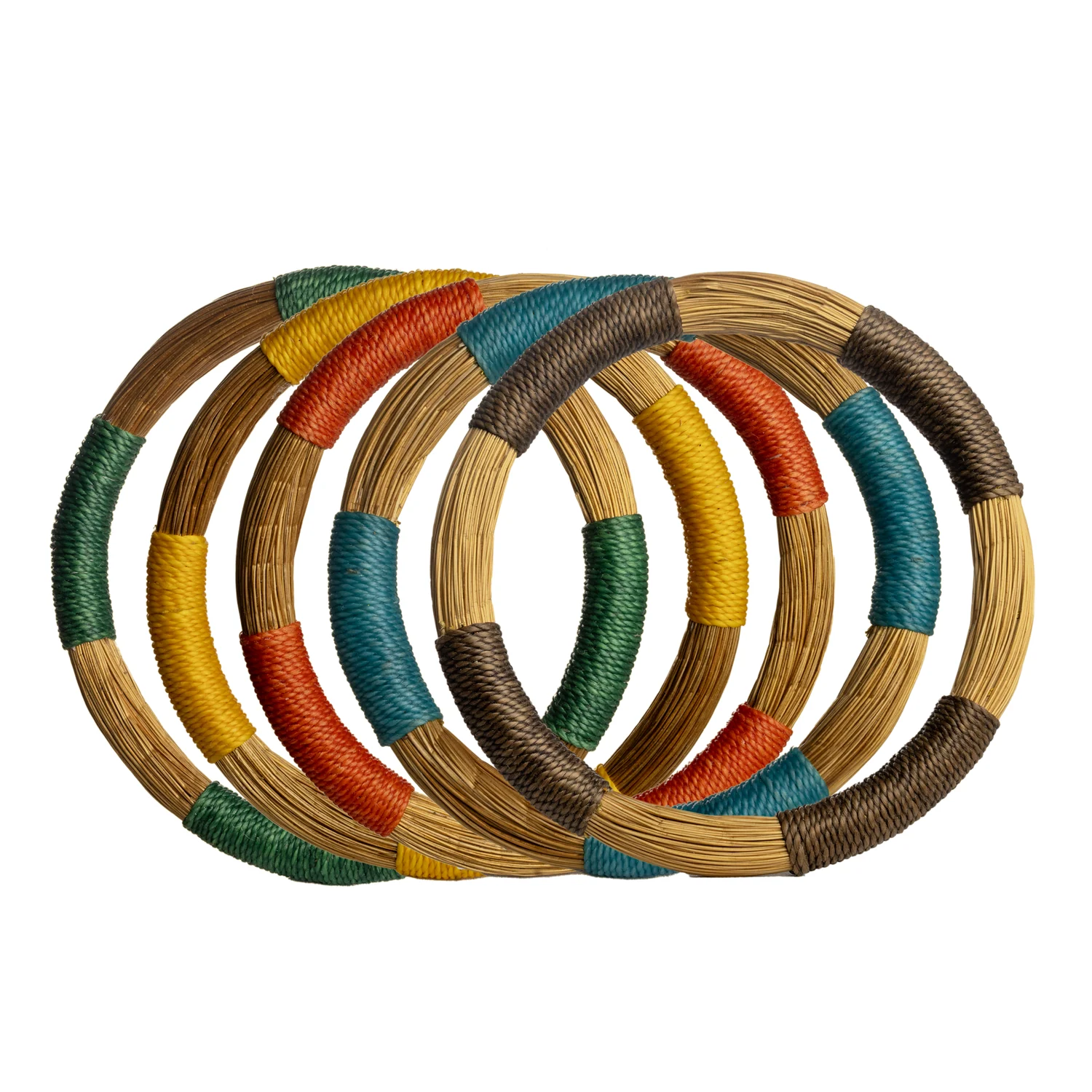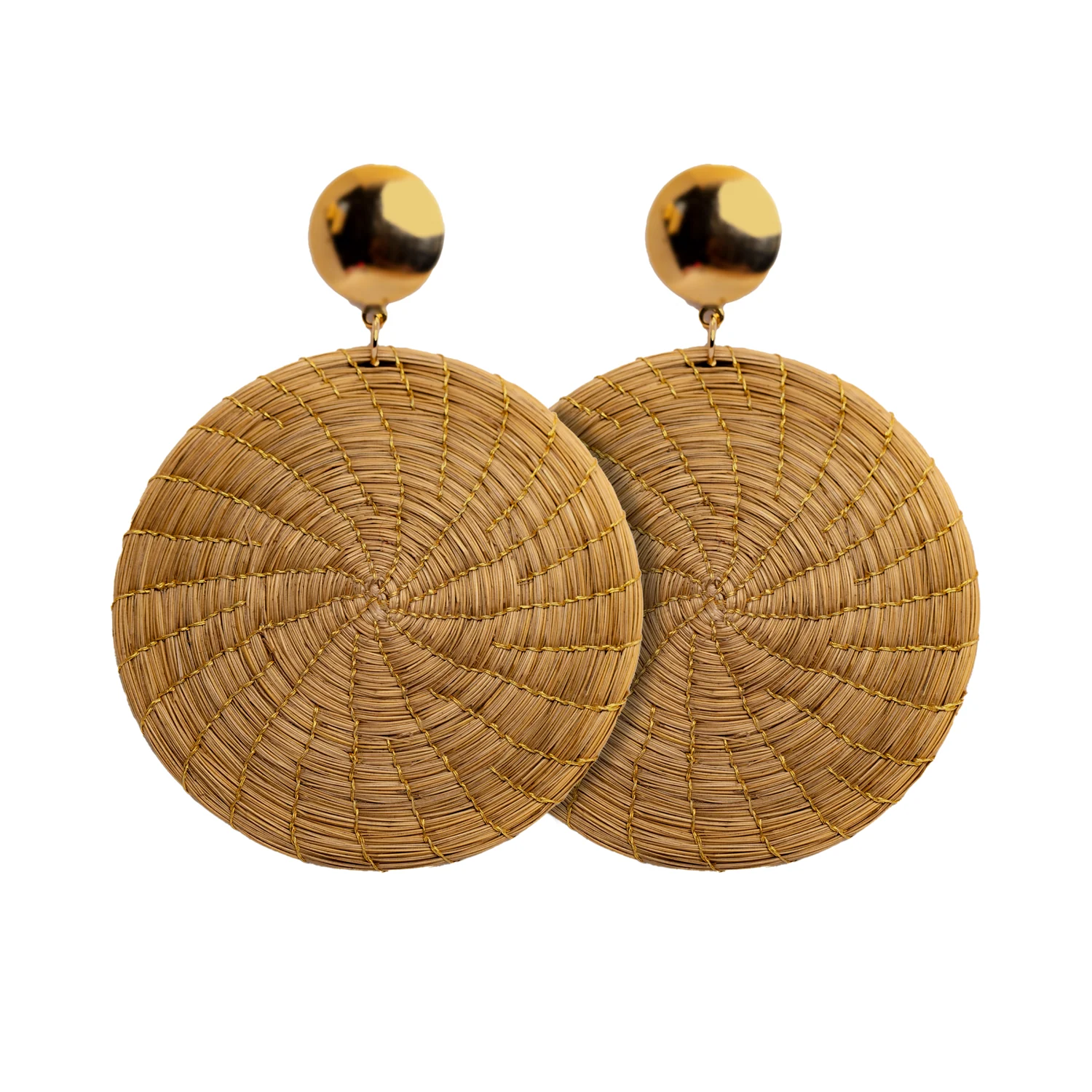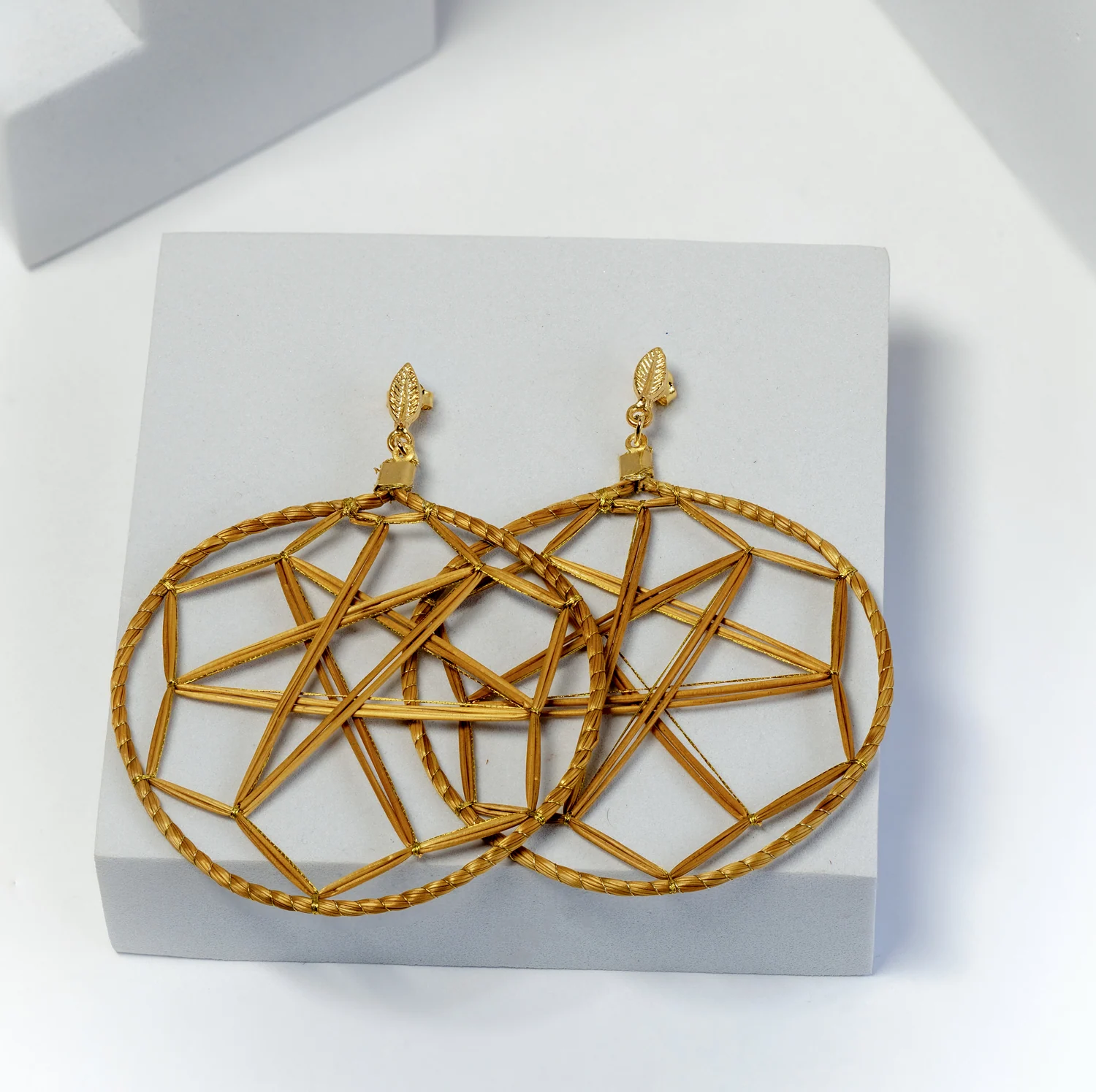

Your first wholesale order is a set of connected decisions. A product can be right for the shop and still be wrong for the opening selection if its quantity requirement absorbs the money needed for a balanced range. Equally, a modest order can feel substantial when the pieces share a clear purpose and each offers a meaningful choice.
The goal is to create a starting range you can explain, display and learn from. It does not need to represent every possibility in the catalogue. It needs to reveal which parts of a new offer deserve a larger commitment.
At a glance
- Write a one-sentence purpose for the first collection.
- Allocate money to useful product roles before adding more styles.
- Resolve quantity, specification and timing questions together.
In this guide
- Write the collection brief before the shortlist
- Give the shortlist a structure
- Set the commitment before the quantity
- Use a first-order readiness sheet
- Check the order as a physical collection
- Choose the lesson you want from the first order
Write the collection brief before the shortlist
Describe the customer, occasion and relationship to existing stock in one sentence. For example: “Textured accessories for customers who buy quiet clothing and want one expressive finishing piece.” This hypothetical brief is specific enough to influence shape, scale and display. It also gives you a reason to reject an attractive item that serves a different customer.
Next, identify what is missing from the shop today. Is the gap an accessible gift, a stronger visual centre or a companion to an established category? Avoid giving the first range several incompatible jobs. A focused introduction is easier to assess than a scattered selection whose products each need a different explanation.
Give the shortlist a structure
Divide proposed items into approachable choices, the collection’s central offer and a limited number of expressive pieces. These roles do not imply fixed prices or quantities. An approachable choice is simply easy for your intended customer to understand; an expressive piece adds a reason to notice the collection.
Compare items within each role. If two references serve the same purpose, ask what meaningful difference the second provides. A change in scale or fastening may offer a useful alternative. A barely perceptible difference in colour may create another stock decision without adding much for the customer.
Set the commitment before the quantity
Decide how much cash you can commit after allowing for costs outside the product lines. Keep a reserve for confirmed transport, packaging or display needs where they apply. Do not treat a possible future sale as cash already available to pay the initial order.
Then apply the supplier’s current quantity requirements to the shortlist. Recalculate the entire order whenever a reference changes. A small addition repeated across several colours can alter the commitment more than the individual line first suggests.
Use a first-order readiness sheet
| Decision | What should be clear |
|---|---|
| Purpose | The customer and role of the collection |
| Selection | Why each reference earns a place |
| Product information | Materials, dimensions, expected variation and intended use |
| Commercial commitment | Current prices, quantities and payment terms |
| Timing | The quoted window and your usable selling period |
| Presentation | A realistic display and reserve-stock location |
| Review | What you want to learn before expanding |
Check the order as a physical collection
Arrange samples or accurately scaled reference images in the intended display footprint. Does the range have a readable centre? Can a customer see the differences? Is the smallest item overwhelmed by the largest? A purchase sheet can look balanced while the display gives nearly all its attention to one reference.
Consider what happens when a popular piece sells. The collection should remain understandable without requiring every original item to stay present. Repeated colours, related shapes or a consistent material can provide continuity, but the relationship must be visible in the actual selection.
Choose the lesson you want from the first order
A hypothetical boutique might use its first range to compare compact and larger silhouettes within a shared material. Another might compare everyday self-purchase with gift-led selection. Choose one main question, then keep other differences manageable. If every item varies in colour, scale, price and function, a later sales difference will be harder to interpret.
Write the review date and decision before ordering. The outcome might be to deepen a small group, replace one role or pause expansion. A first order has succeeded when it produces a useful collection and a clearer next decision, even if every reference does not perform equally.
Start a focused shortlist in the Toodobem catalogue, then clarify the outstanding commercial and product questions through Toodobem contact. Commit when the range, budget and intended learning fit together.