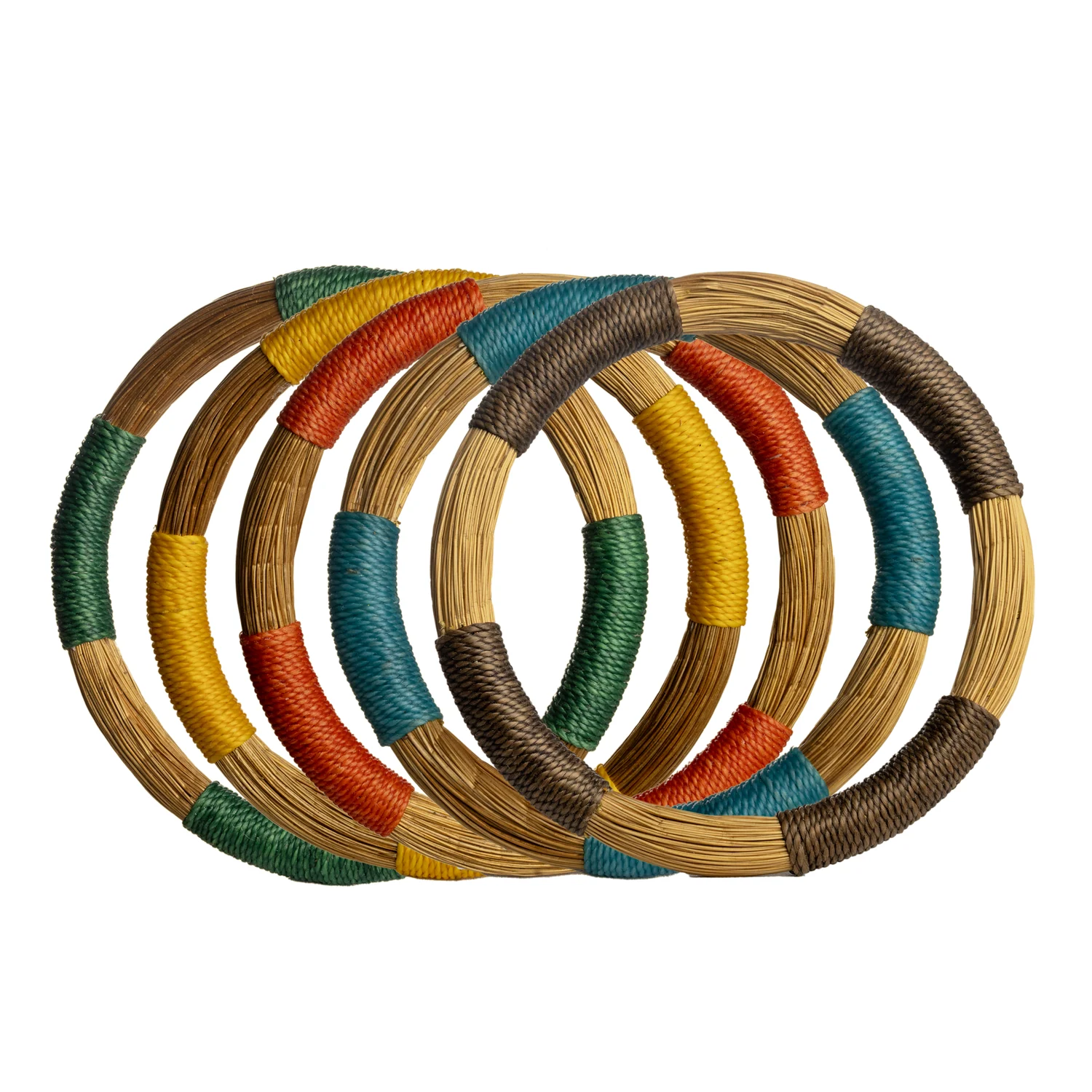
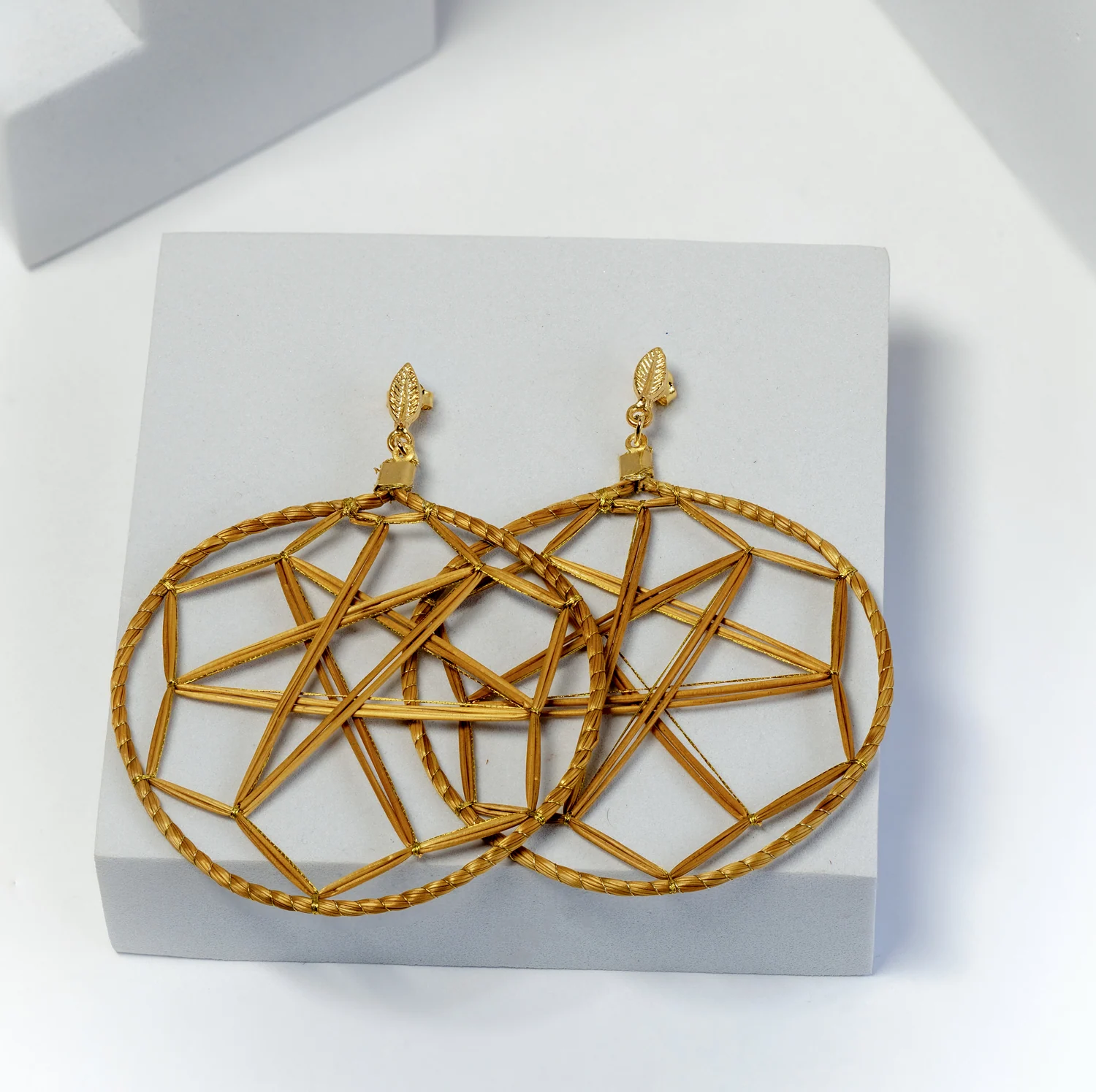
A test assortment is more than a small order. It is a selection designed to answer a question. Without that question, the buyer may finish the trial knowing which pieces sold but not why the result matters for the next purchase.
Start with a decision you expect to make. Do you need to choose between compact and larger shapes? Decide whether one accent colour deserves a permanent place? Assess whether a new material belongs beside an established category? Keep the first test narrow enough that the result can influence a concrete action.
At a glance
- Define one buying question before choosing the test range.
- Compare products over a clear period with usable availability records.
- Use small results to choose the next step, not to claim certainty.
In this guide
- Choose a comparison that preserves the question
- Set a period and record availability
- A hypothetical four-week comparison
- Add observations that answer the question
- Choose the next step before declaring a winner
- Keep the commitment proportionate to the evidence
Choose a comparison that preserves the question
If you want to compare scale, keep other important differences reasonably controlled. Two designs that also differ in price, colour, fastening and display position do not isolate size. Perfect control is rarely possible in a boutique, but identifying the differences helps you avoid overstating the conclusion.
Write those differences down before the test. If the larger piece necessarily costs more, the trial is comparing two complete offers, not proving a pure preference for size. That can still be useful as long as the buying decision is framed accordingly.
Set a period and record availability
Choose a review window that gives the products a realistic opportunity to be seen in your shop. Record the opening quantity, any later additions, units sold, returns and days when each reference was unavailable. Keep the display and pricing history beside those figures.
Availability matters because sales cannot occur after a reference has sold out. An item with fewer sales may have spent less time available, while a piece with more units sold may have received a much more prominent position. The result should be read with those conditions in view.
A hypothetical four-week comparison
| Measure | Compact design | Larger design |
|---|---|---|
| Opening units | 12 | 12 |
| Units sold | 6 | 4 |
| Units remaining | 6 | 8 |
| Share of opening units sold | 50% | About 33% |
All figures are hypothetical. The example assumes no receipts, returns or stockouts during the four weeks. It shows stronger unit movement for the compact design in that particular trial. It does not establish a general market preference or prove that doubling the next quantity would produce twice the sales.
Add observations that answer the question
Record a few relevant customer responses in neutral language. For a scale comparison, note whether customers considered the larger silhouette, asked about dimensions or chose a smaller alternative. Avoid collecting every conversational detail. The notes should help interpret the specific decision, not become an unstructured diary.
Distinguish an observation from your explanation. “Three customers asked to compare the two lengths” is an observation. “Customers are afraid of statement jewellery” is an interpretation that reaches much further. Keep the former and treat the latter as a question to investigate.
Choose the next step before declaring a winner
The result may justify deepening the compact option while retaining a small quantity of the larger one. It may instead reveal that the larger piece needs a different display context. Decide what additional evidence would change your view and whether that evidence is worth another limited test.
Set practical review rules in advance. For example, the next decision could depend on acceptable unit movement, a workable gross profit amount and no unresolved product-information issues. Use thresholds derived from your own business plan rather than borrowing an unsupported universal success rate.
Preserve the original test note after the review. Record what you expected, what happened and which action you chose. The next trial can then challenge the earlier interpretation directly, instead of relying on an increasingly confident memory of a result that was initially tentative.
Keep the commitment proportionate to the evidence
A small test offers direction, not certainty. Increase quantities in a way the budget can support, especially when the first result depends on only a few transactions. Consider whether the next period has a similar selling context or includes a different season, event or customer mix.
If the outcome is unclear, describe exactly what remains uncertain. “The larger design received less display exposure” suggests a useful follow-up. “We need more data” is less actionable unless it identifies which missing information would change the decision.
Build a purposeful trial from the Toodobem catalogue and preserve the original question in your buying notes. The strongest result is a clearer next action: deepen, refine, repeat under better conditions or stop. That is what turns a small assortment into useful buying evidence.