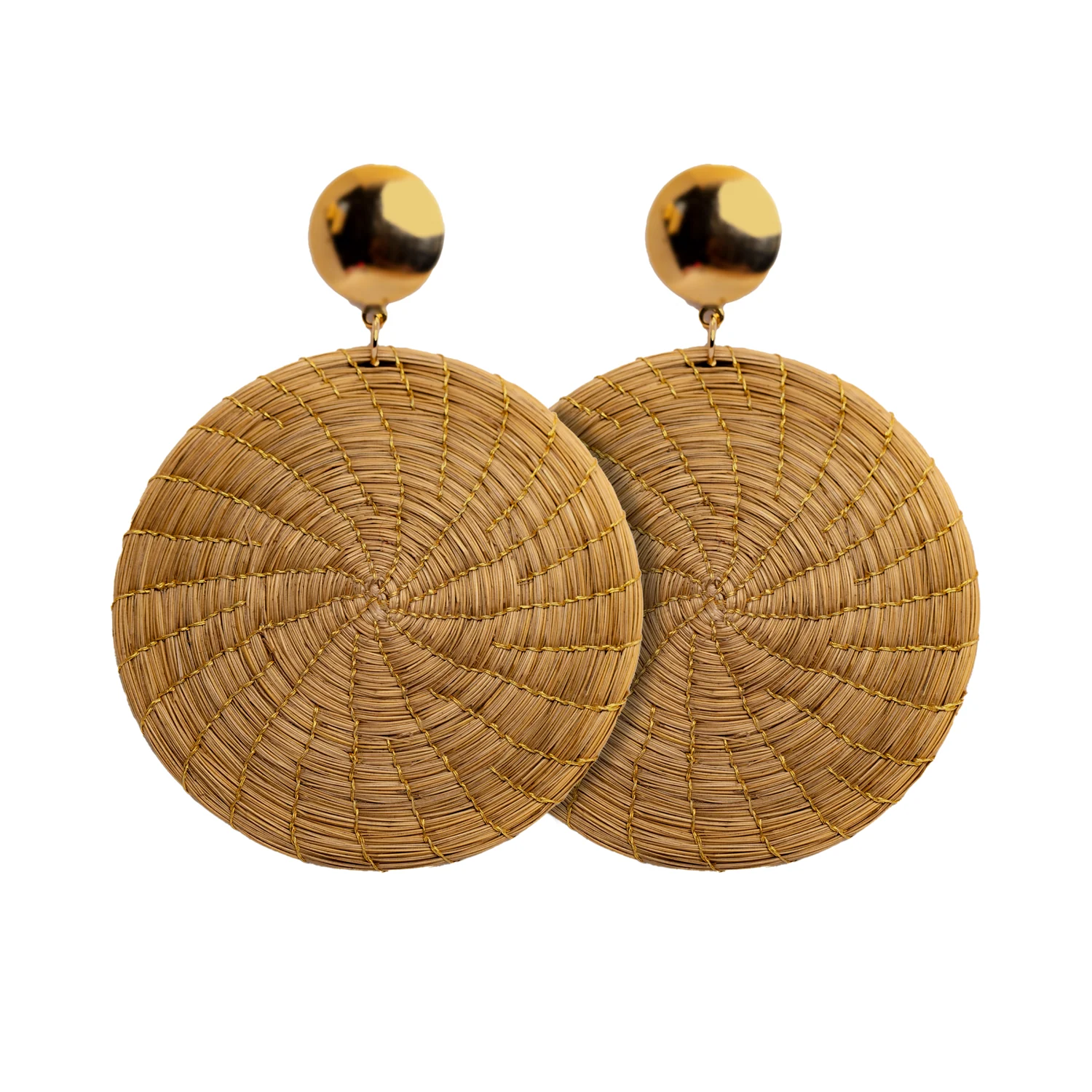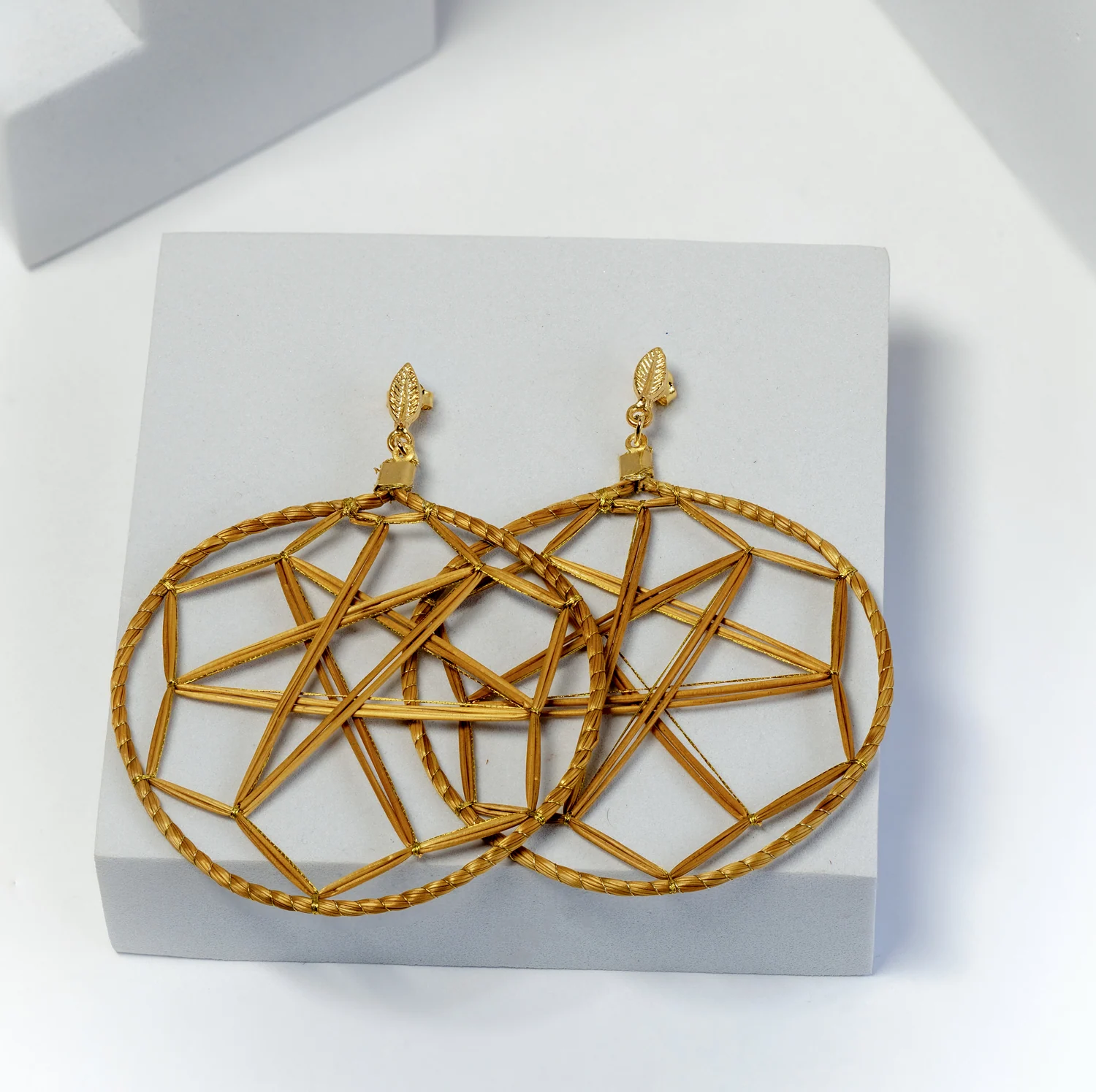

A buying sheet can look impressively varied while leaving the shop with too little stock behind each option. It can also look reassuringly deep while committing heavily to a narrow assumption about customer taste. Breadth and depth solve different problems, and a useful assortment needs a deliberate balance between them.
Breadth is the number of distinct choices you offer. Depth is the quantity available within those choices. A colour or size can create a separate stock reference even when it belongs to the same design. Count the choices the customer actually makes, not only the number of product families in the catalogue.
At a glance
- Breadth adds choices; depth adds availability within a choice.
- Compare the cash commitment before comparing style counts.
- Use uneven depth when product roles and evidence justify it.
In this guide
- Compare two uses of the same budget
- Ask whether extra breadth is meaningful
- Ask what depth protects
- Use a mixed plan where the evidence differs
- Include the cost of selling out in your judgement
- Make the choice explicit
Compare two uses of the same budget
Consider a hypothetical merchandise budget of €1,200, with every unit costing €20 for the purpose of this example. Ignore other buying costs here so the comparison isolates the assortment decision. One option is ten references with six units each. Another is twenty references with three units each. Both buy sixty units and commit the same €1,200.
| Plan | References | Units per reference | Total units | Merchandise cost |
|---|---|---|---|---|
| Narrower and deeper | 10 | 6 | 60 | €1,200 |
| Wider and shallower | 20 | 3 | 60 | €1,200 |
The arithmetic does not identify the better plan. It reveals the trade-off. The wider selection explores more choices, while the deeper one gives each selected choice more availability. Your customer, display space and current evidence determine which advantage matters most.
Ask whether extra breadth is meaningful
Two references should create a difference customers can understand. Scale, function, fastening, colour or price position may each provide a reason to choose. If two items are so similar that staff struggle to explain the distinction, the extra reference may divide attention and stock without creating much practical choice.
Review breadth within product roles. A collection with many expressive pieces but no compact alternative is broad in appearance and narrow in use. Count the options available to each intended customer, not just the total styles on the order.
Ask what depth protects
Depth supports continued availability when several customers want the same reference. It can also preserve a display group that depends on repeated forms. Those reasons are stronger when supported by your own selling history or a clear relationship to an established category.
Depth becomes less attractive when it is used to avoid making a selection. Ordering equal quantities of every reference may feel neutral, but it still assumes each deserves the same commitment. A focal piece, a dependable central product and an experimental colour need not receive identical quantities.
Use a mixed plan where the evidence differs
Keep the hypothetical €1,200 example, but imagine the shop already understands demand for compact forms while larger silhouettes are new. The buyer could allocate more units to a few compact references and keep the larger forms shallower. The total commitment remains controlled, while the quantity pattern reflects what is known and what is being tested.
Before using that approach, apply actual minimum quantities and pack rules. A sensible assortment on paper may not be orderable in the proposed increments. Recalculate by reference and check whether the revised plan still serves the original purpose.
Include the cost of selling out in your judgement
A shallow test that sells its last unit quickly provides evidence of interest but only limited information about continuing demand. Record how long the product was available. A reference that remained visible all month and one that disappeared in the first week have had different opportunities to sell.
At the same time, avoid treating a fast sell-out as proof that an unlimited reorder would perform equally well. The initial quantity may have been very small, or the first buyers may not represent the wider audience. Use the result to plan the next controlled step.
Include the physical footprint in the comparison. More references require more distinct positions if customers are to see the additional choices. Deeper stock may instead require reserve space. Check both requirements before deciding that equal merchandise spending creates an equally workable order.
Make the choice explicit
Before finalising a selection from the Toodobem catalogue, write whether the order prioritises exploration, availability or a mixture of the two. Then check that the number of references and units supports that purpose.
The right balance is rarely visible from a style count alone. It becomes clearer when every additional choice has a customer-facing reason and every additional unit has a practical role in the buying plan.