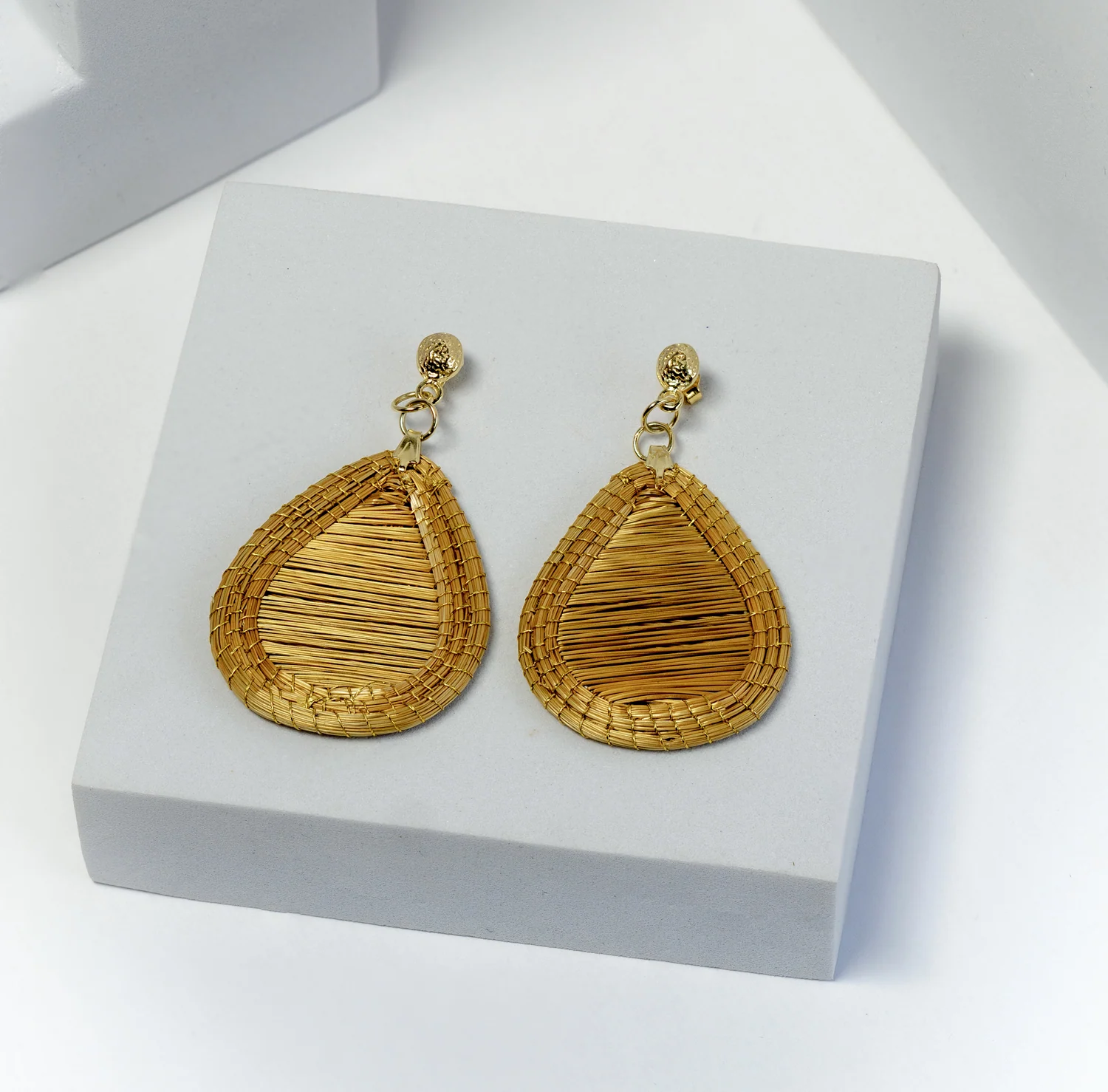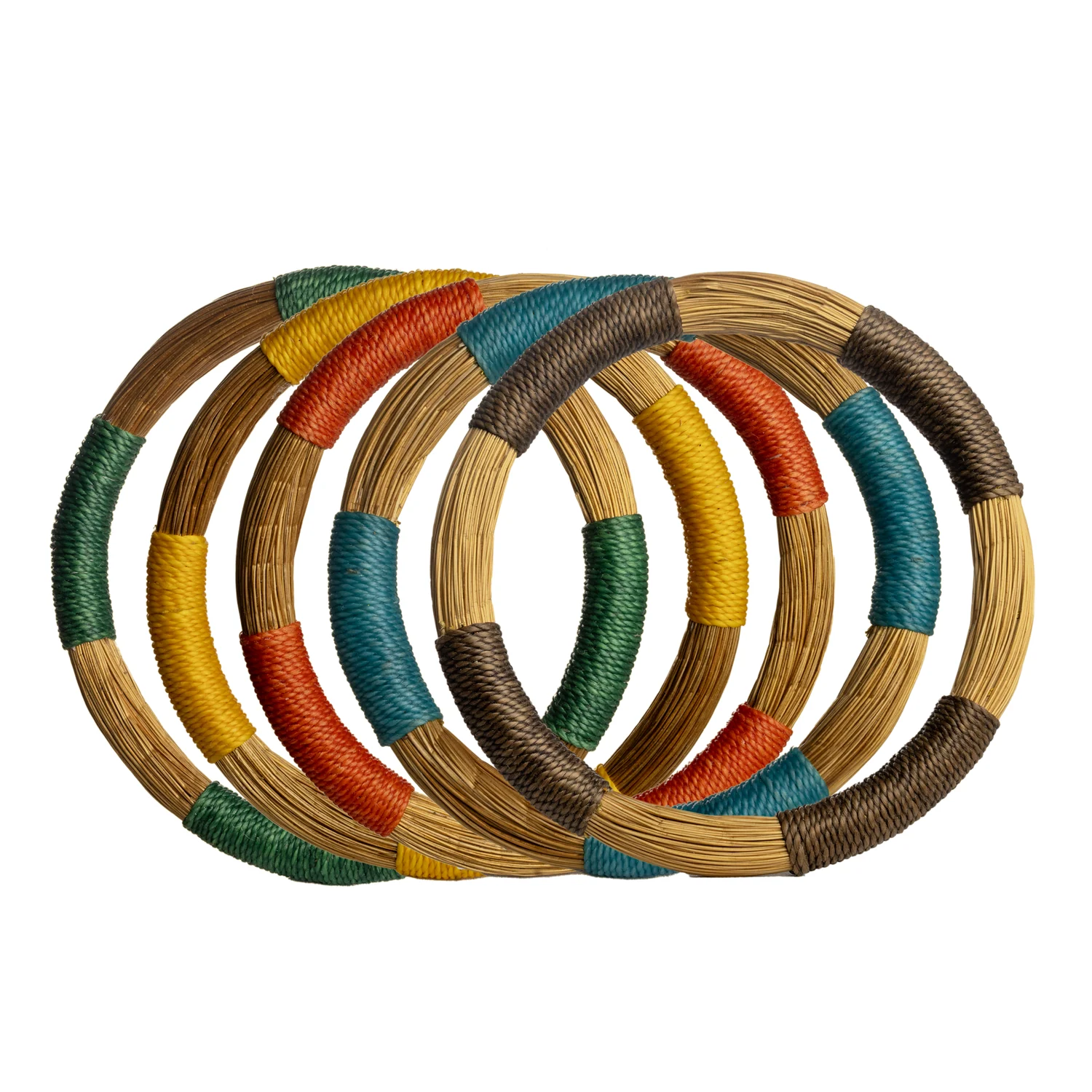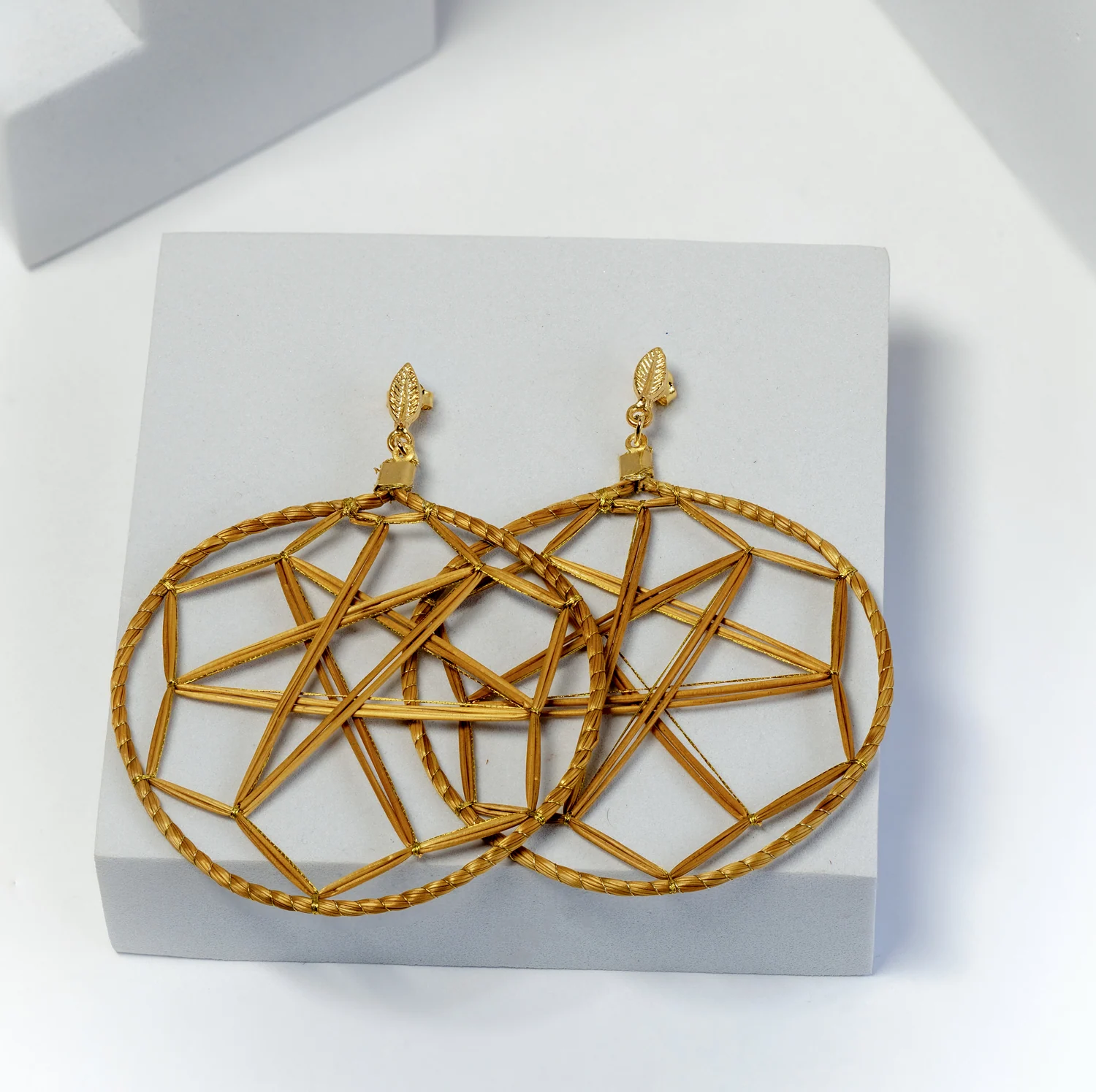
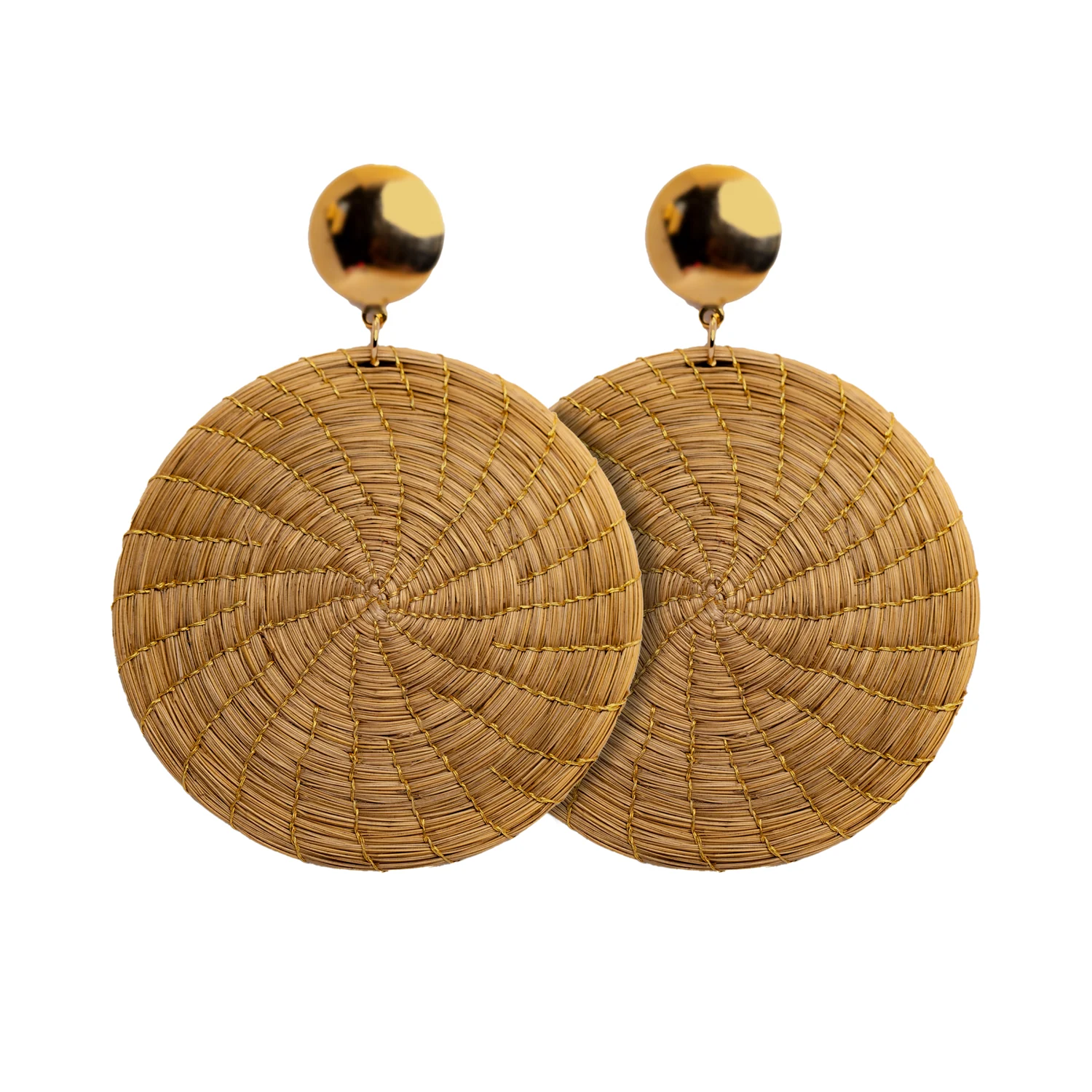
A pop-up can become a miniature version of the main shop, with every category competing for a little space. The result may be familiar to the buyer but difficult for a passing customer to understand. A temporary location benefits from a sharper question: what should someone recognise and be able to choose within this short visit?
Decide whether the event is introducing the shop, testing a collection or serving a particular buying occasion. Those purposes can overlap, but one should guide the edit. A collection chosen to answer a specific occasion is easier to explain than a selection assembled from whatever fits in the car.
At a glance
- Choose one clear purpose for the pop-up.
- Edit for the space, handling and actual event audience.
- Track transferred stock and review the event in context.
In this guide
- Read the actual event before selecting products
- Edit by role rather than by category count
- Make the presentation portable and repeatable
- Keep temporary stock visible to the main shop
- Collect observations that answer your original question
Read the actual event before selecting products
Confirm the space, access, furniture, selling hours and practical facilities with the organiser. Ask how visitors will encounter the stand and what information is available about the event. Avoid building a forecast from an unsupported promise that the audience is “perfect for artisan products”. Use the details you can establish.
Think about how customers will carry their purchases away. A piece that works beautifully in your permanent shop may require a different packing routine at a temporary location. Consider whether you have room to explain, wrap and hand over the item while another customer browses. This is an assortment constraint, not merely a packaging detail.
Edit by role rather than by category count
Choose a small group that introduces the collection, another that gives customers meaningful options and a few distinctive pieces that deepen the story. The exact number depends on the available space and your purpose. Avoid including a product solely to ensure every category is represented.
For a hypothetical event, a retailer might compare a focused twelve-reference edit with a broader twenty-four-reference edit. The larger selection is not automatically better. If it halves the space available to each piece and doubles setup complexity, the additional choice needs a clear customer reason. These figures illustrate a decision exercise, not a recommended stock quantity.
Make the presentation portable and repeatable
| Pop-up task | Prepare before departure | Check at the venue |
|---|---|---|
| Explain the assortment | A short collection statement and accurate labels | Readable from the customer position |
| Show the products | A photographed trial setup | Stable placement and room to handle items |
| Complete a purchase | Confirmed payment and receipt process | The process works in the actual location |
| Pack the sale | Suitable presentation and protective materials | A clear working surface |
| Reconcile stock | A transfer list by exact reference | Separate sold, held and remaining quantities |
Rehearse the setup using the real footprint. Photograph the arrangement and number packing containers so the team can rebuild it without a long discussion. Keep the trial honest: include the payment area, wrapping materials and spare stock, not just the attractive front display.
Keep temporary stock visible to the main shop
Record what leaves the permanent location, including display units. Decide how that transfer affects online availability and communicate the rule to colleagues. A piece cannot be confidently promised in two places simply because the pop-up lasts only one day.
During the event, record sales by the exact reference and variant. Keep damaged or uncertain items separate. When stock returns, reconcile the transfer, sales, holds and physical count before putting everything back on the shelf. This closes the event operationally and gives the buyer a dependable basis for review.
Collect observations that answer your original question
If the purpose was to test a collection, note which details attracted questions and which information customers needed before deciding. If the purpose was to introduce the shop, record what helped explain its identity. Avoid claiming that everyone who paused was a potential buyer or treating one unusual conversation as a market trend.
Record the event context: actual selling hours, presentation changes and any interruptions. Compare the outcome with the work and stock committed, using your own figures. A brief factual review is more useful than deciding that pop-ups always work or never work after one occasion.
Build a purposeful edit from Toodobem’s collections and clarify product or packing questions through the trade contact page. The most useful pop-up leaves you with a clear stock position and a better understanding of how this collection meets this audience.