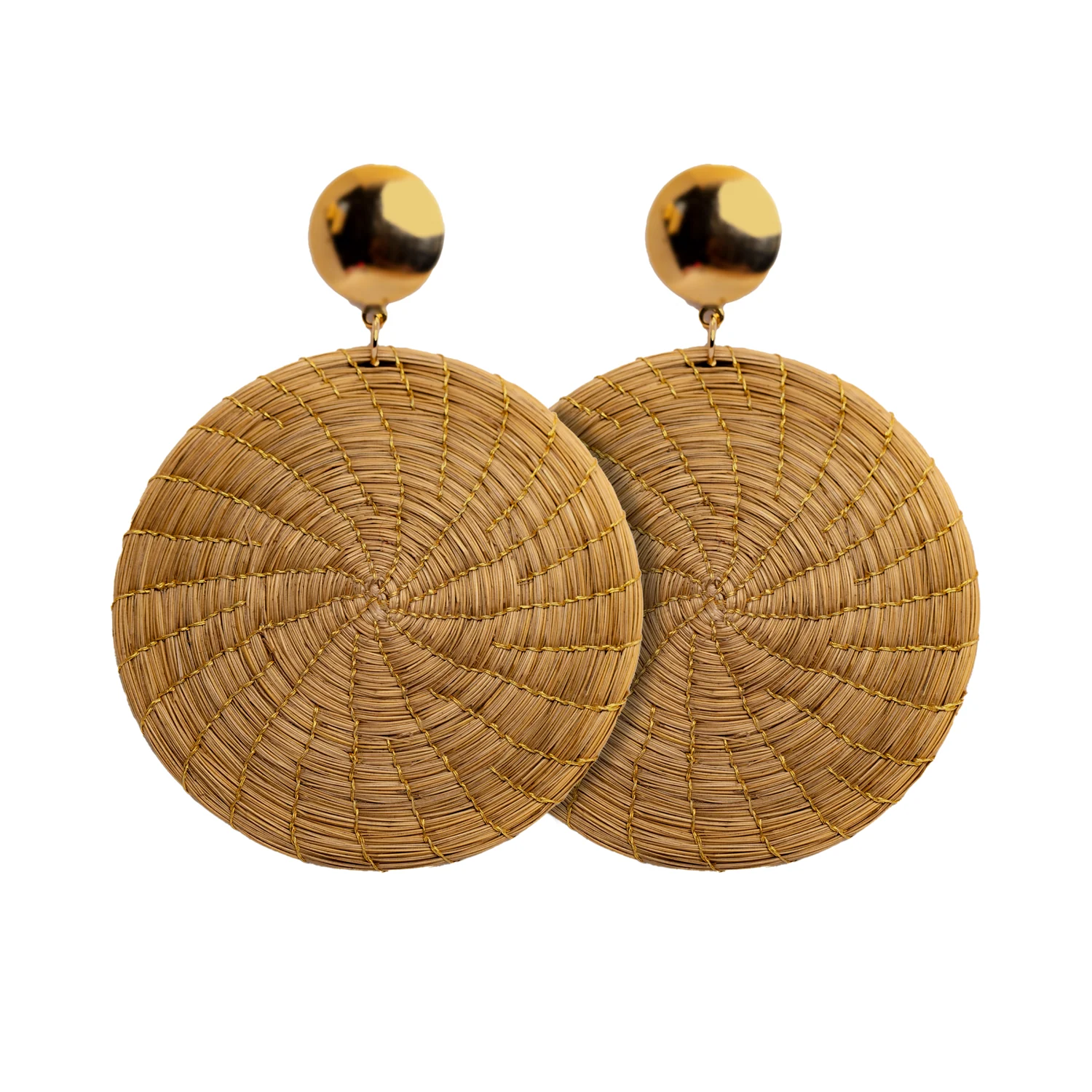
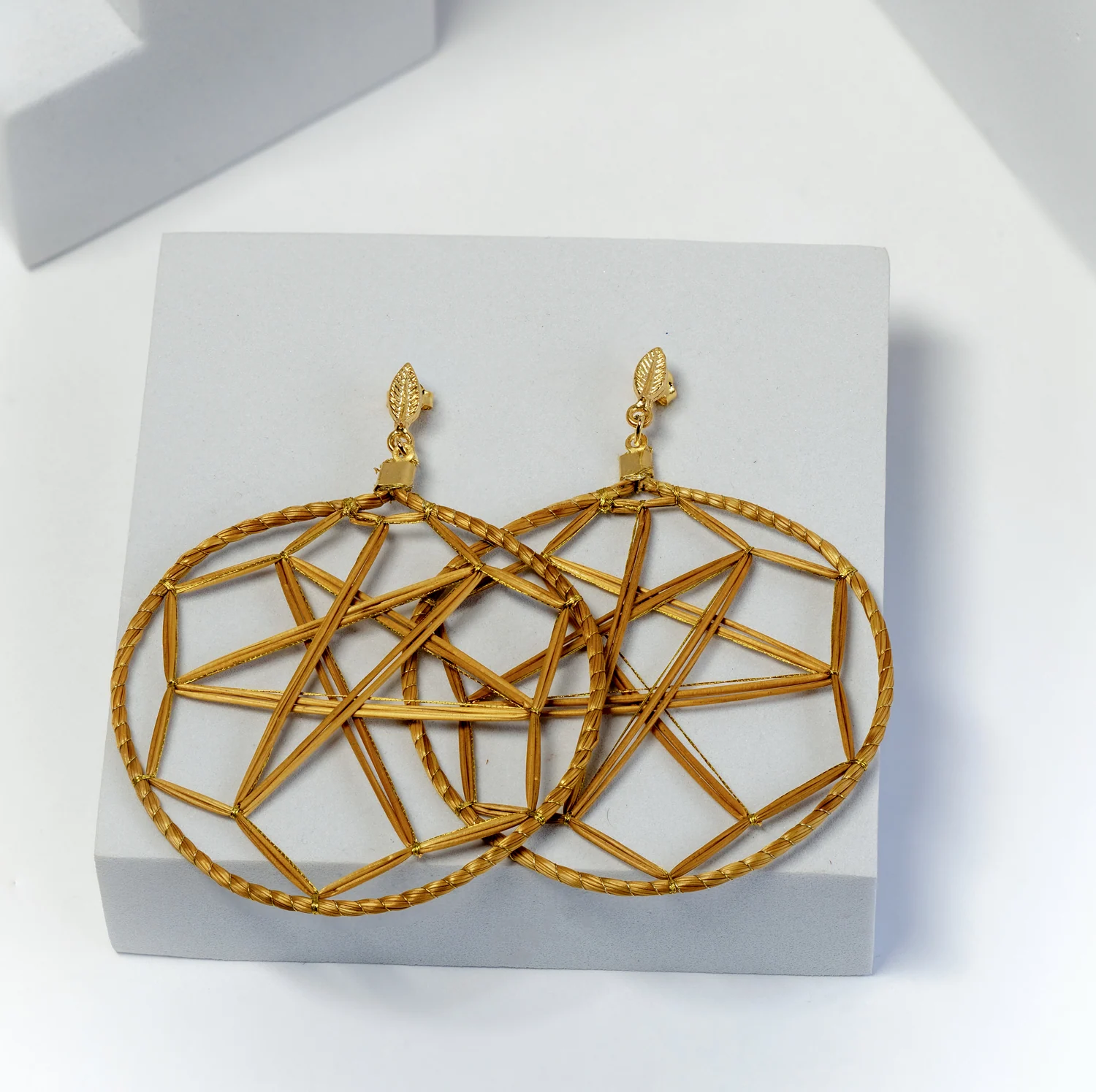
A beautifully wrapped purchase can still move around inside its box. A decorative ribbon can press against a delicate detail, while an oversized package can make a small object difficult to locate. Packaging should begin with how the product needs to be supported, then develop into a presentation the customer enjoys opening.
Separate the tasks the package must perform. It may hold a pair together, prevent components from rubbing, make carrying easier or provide a clear place for care information. Identify those jobs before selecting colours and finishes. The most attractive option is useful only if it works for the object and the shop.
At a glance
- Choose protection around the actual product and its components.
- Test the complete packing routine before launch.
- Keep packaging claims as precise as product claims.
In this guide
- Start with the complete product
- Give each layer a reason
- Run a realistic packing rehearsal
- Distinguish carrying home from shipment
- Keep the story and claims accurate
- Make the routine easy to maintain
Start with the complete product
Measure the item in the position in which it will be packed, including fastenings, handles or projecting details. Consider how it can be placed and removed without forcing those components. Use the confirmed product guidance when deciding contact materials or storage arrangements, and ask the supplier about anything unresolved.
Do not assume that one jewellery box suits every earring or that a pouch provides enough support for every small decorative piece. Group products by their actual packing requirements. A modest number of well-chosen formats can be easier for staff to use than a single format that requires improvisation at every sale.
Give each layer a reason
| Packaging element | Question it should answer | Practical check |
|---|---|---|
| Product support | What keeps the piece in a suitable position? | No forced bending or pressure on details |
| Separation | Which components should not rub together? | Pieces remain distinct when packed |
| Outer presentation | How is the customer carrying or giving it? | The package closes and can be handled clearly |
| Information | What should remain with the object? | Care card and product name are easy to find |
Remove a layer if you cannot explain its purpose. This is an editing discipline, not an environmental performance claim. A smaller number of components may make your own packing routine simpler, but it does not establish that a package is sustainable, recyclable in every location or suitable for every product.
Run a realistic packing rehearsal
Pack actual representative pieces using the proposed materials. Let a colleague who did not choose the packaging follow the instructions. Watch where they need to guess, press or rearrange. Then unpack the product and check whether the process is clear and whether the item remains properly presented.
A hypothetical shop comparing two box sizes might find that the smaller one closes only when an earring hook is pushed sideways. The larger one fits but allows the pair to move. The answer is not necessarily to choose between those two unchanged options. Reconsider the support or another format and repeat the handling check. This is a practical rehearsal, not a certification or a guarantee of transport performance.
Distinguish carrying home from shipment
A gift box selected for a shop purchase may need additional protection for a parcel. Treat shipment packing as a separate process with the relevant carrier guidance and the product’s requirements. Do not label presentation packaging “shipping ready” simply because it closes neatly.
For an in-store purchase, show the customer what is included and how the package opens. If extra wrapping is offered, make the arrangement clear before completing the sale. Avoid adding so much decoration that the product’s care information or identity disappears inside the presentation.
Keep the story and claims accurate
Use a concise maker or collection note where the information is confirmed. Keep it distinct from essential care instructions. The card should still make sense when the recipient did not visit the shop and does not have the receipt. Include a recognisable product name and your support route.
Check any claims about packaging materials separately from claims about the object. Supplier information about one component should not become a statement about the whole package. If the evidence is incomplete, describe the actual format and function rather than decorating it with an unsupported environmental label.
Make the routine easy to maintain
Store packaging instructions with the product record and keep a packed sample or clear reference photograph for staff. Review the fit when a product dimension or component changes. Include packaging availability in launch preparation so a collection is not ready on the shelf but difficult to hand over.
Check the relevant products in Toodobem’s catalogue and ask which product-specific handling details are available. Packaging succeeds when the customer can carry, open and understand the purchase easily, with the object still at the centre of the experience.