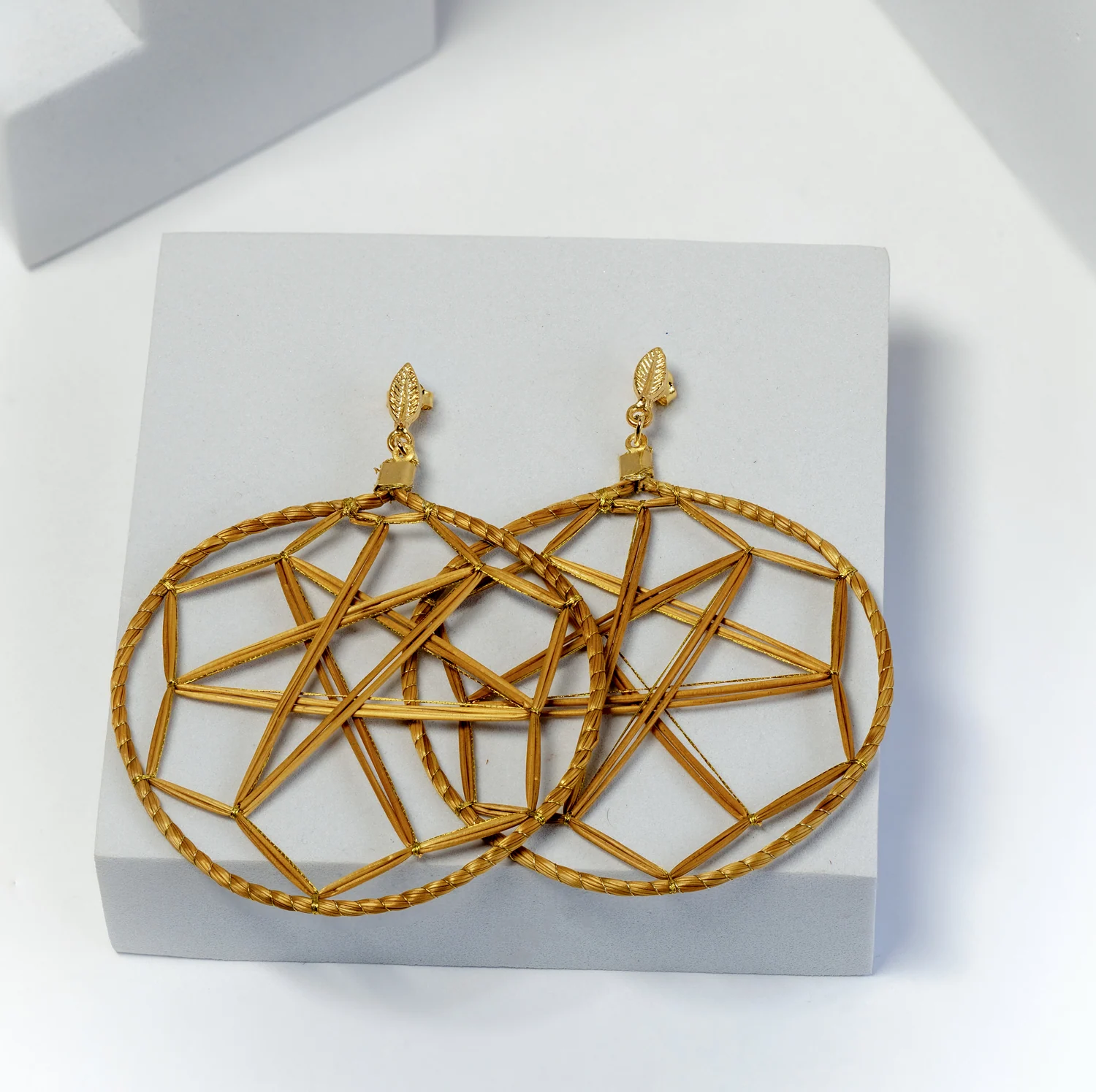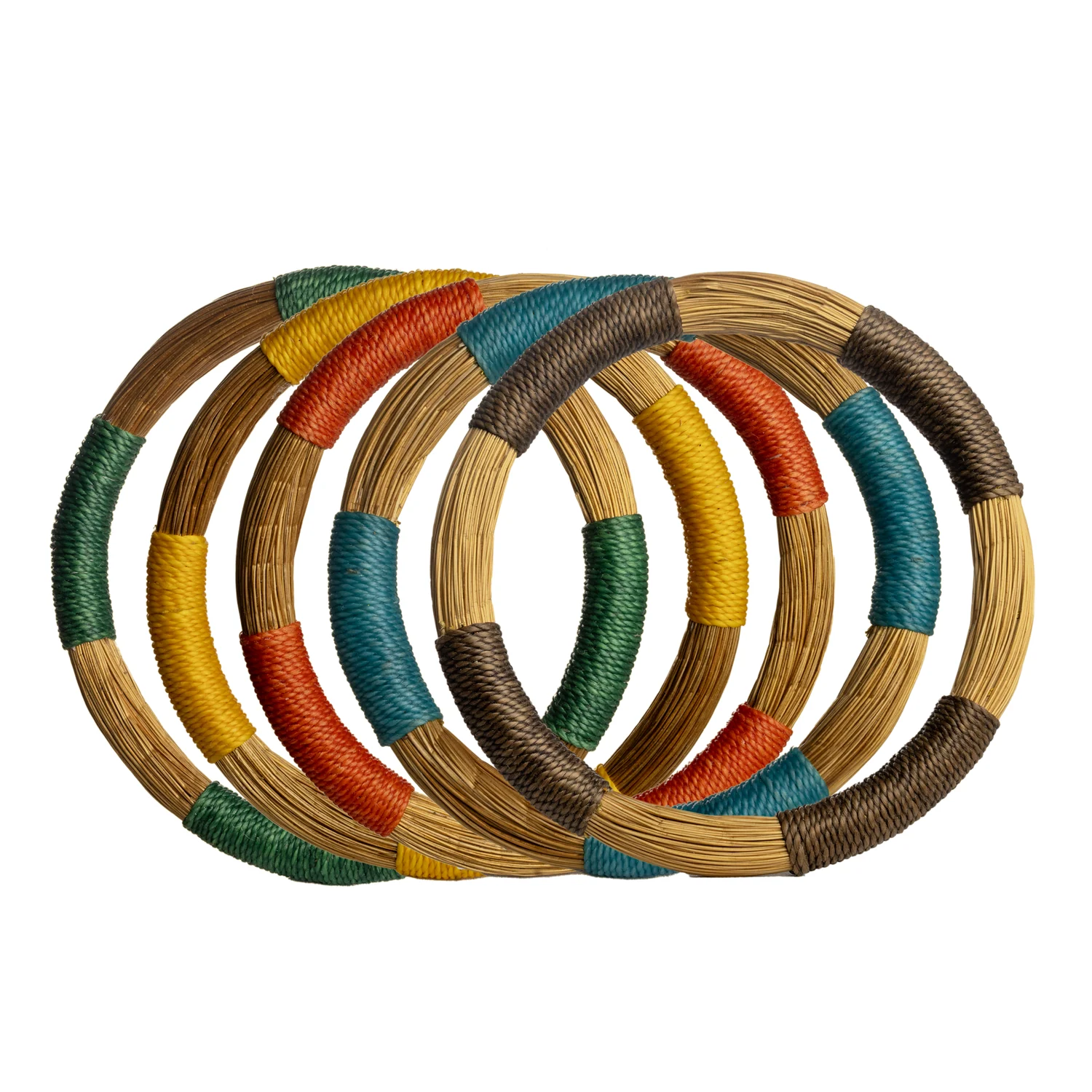

A guest admires an object in the lobby and asks whether it is for sale. Reception knows there is a similar piece in the shop, but cannot confirm the size, price or who should arrange the purchase. The opportunity has exposed a gap between the hotel’s visual identity and its retail operation.
Build the assortment and the handover together. A hotel shop needs a reason for the collection to belong in the property, but it also needs exact references, available stock and a straightforward purchase process. The guest should not have to understand the hotel’s internal departments to receive a clear answer.
At a glance
- Define whether the shop serves gifting, personal use or discovery.
- Separate retail products from property display inventory.
- Make product information usable by rotating guest-service teams.
In this guide
- Choose the shop’s purpose before the product mix
- Separate three kinds of objects
- Plan for the actual purchase moment
- A hypothetical reception handover
- Brief the people who meet the guest
- Review the shop as part of the property
Choose the shop’s purpose before the product mix
Decide which needs the assortment should serve. Guests may be looking for a gift, an object for personal use or a piece that connects with the property’s design. Treat those as hypotheses to test against your own guest questions and retail observations. Do not assume every visitor wants a souvenir or every purchase happens at departure.
Write a short buying brief that connects the chosen purpose to the property’s identity. A collection can complement the hotel’s architecture or material palette without pretending it was made locally. If Brazilian artisan products are part of an international design story, explain that story plainly and keep the origin accurate.
Separate three kinds of objects
| Object role | Record needed | Guest-facing clarity |
|---|---|---|
| Retail stock | Sellable reference, quantity and current retail information | What can be purchased now |
| Retail display sample | Its stock status and handling arrangement | Whether this exact piece or another unit is sold |
| Property furnishing | The hotel’s own asset or display record | Whether any related retail product is available |
A similar appearance does not mean two objects have the same size, finish or purpose. If the hotel uses a larger decorative piece and sells a smaller version, show the distinction. Do not let a lobby photograph become the only product information for the retail item.
Plan for the actual purchase moment
Observe when the shop is staffed and when guests ask about products. Agree who can answer basic questions, locate stock and complete the approved payment or receipt process. If purchases may be handled through more than one department, ensure each route updates the same inventory correctly.
Check the packing workflow. A guest buying a small accessory may need a different presentation from someone choosing a larger home object. Explain dimensions and the packaging included, and avoid promising travel suitability or delivery services that have not been established. If a requested service is available, confirm its arrangements before offering it.
A hypothetical reception handover
Imagine a guest asks about a decorative object after the shop has closed. Reception has a short reference sheet with an accurate product image, dimensions, the retail contact and a clear procedure for recording the enquiry. The colleague can explain what is known and arrange the next step without taking an unverified item from a display.
This scenario describes a proposed workflow, not a service offered by Toodobem or any hotel. Its value is the limited, reliable answer: the guest knows which product is being discussed and who will confirm the purchase details. A warm response remains useful because the facts behind it are organised.
Brief the people who meet the guest
Give relevant colleagues the collection’s short story, confirmed material information and a route for questions they cannot answer. Include what should not be assumed, such as local origin, exclusivity or a particular care method. The same approved wording should appear in the shop, any room information and the relevant digital page.
Keep the briefing compact enough for rotating teams to use. A staff member does not need an entire catalogue to identify three commonly discussed objects. They need the correct reference and the confidence to check further details before making a promise.
Review the shop as part of the property
Record product questions, sales and operational friction. Look for specific improvements: clearer labels, a better stock location or a reception reference that needs updating. Review whether the assortment still supports the property’s intended experience.
Explore Toodobem’s collections alongside your hotel buying brief and use the trade contact page to resolve product questions. A hotel assortment succeeds when the object, its story and the practical purchase all feel like part of one coherent stay.