An artisan object can be beautiful and still lack a convincing place in a museum shop. The buying question is not simply whether it looks appropriate beside the exhibition poster. It is whether the shop can explain why this object belongs in the visitor’s experience, using a connection that is accurate and meaningful.
Start with the institution’s programme and editorial priorities. A collection might relate to material, form, making, a documented cultural subject or a broader design enquiry. Write that relationship in one plain sentence before choosing the assortment. If it depends on a vague resemblance, develop the idea further or choose a different line.
At a glance
- Write the curatorial connection before selecting quantities.
- Keep product origin distinct from exhibition interpretation.
- Plan for visitors with different interests and carrying needs.
In this guide
- Define the connection with the relevant team
- Choose an assortment that answers several kinds of interest
- A hypothetical exhibition edit
- Make interpretation usable at the point of choice
- Plan the operational details before launch
Define the connection with the relevant team
Invite the appropriate museum colleague to review the proposed interpretation. The buying team may understand the commercial role, while a curator or learning colleague can check how the wording relates to the programme. Decide who approves exhibition references, object comparisons and any use of institutional images or names.
Keep the retail object distinct from the collection object. Do not imply that a contemporary product is a reproduction, an authorised interpretation or part of a historical tradition unless the evidence and permissions support that description. A thoughtful comparison can remain a comparison, with its limits clearly expressed.
Choose an assortment that answers several kinds of interest
Some visitors may want to continue learning about a material; others may be choosing a gift or remembering a particular visual detail. Treat these as working customer needs to investigate in your own shop, not universal facts about museum visitors. Build options around the needs you can observe and the institution’s retail purpose.
| Possible visitor interest | Buying question | Information needed |
|---|---|---|
| A making process | Does the object reveal a documented technique? | Accurate process and maker description |
| A visual idea from the visit | Is the connection clear without exaggeration? | Approved interpretive wording |
| A meaningful gift | Can the recipient understand its context? | A concise, useful story card |
| An object to carry home | Does its size and packaging fit the visit? | Dimensions and packing requirements |
A hypothetical exhibition edit
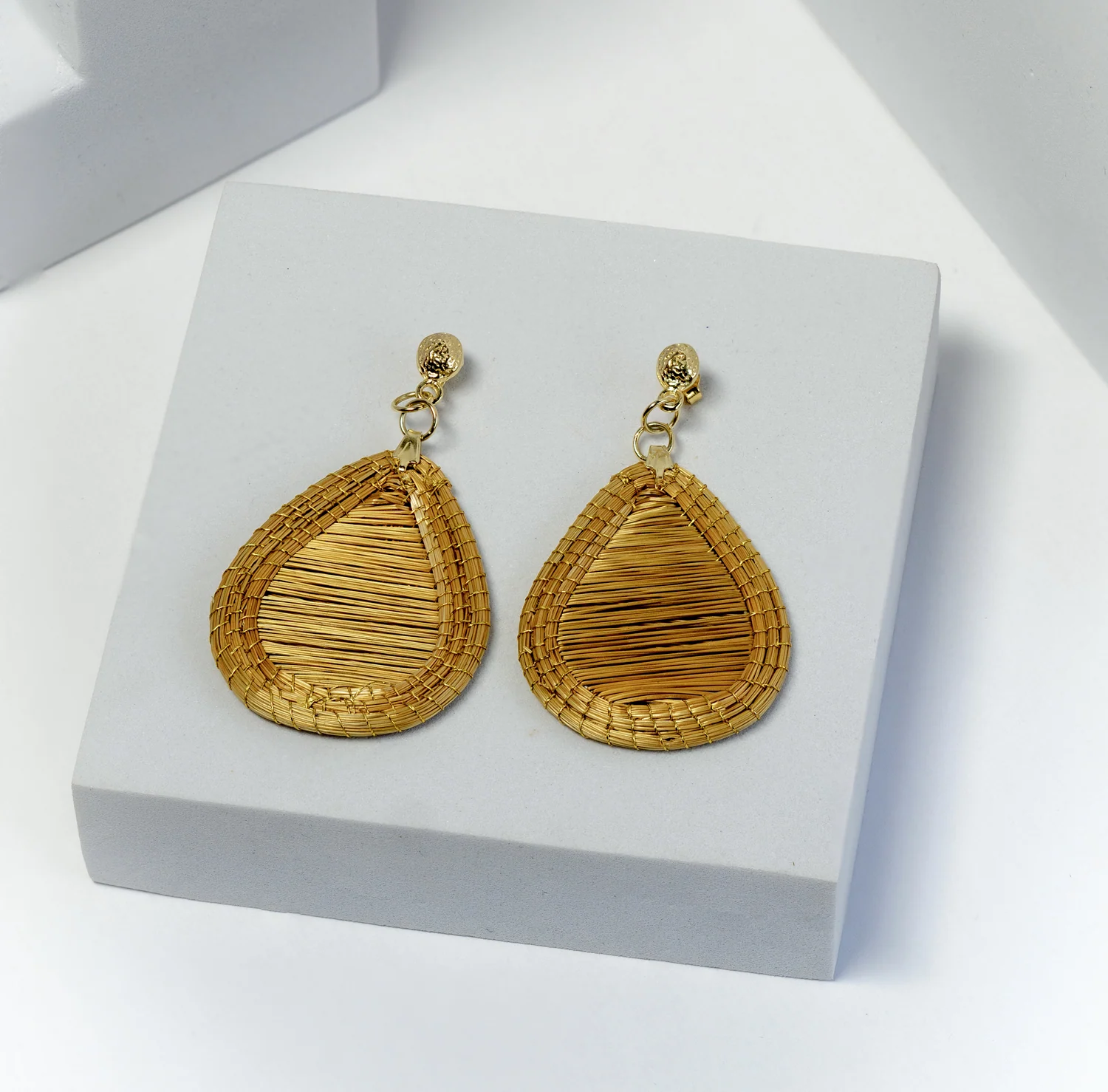
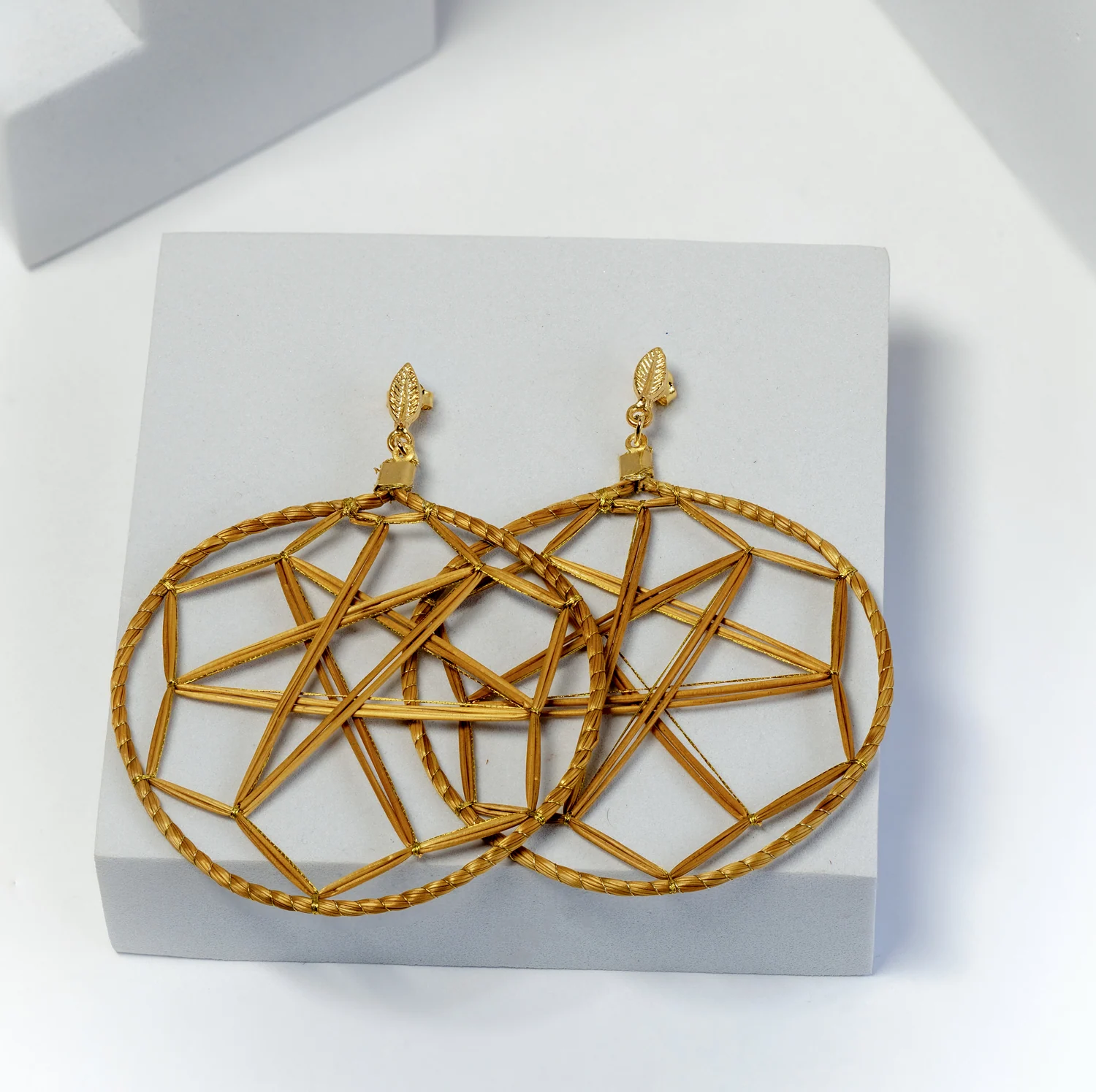
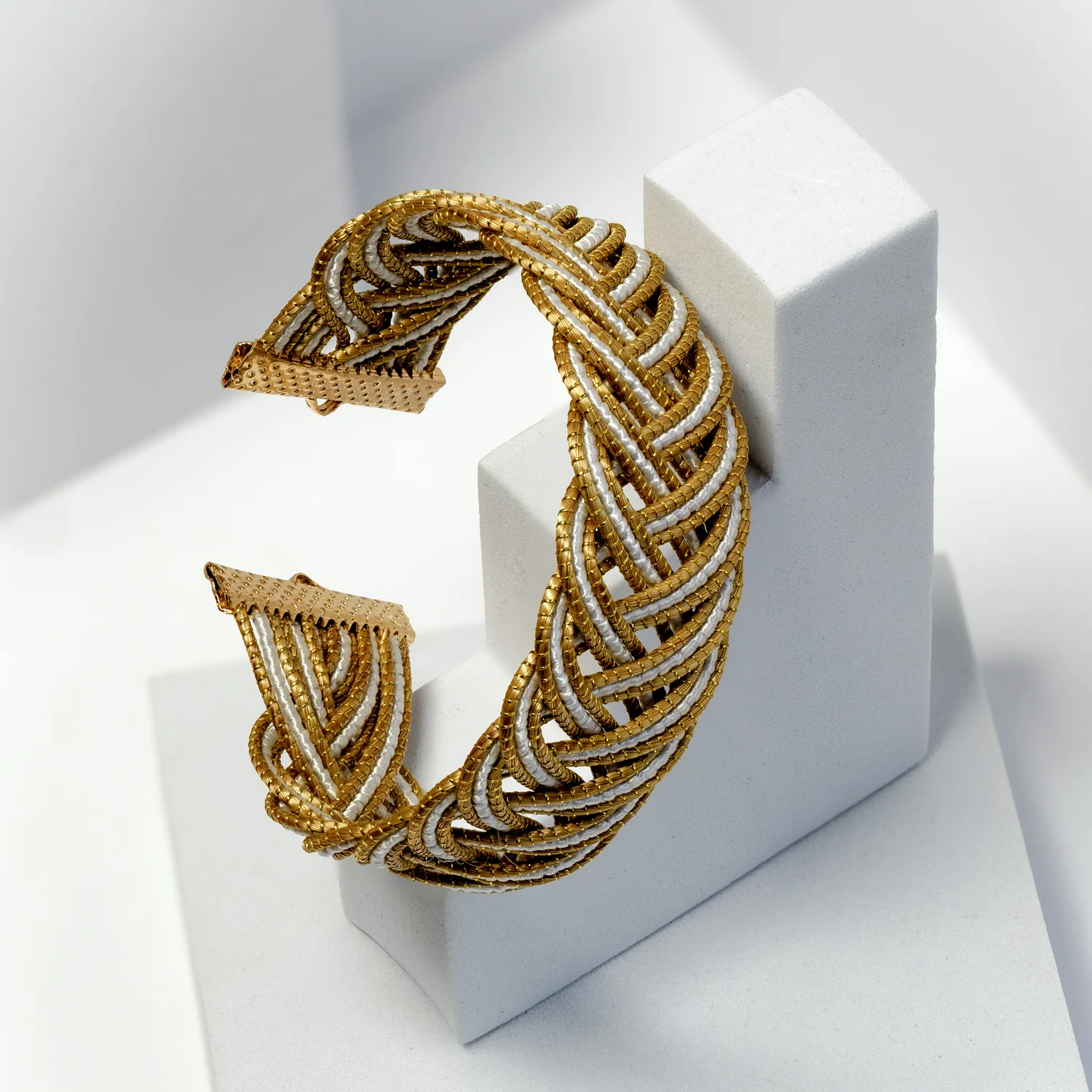
Imagine an exhibition concerned with rhythm and repetition in design. The shop considers a small group of artisan accessories whose documented construction creates visible repeated patterns. The editorial connection can focus on looking: how a repeated unit changes the outline or texture of an object.
That does not establish a historical relationship between the products and the exhibition’s works. The shop should not invent one. A short label can invite the visitor to notice the visual principle while separately providing the verified origin and maker information. The example is an editorial exercise, not a claim about any current Toodobem collection or museum partnership.
Make interpretation usable at the point of choice
Write a short collection introduction and keep individual product facts close to the items. A visitor should be able to identify the material, dimensions, intended use and relevant care without reading a long wall text. Put deeper context on an accessible page or printed piece where the institution’s format allows it.
Keep language precise and respectful. Identify the maker and their preferred description when available. Avoid treating Brazilian craftsmanship as one anonymous style or using a broad national story to fill a product-specific information gap. A smaller documented account gives the visitor something reliable to take away.
Plan the operational details before launch
Check display security, handling, packing and storage with the shop team. If several colleagues rotate between visitor services and retail, give them a concise product briefing and a clear route for questions. Agree how stock held for events or institutional use is recorded so it remains distinct from customer availability.
Set a review date that fits the exhibition and the product’s intended role. A line selected for a temporary programme needs a plan for the end of that programme. A line chosen for the permanent shop should be assessed against that longer purpose, with presentation and information updated as the programme changes.
Explore Toodobem’s artisan information and collections with the proposed curatorial sentence beside you. The strongest museum-shop selection gives the visitor a clear reason to look more closely, and it carries that reason honestly from the exhibition into the object they choose.