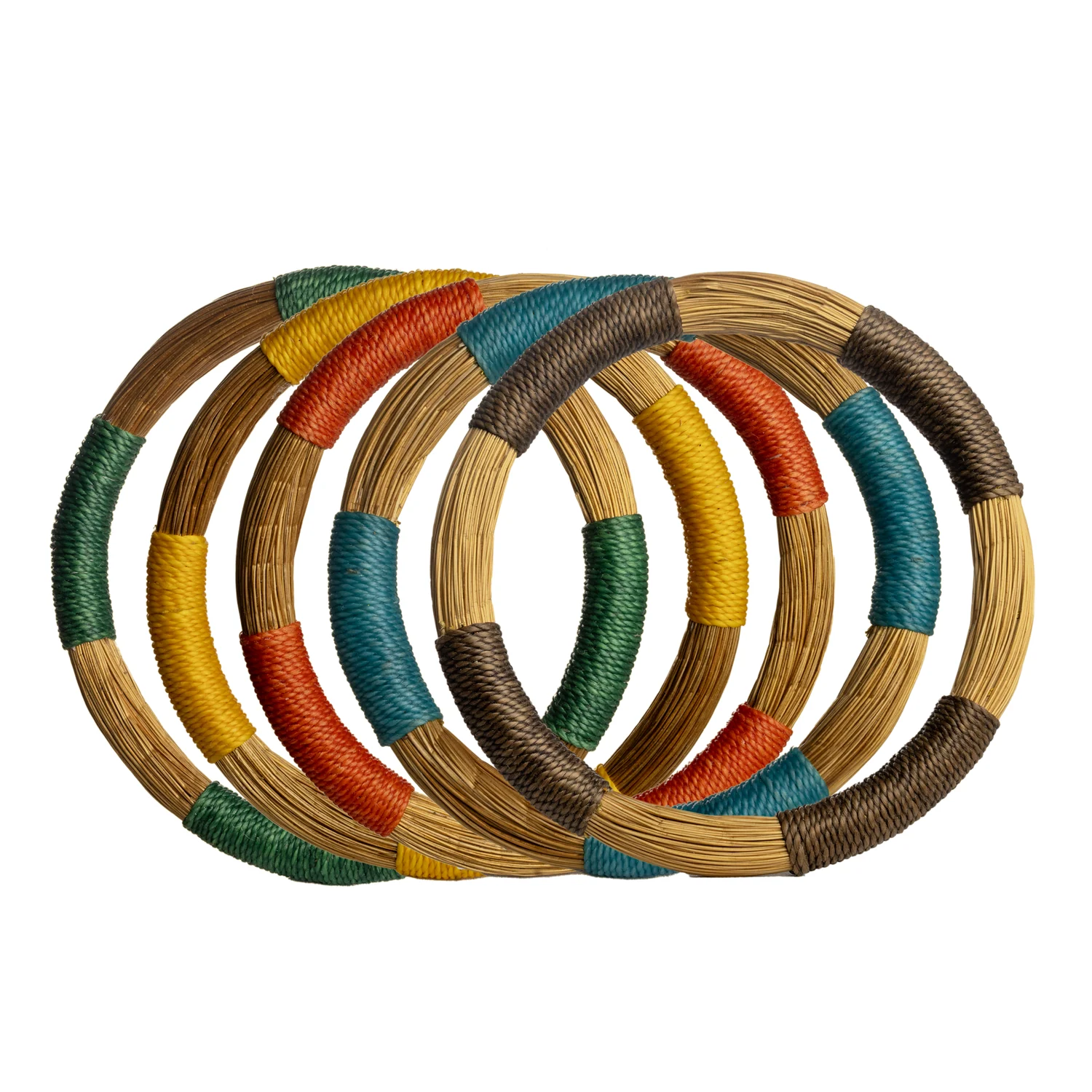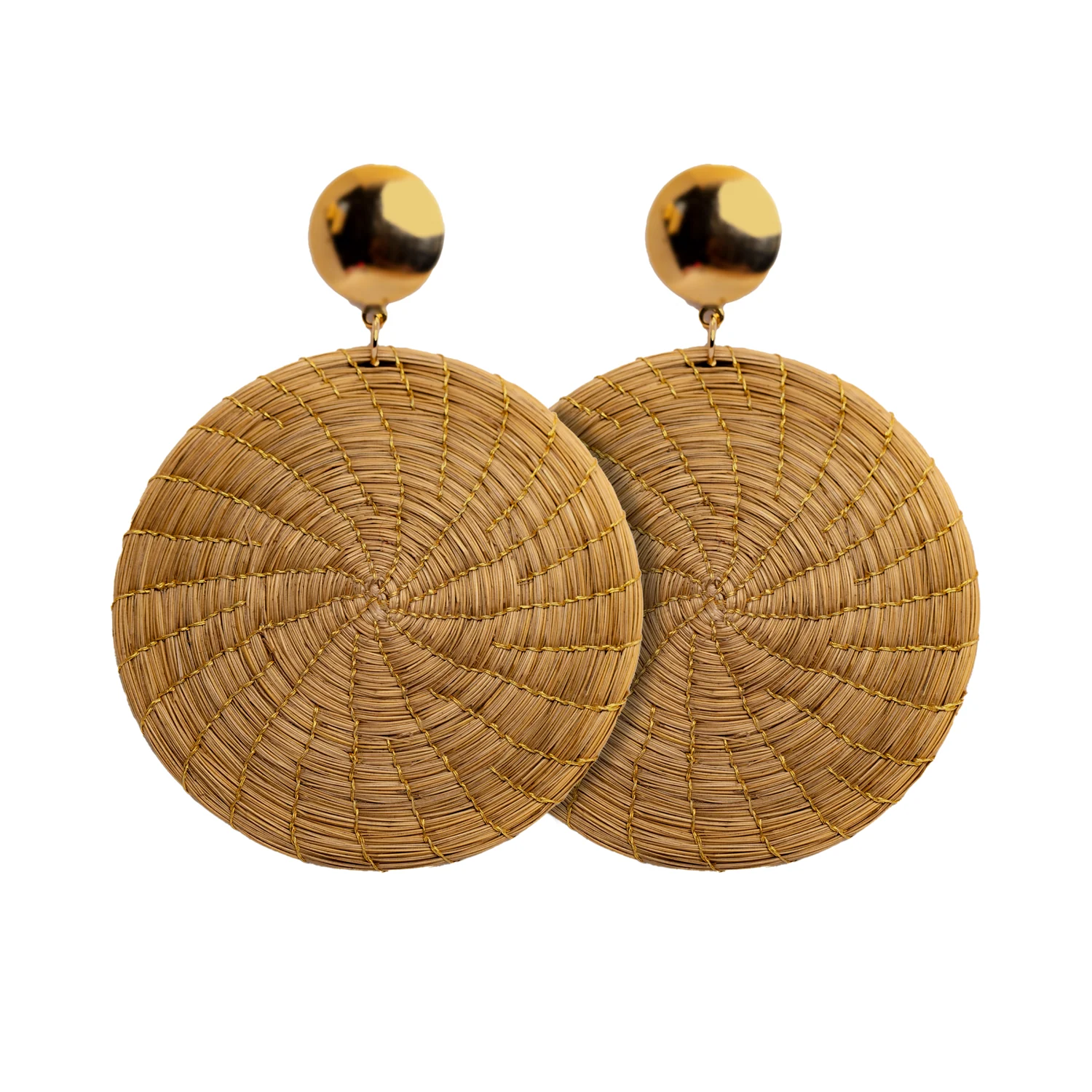
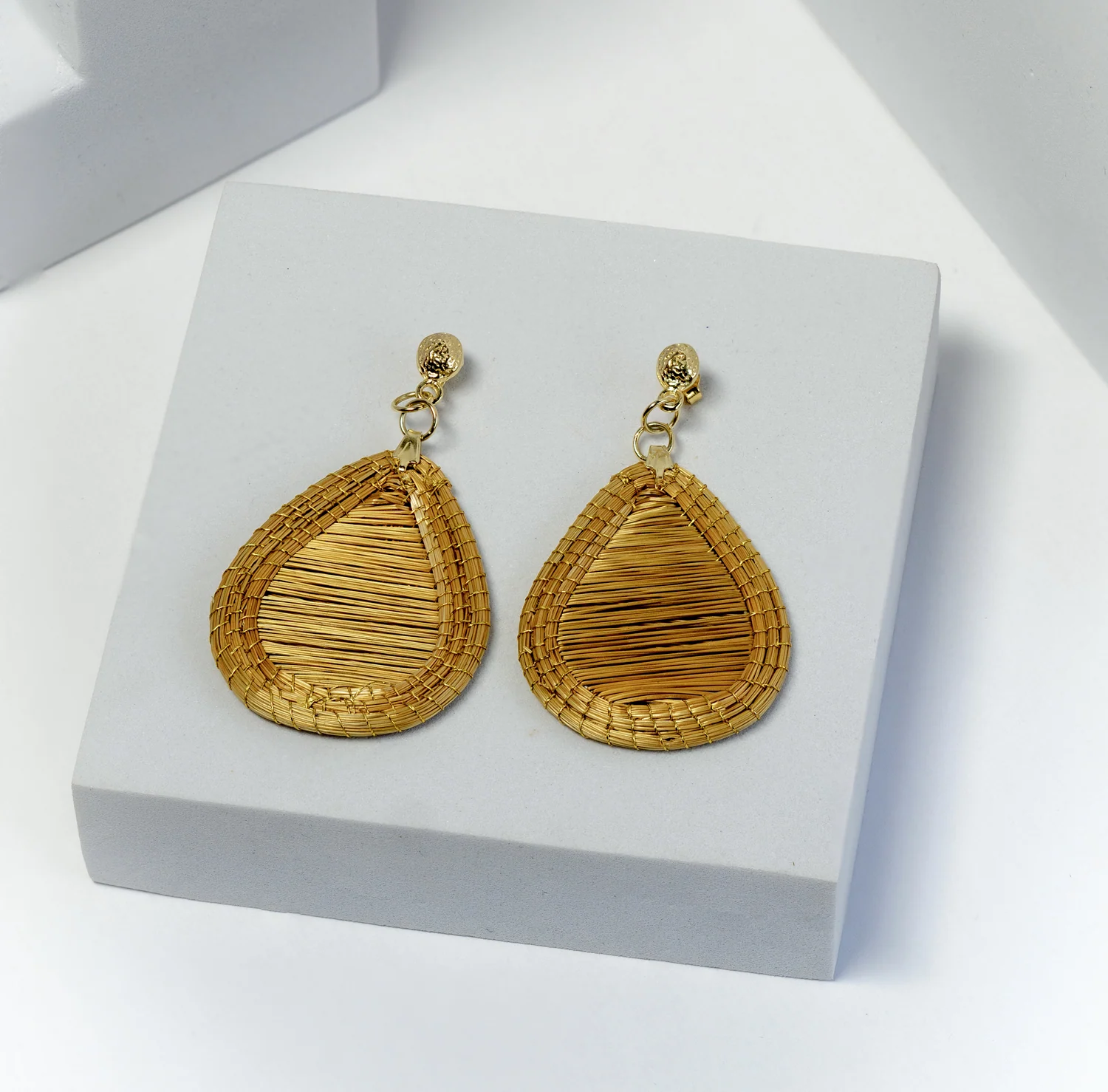
A product bought for a seasonal gift display may still deserve a place in the shop after the event has passed. The question is whether its appeal depends on the occasion or whether the occasion simply gives customers a reason to notice it. A useful year-round gift selection begins with the second kind of product.
This does not mean buying only neutral objects or avoiding expressive design. It means selecting pieces that have a clear recipient and purpose without requiring a particular date to explain them. Their presentation can change while their underlying reason to be chosen remains intact.
At a glance
- Choose products for a recipient and use, not only a calendar event.
- Offer meaningful differences in scale, style and commitment.
- Keep seasonal presentation separate from the permanent product identity.
In this guide
- Think in recipient preferences
- Consider the information the giver needs
- Build a range of commitments
- Keep the core independent of seasonal wording
- Check the practical experience of giving
- Review gifts by role, not only by season
Think in recipient preferences
Start with how the intended recipient chooses objects. Do they favour compact accessories, sculptural shapes, subtle texture or stronger colour? These preferences are more useful buying guides than broad labels such as “gifts for everyone”. No single design needs to suit every person.
Create a small number of recognisable routes through the selection. A customer might choose a quiet everyday piece, an expressive accessory or a decorative object with a strong material presence. Each route should lead to a manageable comparison rather than an overwhelming list of possible references.
Consider the information the giver needs
A gift buyer may know the recipient’s taste but not their exact preferences about size, fastening or care. Choose products whose relevant details you can explain clearly. Where a choice depends on personal fit or comfort, acknowledge that limitation rather than presenting the item as universally suitable.
For jewellery, record complete dimensions and the actual fastening type. For a decorative object, clarify intended use and placement. A piece can be attractive as a gift while still requiring a specific question to establish whether it suits the recipient.
Build a range of commitments
Offer differences that match how much the giver wants to choose and spend. An approachable piece may be easy to select as a small gesture. A more expressive object may suit a customer who knows the recipient well. The distinction concerns the buying decision, not a hierarchy of how meaningful a gift can be.
| Gift role | Selection question | Useful product information |
|---|---|---|
| Small gesture | Is the choice easy to understand? | Clear use, dimensions and presentation |
| Personal selection | Does it reflect a known preference? | Shape, colour and relevant fit details |
| Expressive centrepiece | Does the giver know it suits the recipient? | Scale, placement and care requirements |
| Companion purchase | Does it relate to something already chosen? | Compatibility without implying a required set |
Keep the core independent of seasonal wording
A hypothetical shop might present the same textured accessory as a birthday choice, a thank-you gift or part of a festive table. The product’s material, dimensions and identity remain the same. Only the occasion-led introduction changes.
Avoid giving permanent references names or descriptions that make them difficult to present outside one event unless that limitation is intentional. Seasonal packaging can provide emphasis, but consider whether unused packaging will still be useful afterwards. Keep its cost separate when evaluating the merchandise itself.
Check the practical experience of giving
Confirm what packaging is actually included and what the shop must provide. Make sure the presentation protects the product appropriately and does not hide essential care information. Do not assume a box, pouch or gift-ready format is part of a wholesale offer unless it appears in the current specification.
Know the shop’s applicable exchange process and communicate it accurately through the normal retail channels. The gift selection should not depend on staff improvising a promise at the moment of sale. This is an operational preparation task, not a claim about any supplier’s terms.
Check whether the gift remains understandable after the wrapping is removed. The recipient should be able to identify the product and find its relevant care information. A short, accurate material note can add context, provided it describes the actual piece rather than a general story borrowed from another collection.
Review gifts by role, not only by season
After an event, examine which recipient preferences and buying routes attracted interest. A compact design may deserve a permanent place even if its seasonal display has ended. A more specific motif may be better held for a relevant occasion, subject to the shop’s stock plan.
Use the Toodobem catalogue to build a gift shortlist with clear roles. The aim is a range whose usefulness survives a change of calendar: distinctive products, understandable choices and enough accurate information for a giver to select with confidence.