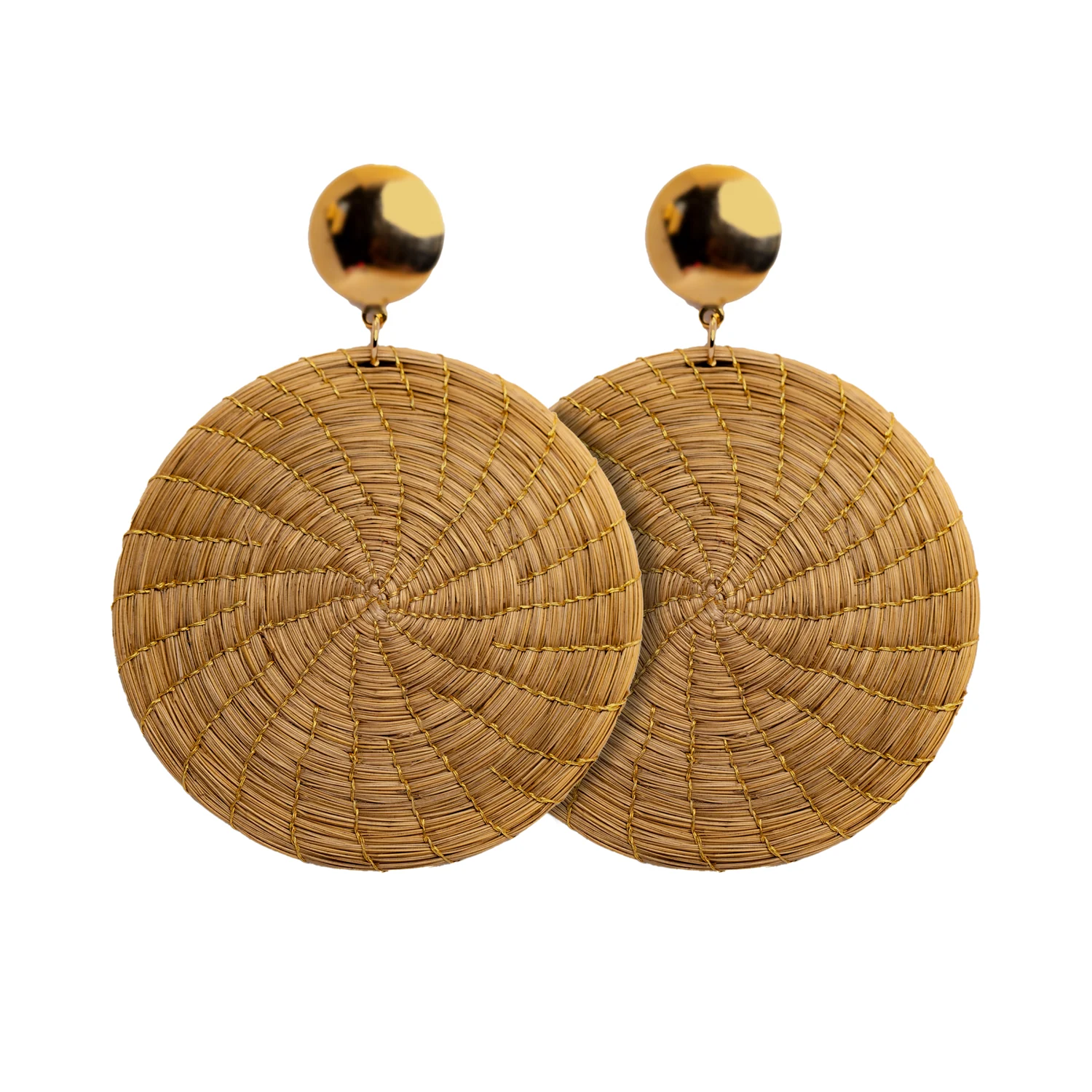
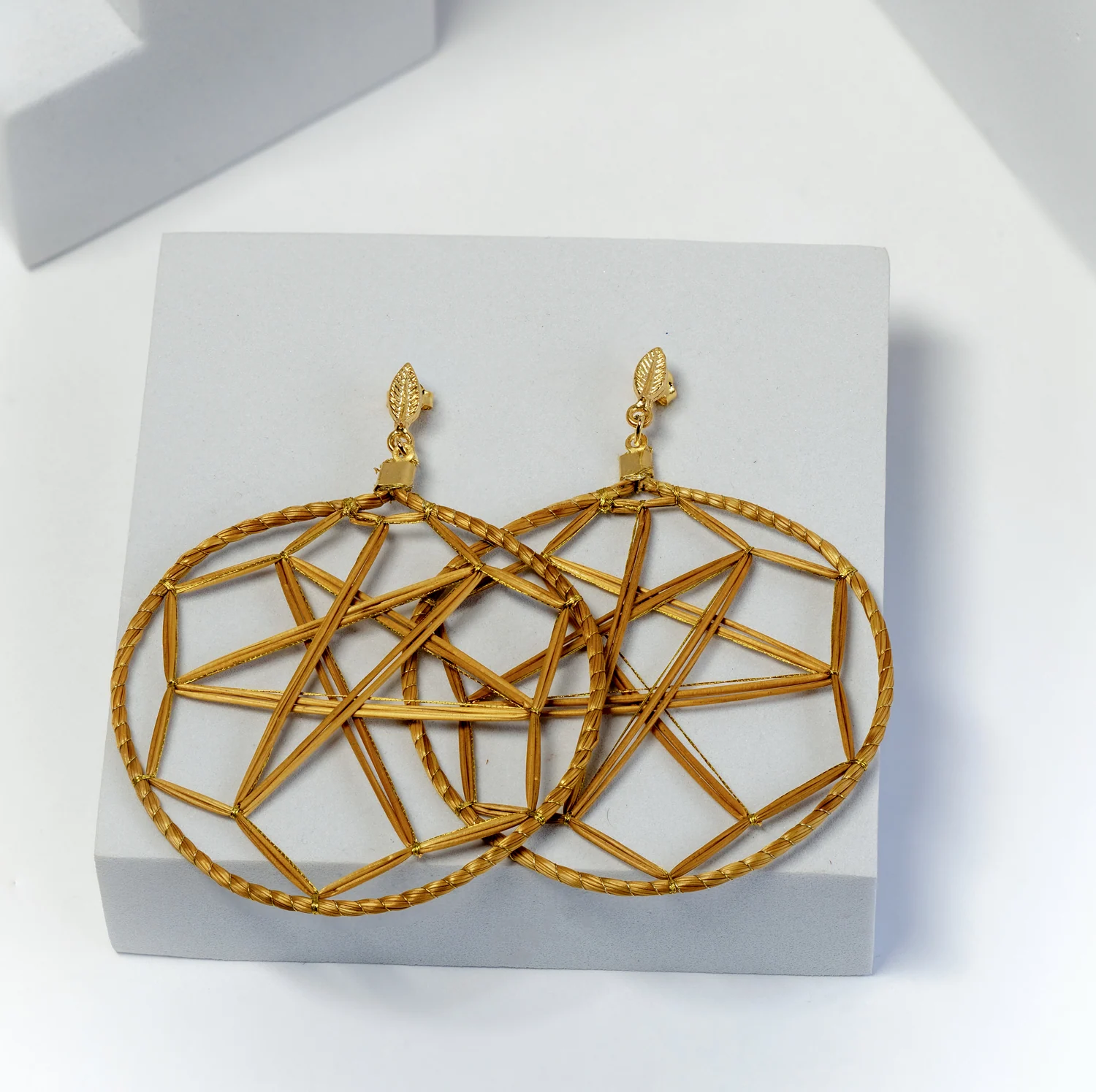
A natural fibre collection can arrive looking carefully arranged and gradually lose that order behind the counter. Pieces become nested too tightly, jewellery tangles with display cords, and the last available shelf sits beside a bright window. Preventing these situations is easier when care is part of the buying plan rather than a reaction to visible damage.
At a glance
- Plan storage around the object’s shape and vulnerable details.
- Use supplier guidance for the complete mixed-material product.
- Separate routine prevention from cleaning or repair decisions.
In this guide
- Begin with space and access
- Keep a route clear from storage to display
- Make care guidance match the whole object
- A useful weekly stock walk
- When something looks wrong, stop improvising
- Design the display with care in mind
Begin with space and access
Allocate a place for the largest proposed item before placing the order. Consider its full shape, including loops, handles and projecting decoration. Staff should be able to retrieve one piece without pulling several others along with it. A shelf that technically holds the quantity may still be unsuitable if every retrieval involves compression or snagging.
The Canadian Conservation Institute’s basketry guidance identifies crowding as a source of deformation and breakage, and treats light exposure as cumulative damage. These are conservation principles for collections, not a product-specific cleaning recipe for retail stock.
For a boutique, turn those principles into modest practical decisions. Avoid using a bright window as the default reserve-stock location. Do not force flexible pieces into a box simply because they fit when compressed. Ask the supplier whether any support or separation is recommended for the actual object.
Keep a route clear from storage to display
Think through the movement of a piece. Where is it unpacked? Where does it wait for pricing? Which surface receives it during a display change? Establish a clean, uncluttered landing place so the item is not balanced on paperwork or laid beneath heavier merchandise.
Move complete groups in a suitable tray when this reduces repeated handling. Keep dangling components from catching on the tray edge. For jewellery, separate references in a way that allows staff to see the code without tugging the product free. Labels should identify the storage position rather than require an adhesive to be attached to an uncertain surface.
Make care guidance match the whole object
A natural fibre body may sit beside metal, fabric, adhesive or a coated bead. Ask which care instruction covers that combination. Do not borrow polishing advice from the metal component and apply it across the object. Equally, the description “natural” does not establish that a household cleaner, oil or water treatment is suitable.
Keep the confirmed guidance beside the product reference. If the construction changes on a repeat order, review the instruction instead of assuming it carries over. The purpose is not to create a complicated manual, but to prevent different members of the team inventing different answers to the same practical question.
A useful weekly stock walk
- Space: can each item be lifted out without scraping a neighbour?
- Shape: is anything being held under pressure or hanging in a way the supplier has not approved?
- Surroundings: have a new lamp, radiator, leak or cleaning routine changed the location?
- Condition: has an edge, binding or fitting changed since the last check?
- Information: can the team find the care note for the reference being sold?
This walk is an operational suggestion, not a prescribed inspection frequency for every material. Adjust it to how often stock moves and how exposed the location is. A busy display table may need attention much sooner than a protected reserve shelf.
When something looks wrong, stop improvising
A loose fibre, persistent odour or newly distorted shape calls for a specific assessment. Set the affected piece aside, note what changed and ask the supplier for advice. Do not cut projecting elements, disguise a mark or glue a join simply to return it quickly to the display. An improvised fix may alter the construction while leaving the original problem unresolved.
If the concern affects several pieces, record which references and storage locations are involved. That helps distinguish a single handling incident from something linked to the environment or a particular batch. Keep the observations factual: what you see, when you first noticed it and which changes preceded it.
Design the display with care in mind
A hypothetical compact jewellery display might hold one representative pair of each shape, while reserve units remain individually separated nearby. This reduces the number of pieces repeatedly handled while still showing the selection. A larger decorative object might need a clear base and enough surrounding room for a customer to inspect it without moving another item first.
Before ordering from the Toodobem catalogue, connect the shortlist with a storage and display location. Then request any missing product-specific care details through Toodobem contact. Care becomes manageable when the product, its information and its physical space are planned together.