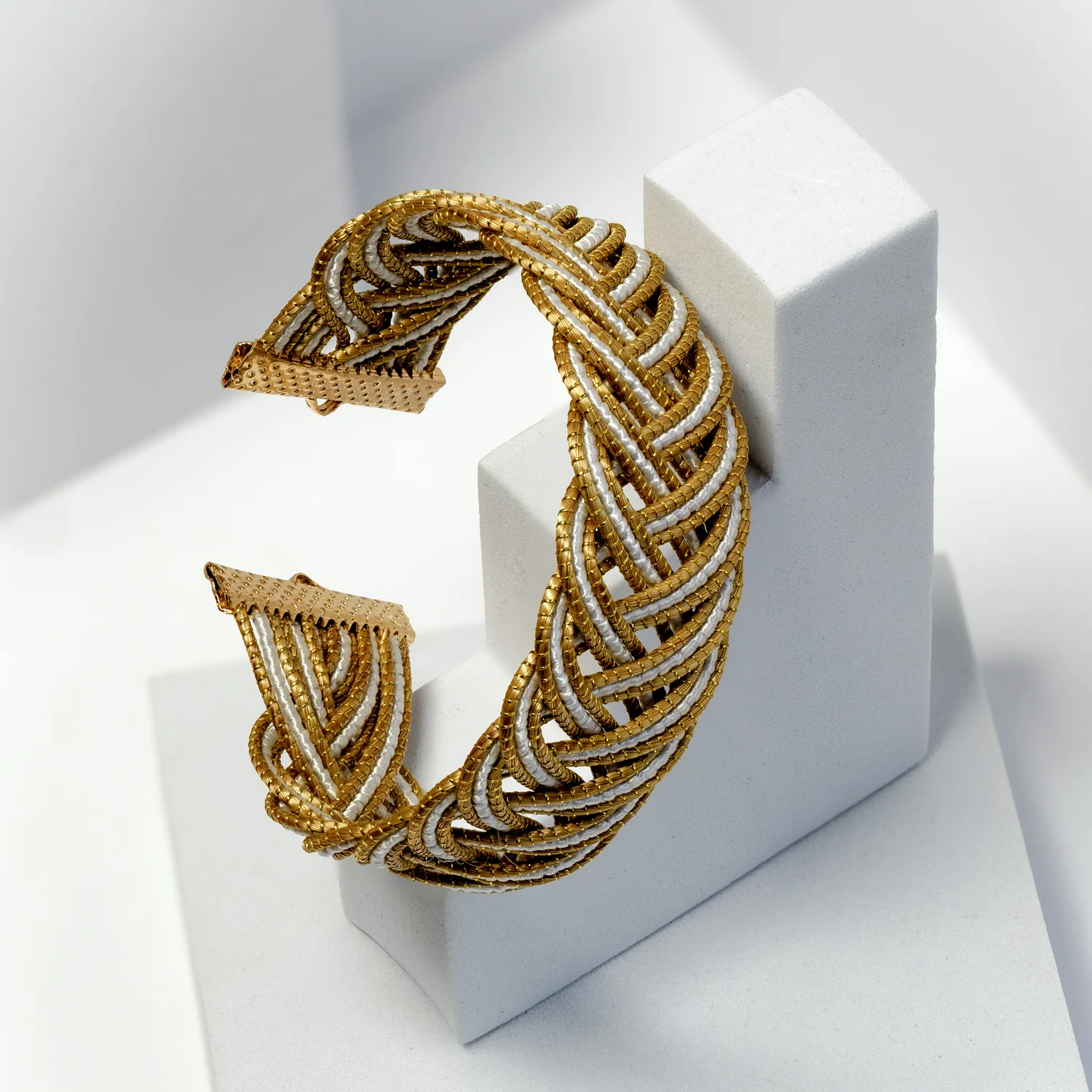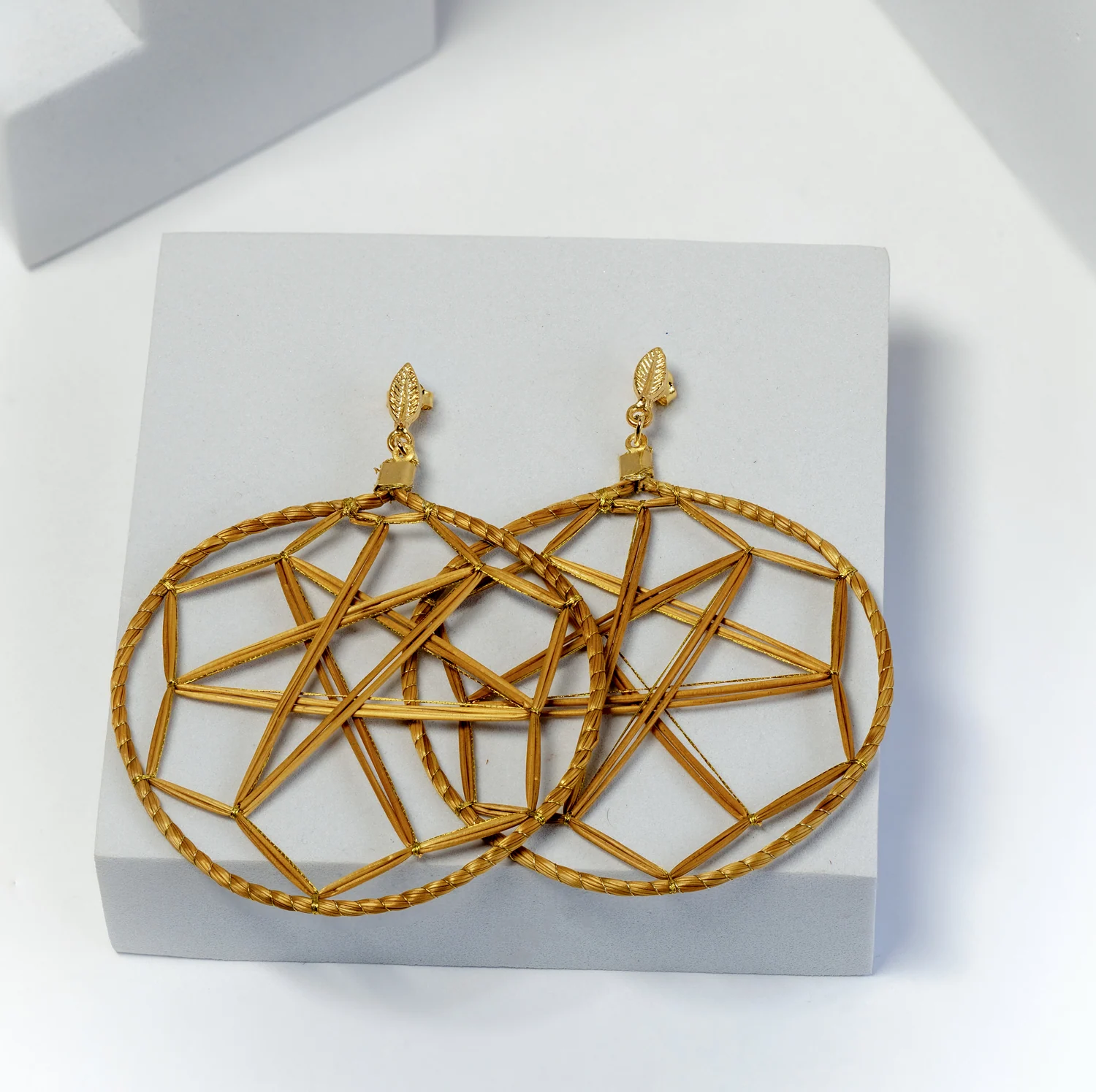

A product can arrive with an evocative account of a landscape, a craft tradition and a maker’s life. The retailer’s task is to determine which parts describe the item on the buying sheet. A beautiful regional story does not automatically identify the origin of every object made with a material associated with that region.
Good provenance work is practical. It makes the information easier to maintain, gives customers clearer answers and prevents future orders from inheriting a story that no longer applies. It also leaves room for a maker to be represented through information they have actually chosen to share.
At a glance
- Connect origin claims to the product being sold.
- Label wider cultural background as context.
- Obtain clear permission for maker stories and images.
In this guide
- Draw three boundaries in the story
- Ask for a usable chain of attribution
- A simple claim ledger
- Do not fill gaps with familiar craft narratives
- Make permission part of the information
- Leave a path for correction
Draw three boundaries in the story
Separate product evidence, supplier information and wider cultural background. Product evidence concerns the reference itself: who made it, where it was made and which materials were used, to the extent these facts are documented. Supplier information concerns the organisation selling it. Cultural background explains a technique or material beyond this specific transaction.
The CBI guide for European home decoration trade treats makers and value-chain transparency as potential elements of a product’s market identity. That supports asking for a clear origin account; it does not verify the account of any individual seller.
Keep the boundaries visible in your own notes. If a museum describes a tradition in one community, record it as contextual reading. Do not turn that source into an assertion that your selected product was made by that community.
Ask for a usable chain of attribution
Start with the product code and work backwards only as far as the supplier can substantiate. A maker may be identified individually, through a workshop or through a collective. Ask which attribution is accurate and preferred. More personal detail is not automatically better information, especially when it is irrelevant to understanding the work.
For each factual statement, retain the source, date and scope. A statement applying to one collection should not silently extend to all products. Where details are supplied verbally, ask for a written confirmation that can be checked during later buying rounds.
A simple claim ledger
| Proposed statement | Evidence needed | Editorial treatment |
|---|---|---|
| Made by a named workshop | Confirmation tied to the reference | Attribute only the relevant products |
| A material has a regional craft history | A reliable contextual source | Present it as background |
| A maker follows a particular process | Approved first-hand documentation | Explain the observed or confirmed steps |
| A purchase supports a specific outcome | Evidence of that actual arrangement | Omit until the mechanism is established |
Do not fill gaps with familiar craft narratives
Descriptions of family traditions, inherited skills or community benefits may sound plausible. They still need evidence. If the supplier has confirmed only the workshop location and material, those facts can support an interesting introduction on their own. Describe the form, the construction and the decisions visible in the object without inventing a biography around it.
The same applies to environmental language. A plant-based material is not proof of a particular harvesting practice, certification or measurable environmental result. Ask what the supplier is claiming and what demonstrates it. If the answer is incomplete, keep the story at the level the information supports.
Make permission part of the information
A maker’s photograph, name or personal account should arrive with a clear understanding of how the retailer may use it. Ask about the intended wording, credit and channels. Keep the permission with the asset so it is not lost when staff change or a campaign is reused.
Consider a hypothetical workshop profile approved for an article about one collection. If a later collection comes from a different workshop, the earlier profile should remain attached to its original subject. Reusing it as a general decorative story would blur the attribution, even if the material looks similar.
Leave a path for correction
Before a reorder, check whether the maker, workshop or material source has changed. A useful provenance record can be updated without rewriting everything. Keep stable background separate from reference-specific details, and identify which statements need fresh confirmation.
Explore Toodobem’s artisan information as a starting point for questions about the work. Then connect any story you choose to tell with the actual products selected. The result can be rich and engaging without becoming elaborate: a clear account of an object, the people accurately credited for it and the facts that make its construction worth noticing.