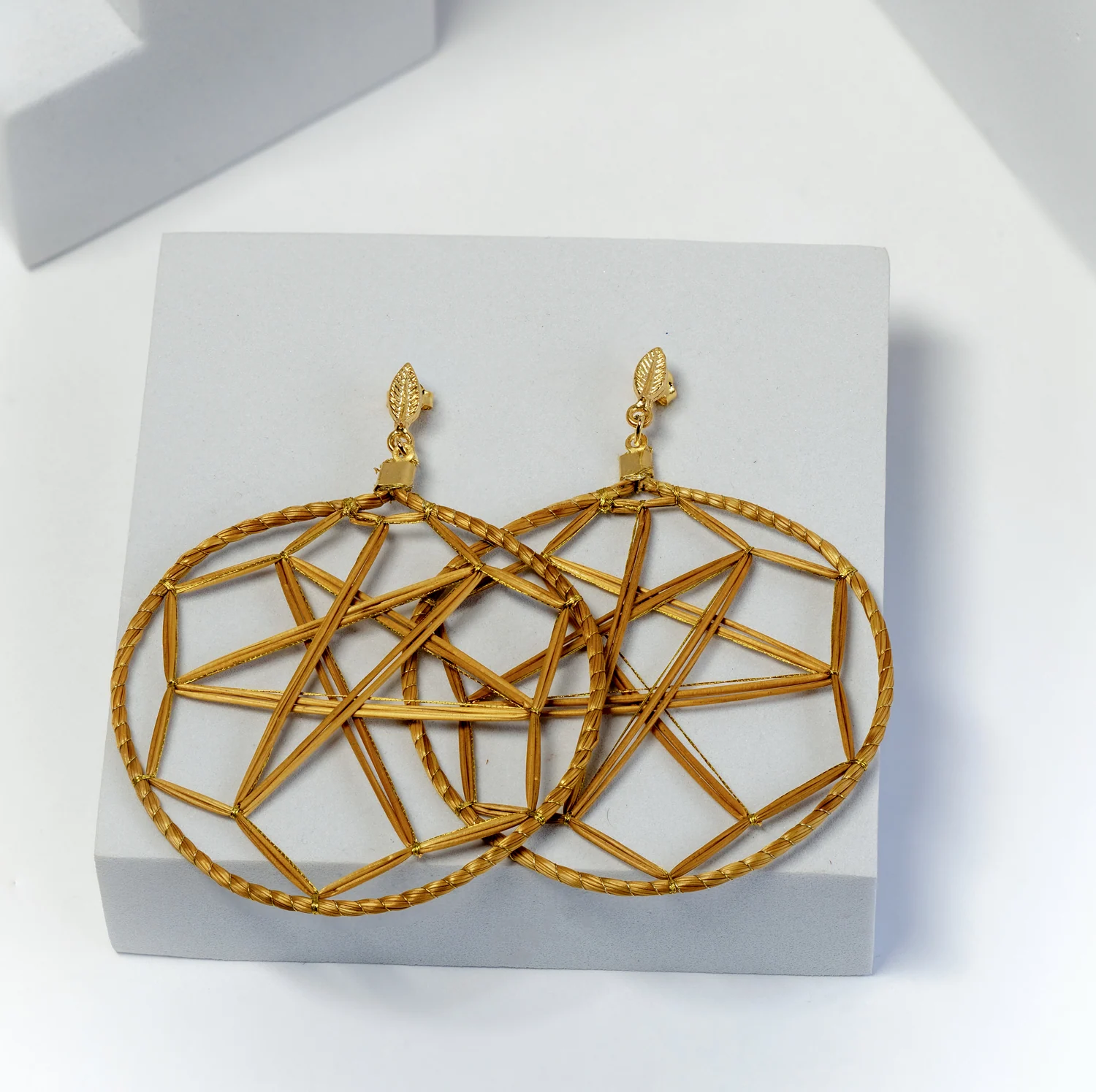
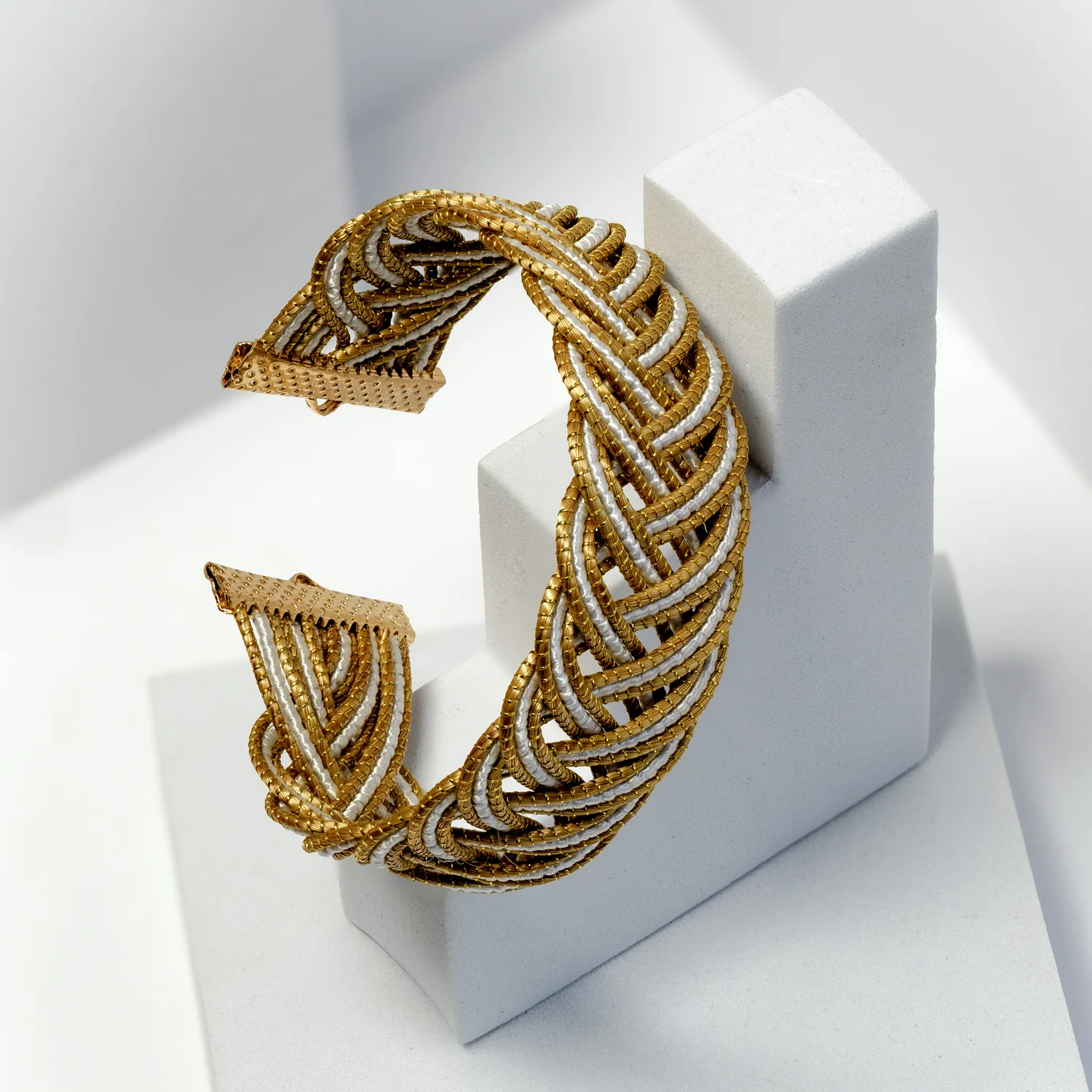
A slightly different curve can make a handmade piece appealing. A fastening that does not close makes it unsuitable for its intended role. Between those obvious cases lies the difficult part of craft buying: differences that may be acceptable in one product and material in another. The answer should come from the product’s purpose and the agreed specification, rather than a general preference for perfect uniformity or visible irregularity.
At a glance
- Define acceptable variation before the order.
- Judge function separately from visual character.
- Use comparable evidence to resolve uncertain cases.
In this guide
- Separate four questions
- Describe variation while the sample is in front of you
- Use a decision table, not a universal defect list
- Work through a hypothetical pair
- Preserve the evidence and the relationship
- Buy with a standard you can explain
Separate four questions
First, ask whether the piece performs its stated function. Second, check whether it matches the agreed dimensions or tolerances. Third, consider whether it retains the design’s recognisable character. Finally, assess whether its visible condition is suitable for offering to a customer at the planned price position. A product may pass some of these checks and fail another.
This separation prevents an attractive surface from distracting you from a practical problem. It also prevents a harmless colour difference from being treated like a broken component. Record the reason for your judgement, because “looks wrong” gives neither the supplier nor the next buyer much to work with.
Describe variation while the sample is in front of you
Agree which features can move and which must stay controlled. A softly rounded outline may allow small differences without changing the design. A pair of earrings may still need to appear balanced when worn together. A lid or fitted component has a relationship to another part, so dimensional variation needs to preserve that relationship.
Ask to see a representative range rather than only the most polished sample. If colour matching matters, discuss it explicitly. “Natural variation accepted” is too broad when a customer expects a coordinated set. Conversely, a carefully chosen range of tones may be part of the intended offer if pieces are sold individually and presented as distinct options.
Use a decision table, not a universal defect list
| Observation | Question | Likely next step |
|---|---|---|
| Small difference in curve | Does it remain within the agreed design? | Compare with the accepted range |
| Uneven pair | Was a coordinated appearance specified? | Assess the pair together |
| Loose fastening | Can it perform its intended role? | Hold the piece for clarification |
| Different shade | Is this a permitted variation or a changed finish? | Check the reference-level specification |
| Projecting fibre | Is it an intended detail or a changed condition? | Ask before trimming or repairing |
The table deliberately uses questions. An apparent irregularity can have more than one explanation, and a remote buyer may not have enough information to distinguish them. A clear next step is more useful than a confident diagnosis based on a single photograph.
Work through a hypothetical pair
Imagine an order specifies a circular earring design with a representative sample approved by the buyer. Two delivered pairs have gently different outlines, while a third has one visibly elongated component. The first question is whether a shape tolerance or matching expectation was agreed. If it was, assess all three against that agreement rather than against the most symmetrical pair.
If no range was documented, explain the practical concern: the third pair no longer presents as the intended circular design when viewed together. Ask the supplier to confirm whether it represents normal production. Use the answer to resolve this case and improve the next specification. Do not retroactively invent a precision standard the supplier never accepted.
Preserve the evidence and the relationship
Keep the item unchanged while a question is open. Identify the reference, describe the observation and show the feature alongside a suitable scale or comparison where relevant. Avoid dramatic language about the entire collection when the evidence concerns one piece. The aim is a resolution that both parties can understand and apply consistently.
Agree what happens to uncertain items through the current commercial terms. Do not assume replacement, repair, credit or a return is available without confirmation. An editorial quality guide cannot substitute for the actual agreement between buyer and supplier.
Buy with a standard you can explain
When reviewing the Toodobem collections, note the features that make each design appealing and the functions it must reliably perform. Clarify the expected variation through Toodobem contact before the order if it affects your choice.
A fair standard gives handmade work room to retain its character while keeping practical expectations clear. It allows a buyer to say why a difference is welcome, why another needs investigation, and what information would settle the question.