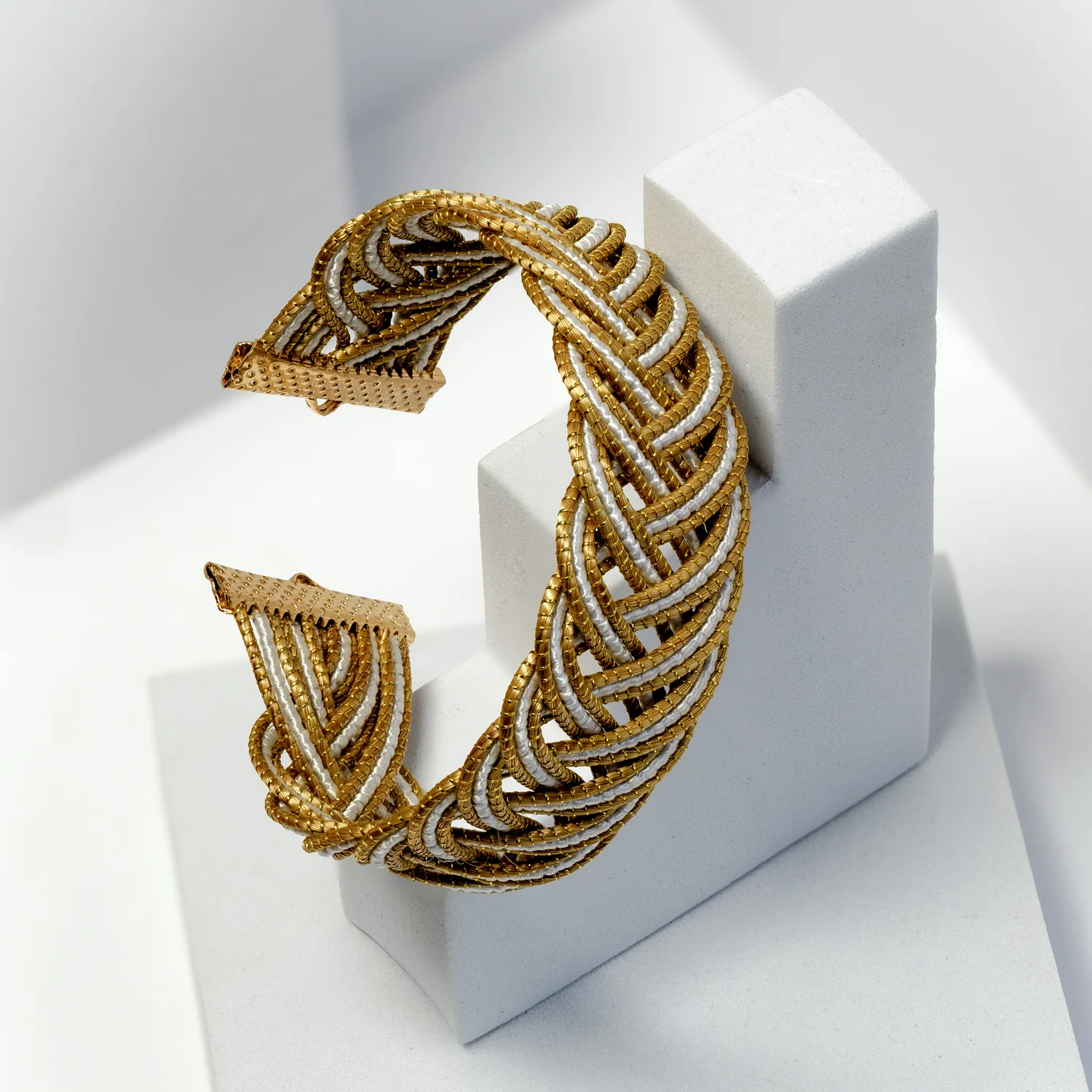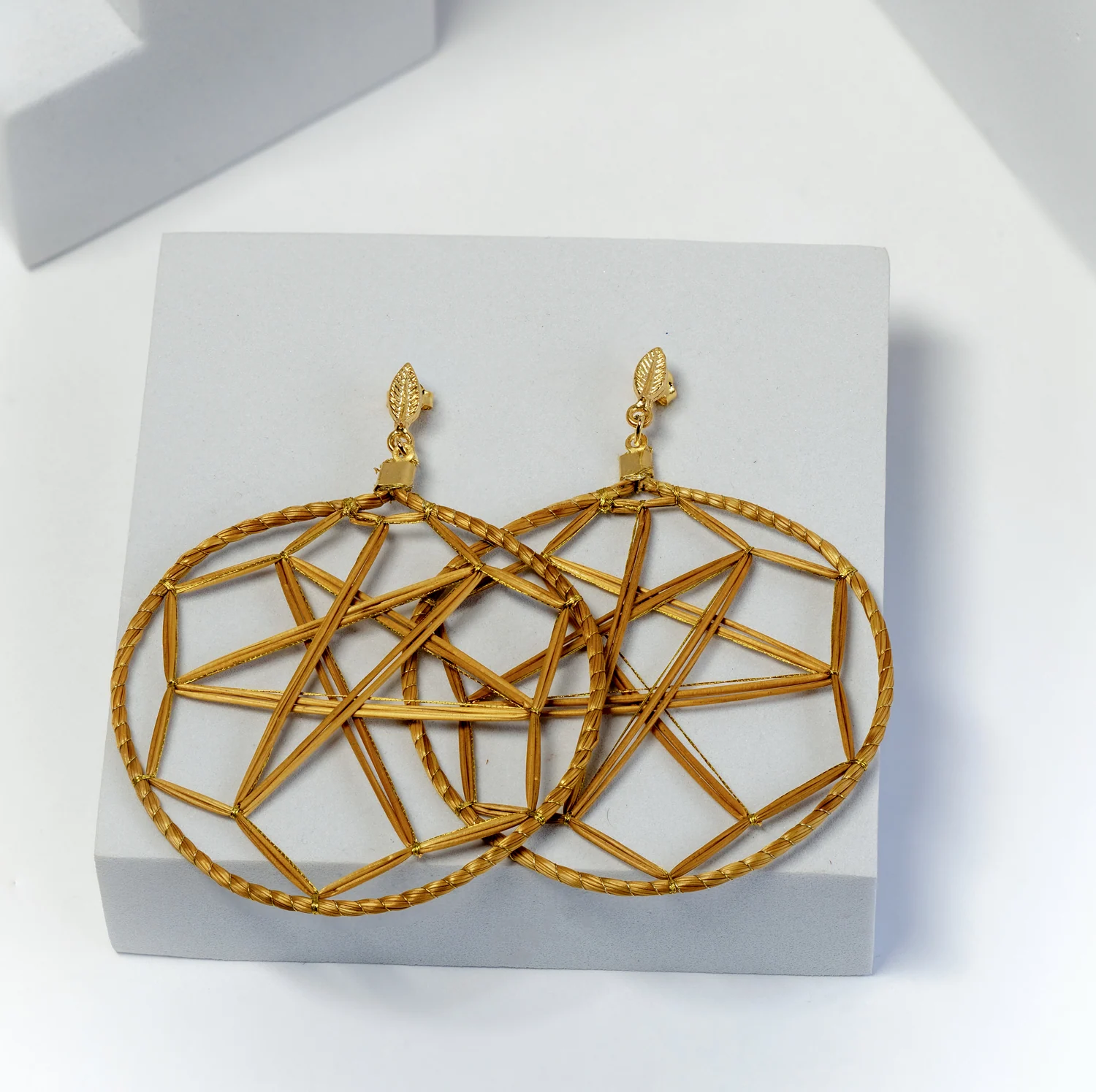
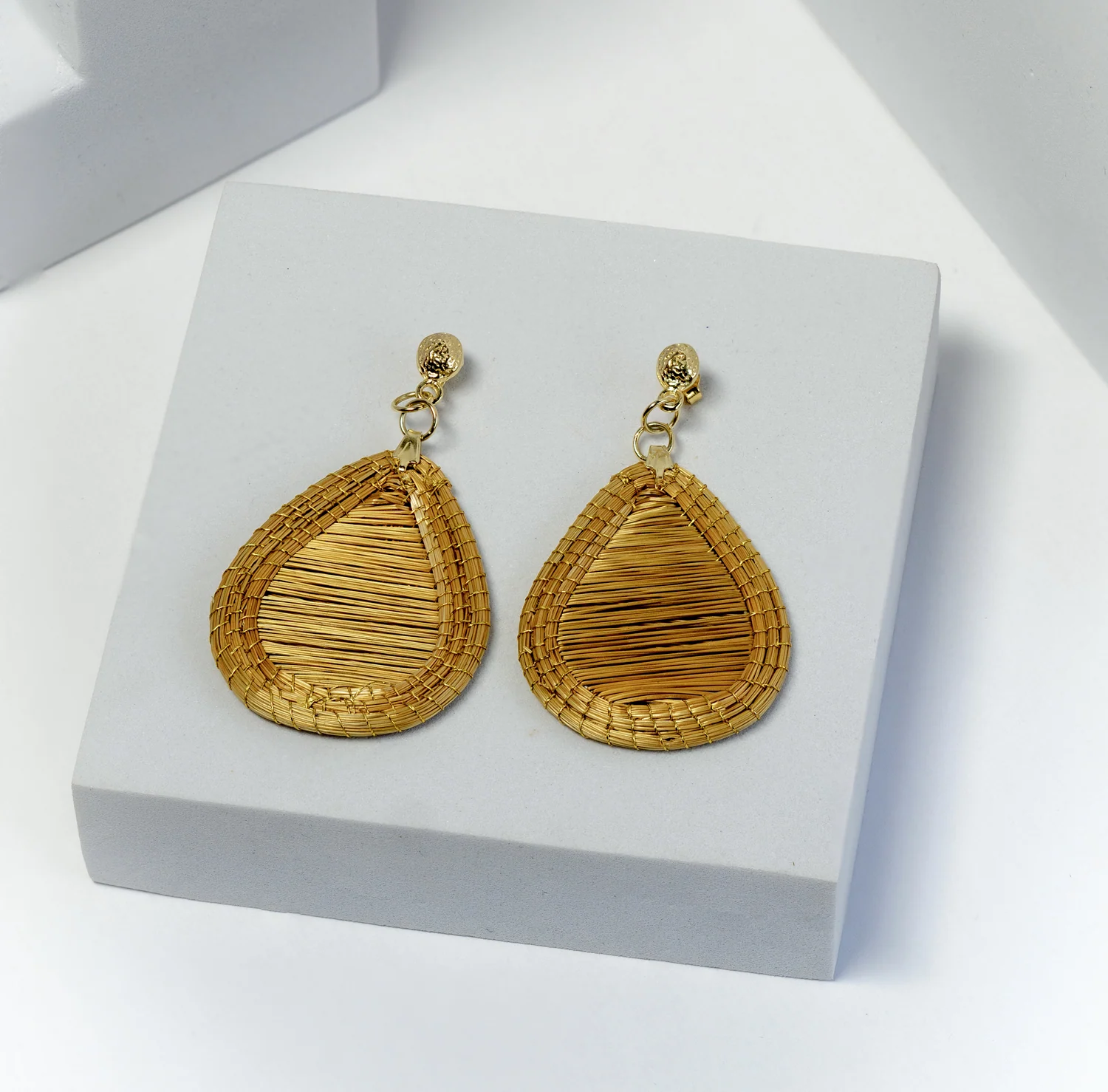
“Woven” is often used as a convenient description for an interlaced surface. In a buying conversation, more precise terms can reveal meaningful differences. They help you discuss how a shape is built, what holds it together and which detail you want to preserve in a repeat order. They do not, by themselves, establish the material or the maker’s cultural identity.
At a glance
- Technique names describe construction, not the entire material list.
- Use visible structure to guide questions rather than guess provenance.
- Ask which parts are structural and which are decorative.
In this guide
- Three construction terms to recognise
- Coiling: follow the shape and its connections
- Twining: look at how the elements engage
- Plaiting: distinguish pattern from material
- Other useful words, and their limits
- Use vocabulary without overclaiming expertise
Three construction terms to recognise
The Canadian Conservation Institute’s basketry guide distinguishes coiling, twining and plaiting. In coiling, a shaped foundation is secured with stitches. Twining uses active elements that intertwine around structural elements. In plaiting, the interworked elements are active rather than divided into fixed warp and moving weft.
These are introductory distinctions, not instructions for identifying every variation from a photograph. A maker may combine techniques or use a local term that needs explanation. If the exact method matters to the product’s identity, ask the supplier to confirm it for that reference.
Coiling: follow the shape and its connections
When a piece is described as coiled, look for the path of the foundation and the way neighbouring sections are held together. Ask whether a visible line is part of the structural stitching, a decorative addition or both. This can help you describe what gives the surface its rhythm without making assumptions about the fibre used.
A useful buying question is: “Which elements must remain consistent for this design to keep its intended outline?” The answer may concern the spacing, proportions or position of a join. Record the important feature in plain language alongside the technique name, so another buyer can understand it without specialist training.
Twining: look at how the elements engage
For a product described as twined, ask the supplier to show a close view of the construction and identify the materials in the different roles. Similar colours can make distinct components difficult to see. A clear explanation is more useful than guessing which strand is doing which job.
Then connect the technique to the finished product. Is the construction intended to hold a rigid shape, form a flexible panel or create a decorative surface? The name does not answer that question alone. The actual dimensions, materials and assembly determine what the buyer needs to assess.
Plaiting: distinguish pattern from material
A plaited surface may present a repeated visual pattern that attracts a buyer’s attention. Describe that pattern separately from the stated plant material. If the collection’s appeal depends on a particular scale of interlacing, make that visible in the sample discussion rather than relying on the word “plaited” to communicate every detail.
For a hypothetical coordinated group, a buyer might want several forms to share a similar visual density. The supplier can then explain whether that relationship is achievable across the selected shapes. The question concerns the intended result, while the technique term makes the discussion more precise.
Other useful words, and their limits
| Term | Useful buying question | What not to assume |
|---|---|---|
| Binding | What is being secured, and with which material? | That the binding matches the main body material |
| Stitching | Is it structural, decorative or both? | That visible thread identifies the entire construction |
| Wrapping | What lies beneath the wrapped surface? | That the visible exterior is the only component |
| Weaving | Which more specific method is intended here? | That one broad term describes every interworked object |
| Finish | Does this mean edge completion or a surface treatment? | That the word has only one meaning |
Use vocabulary without overclaiming expertise
A retailer can explain a confirmed technique in an accessible sentence without presenting a full craft history. Avoid assigning a community, region or tradition to an object based on the pattern alone. Attribution needs its own evidence, even when a technique is strongly associated with a place in background reading.
Keep the maker’s preferred terminology where it is documented, and add a clear English explanation when necessary. If two sources use different words, ask which one the supplier intends. Resolving that small ambiguity during buying is easier than carrying it into every future description.
When browsing Toodobem collections, use this vocabulary to sharpen a few questions about shortlisted objects. The best glossary is the one that helps you understand the work in front of you: what forms the shape, what connects its parts and which details make the design worth selecting.